Luxury Houses Embrace Quiet Elegance as Maximalism Fades in 2026
Luxury's logo era is ending. Major houses are pivoting hard toward quiet elegance as maximalism loses its commercial grip in 2026.
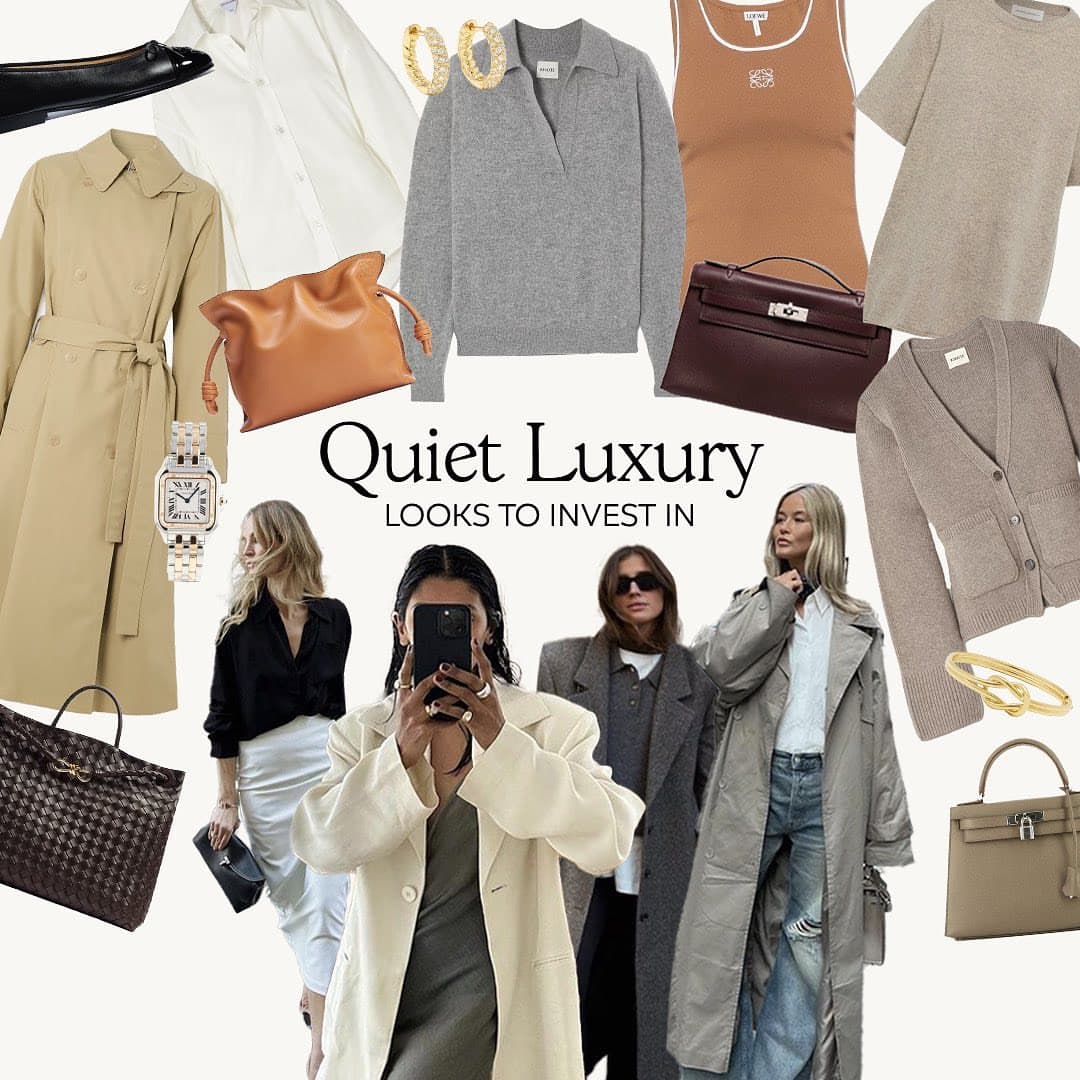
An old-money sensibility is less a trend than a correction. After years of logomania, neon excess, and runway stunts designed for Instagram grids rather than actual wardrobes, the industry's biggest houses are recalibrating in real time, and the shift is more structural than seasonal.
The Business of Fashion laid out the stakes clearly in a March 2026 analysis by Robert Williams: luxury houses are in a pivotal creative moment, chasing both commercial returns and cultural legitimacy after a prolonged run of maximalist expression that has visibly exhausted the market. The argument isn't that loud fashion is dead, it's that the houses betting their next chapter on restraint are the ones reading the room correctly.
This isn't the first time the pendulum has swung. But the 2026 version of quiet luxury arrives with more financial pressure behind it. The post-pandemic spending surge that propped up logo-heavy drops and spectacle-first collections has cooled considerably. Aspirational consumers who stretched to buy into the logomania moment have pulled back. What's left is a core customer who actually wants to wear the clothes, and that customer increasingly wants a cashmere coat with clean lines over a jacket covered in house insignia.
What makes this moment different from the "stealth wealth" conversation that dominated 2023 style discourse is the institutional weight behind it. When major houses shift creative direction, they don't do it quietly in press releases. They do it in the cut of a trouser, the absence of visible branding on a leather good, the choice to let material quality carry a campaign instead of a celebrity activation. The restraint itself becomes the message.

The practical implications for how people actually shop are significant. Pieces built around fit, fabric, and longevity start making financial sense when resale values for logo-heavy items soften and the cultural cachet of owning something understated rises. A well-constructed blazer in a neutral wool, a white poplin shirt cut precisely, a leather belt with a minimal buckle: these are the building blocks of the wardrobe that the industry's creative pivot is quietly pointing toward.
The houses that navigate this transition most credibly will be the ones that can demonstrate genuine craft history rather than simply stripping logos off their existing product lines and calling it restraint. Luxury without branding is just expensive. Luxury with craft, heritage, and intention is something the market has historically been willing to pay a significant premium for, and in 2026, that premium is being recalibrated on both sides of the transaction.
This article was produced by Prism’s automated news system from verified source data, official records, and press releases, then run through automated quality and moderation checks before publishing. The system is built and supervised by the people who set the standards it runs under. Read our full AI policy.
Did this article answer your question?