LVMH sells Marc Jacobs as it sharpens focus on heritage brands
LVMH is cashing out of Marc Jacobs, signaling that old-money luxury now favors a tighter circle of proven heritage houses.
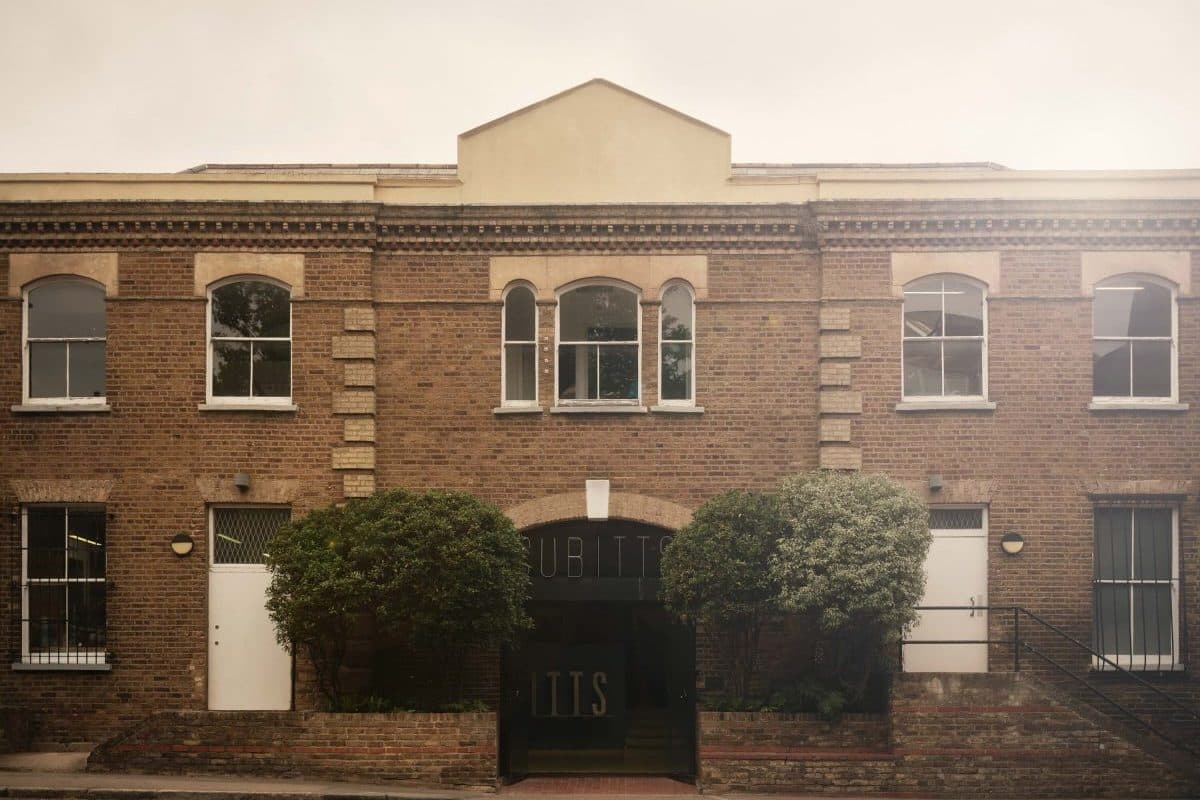
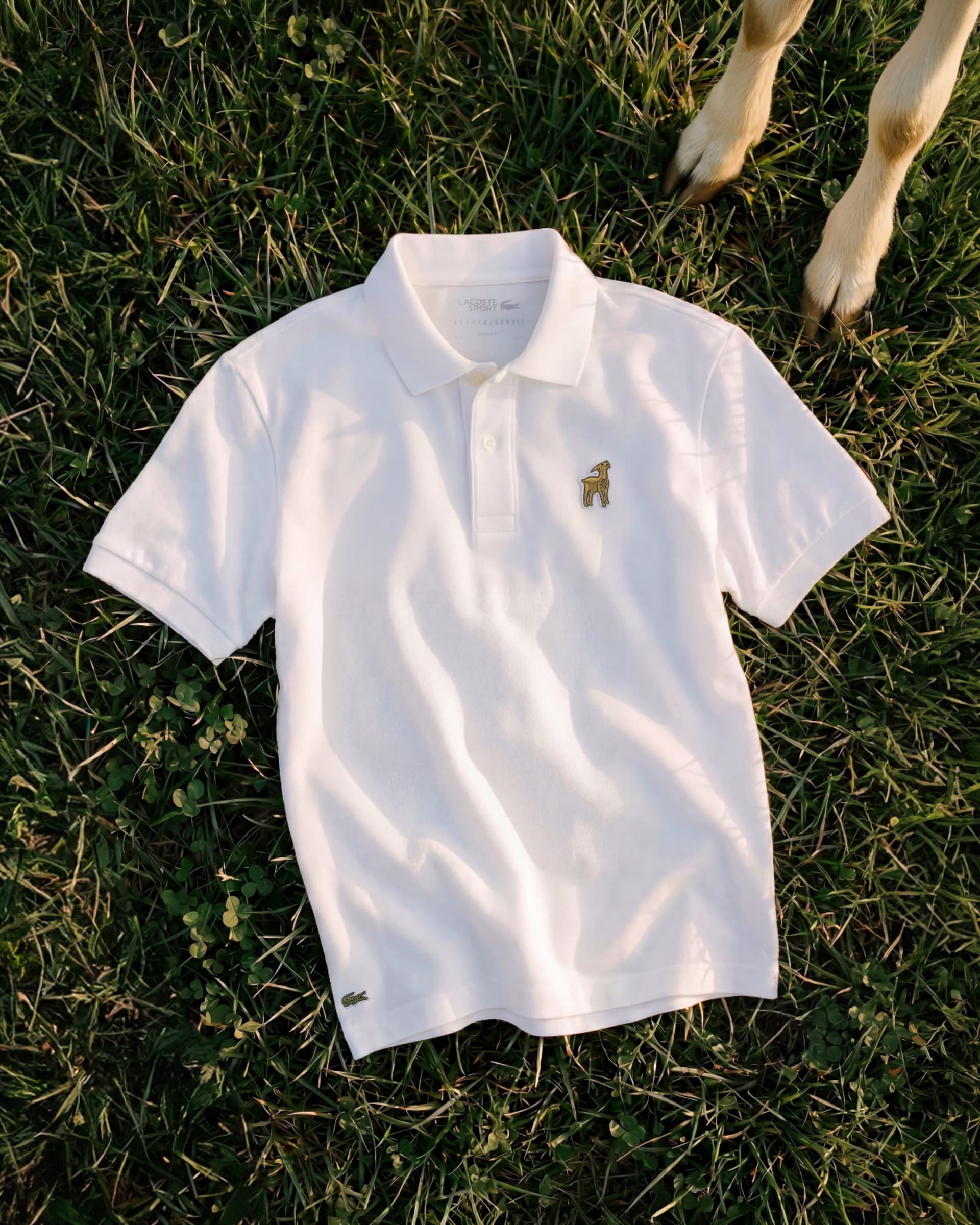
LVMH has agreed to sell Marc Jacobs for about $850 million, a clean signal that the luxury giant is no longer treating scale as a strategy in itself. The deal, announced on May 14, puts the label into a joint venture between WHP Global and G-III Apparel Group, with G-III saying it will invest up to $425 million in the 50-50 structure.
For a house that once helped define Louis Vuitton’s modern swagger, the sale reads like portfolio discipline, not retreat. LVMH has held an 80 percent stake in Marc Jacobs since the late 1990s, when Marc Jacobs was creative director at Louis Vuitton, and the brand became part of the runway-to-revenue transformation that turned Louis Vuitton into a global fashion powerhouse. Even so, the group now appears intent on keeping only the brands that carry the most authority, the clearest identity and the deepest profit.

That focus is hard to miss. LVMH controls more than 70 brands across fashion, jewellery, spirits and cosmetics, yet calculations based on Visible Alpha data show that a small core of names generates about 75 percent of sales and nearly 90 percent of operating income. Louis Vuitton, Dior, Sephora, the perfume business, Tiffany and Bulgari do the heavy lifting. In old-money terms, the message is blunt: the heirlooms matter more than the inventory.
The Marc Jacobs sale also follows a series of quieter trims, including Off-White, a minority stake in Stella McCartney and travel retail operations in Greater China. Another possible divestment is still on the table, with LVMH weighing a sale of Rihanna’s Fenty Beauty stake. At the same time, the company has dealt with two years of declining revenue, and its shares have lagged peers for more than two years, giving added urgency to a sharper, leaner strategy.
For smaller labels inside the group, the implications are immediate. The move raises questions about Kenzo and Pucci, two names with heritage and style cachet but less obvious scale in a market where demand has weakened. In this environment, conglomerates are treating identity as an asset and sprawl as a liability.
Under the new ownership, Marc Jacobs will remain Founder and Creative Director. WHP Global said the label will sit inside its premium fashion vertical alongside Vera Wang, rag & bone and G-STAR, and that the acquisition would push its global retail sales above $9.5 billion. Bernard Arnault thanked Marc Jacobs for his contribution to LVMH and expressed confidence the brand would find new opportunities under its new owners. The subtext is clear: in the next phase of luxury consolidation, the strongest legacy names are the ones that still look inevitable.
This article was produced by Prism’s automated news system from verified source data, official records, and press releases, then run through automated quality and moderation checks before publishing. The system is built and supervised by the people who set the standards it runs under. Read our full AI policy.
Did this article answer your question?