Marco Falcioni Steers Boss Toward Polished Tailoring with Archival Nods
Marco Falcioni used Boss’s Feb 25, 2026 collection to pivot the house back to sharp, sellable tailoring, clean lines, archival nods, and a clear push for sartorial polish.
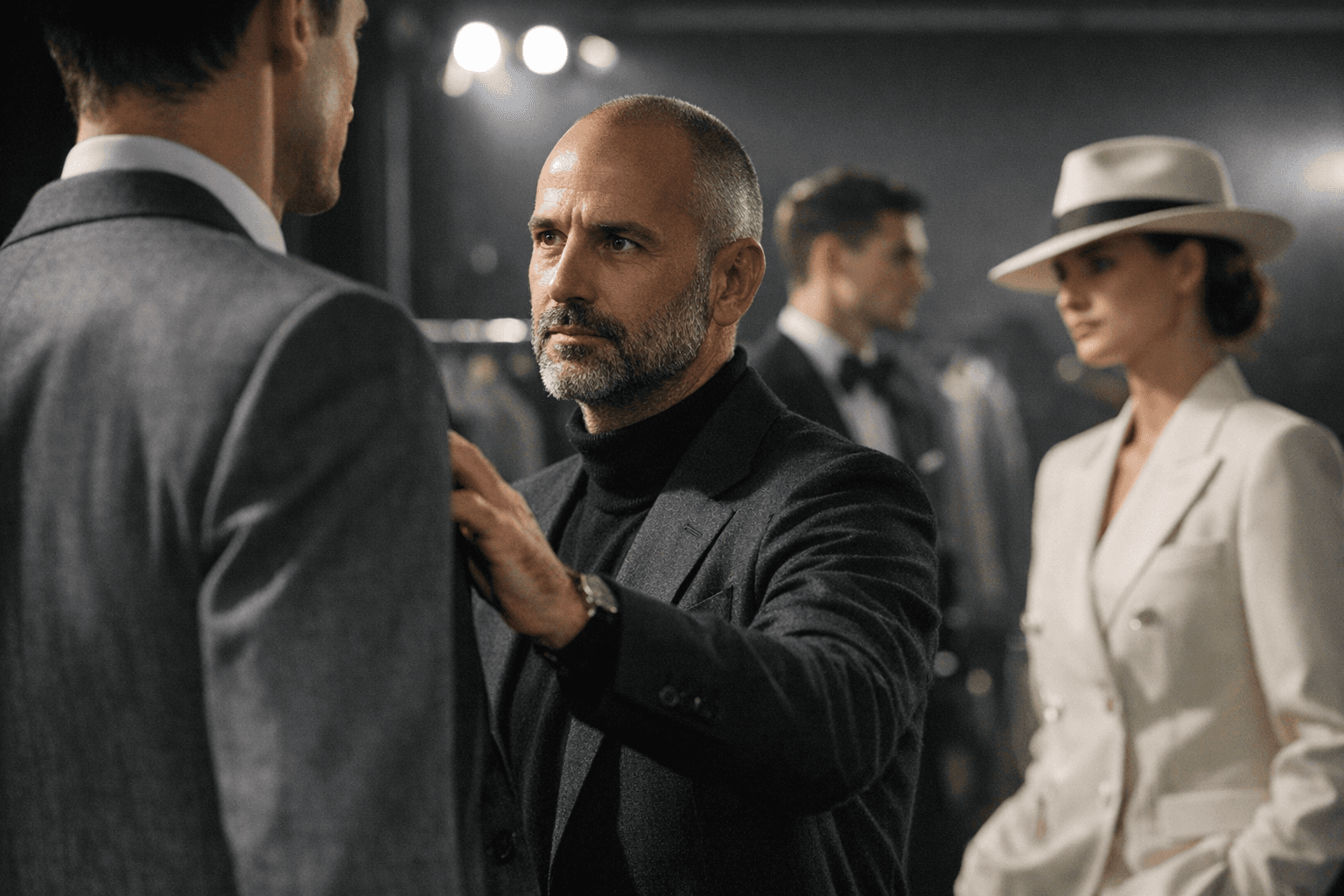
Marco Falcioni reopened Boss’s playbook on Feb 25, 2026, steering the label away from spectacle and toward polished tailoring rooted in archival reference. The collection read less like a seasonal stunt and more like a corrective: elevated basics, measured proportions, and a renewed emphasis on sartorial polish that wants to live in a wardrobe, not just on a runway.
WWD positioned this outing as a commercial, modern recalibration of tailored dressing, and the clothes made that case without needing marketing-speak. Clean lines dominated jackets and trousers, archival references threaded through lapels and cuts, and the overall construct favored restraint over ornament. The result felt intentionally saleable - the kind of tailoring aimed at consistent seasonal replenishment rather than one-off hype.
Falcioni’s direction for Boss was visible in how the collection prioritized function and finish. Instead of maximalist flourishes, there was an insistence on structure that reads as investment-level dressing for everyday life. That framing aligns with the label’s historic DNA while nudging it toward clear marketability in an era where shoppers want pieces that behave like classics but are tuned to modern movement.
Stylistically, the presentation leaned on economy of gesture: clean silhouettes, thoughtful archival callbacks, and construction choices that emphasized longevity. Those are the exact levers a creative director pulls when the brief is to re-center a brand’s tailoring credentials. On Feb 25, 2026, Falcioni signaled he sees Boss as a house where tailored garments should sell through every season, not sit as temporary conversation pieces.
This was also a positioning move. By foregrounding commercial tailoring and archival nods, Falcioni reshaped expectations for Boss’s customer and wholesale partners. The collection pitched clarity to buyers and editors alike: Boss under Falcioni will trade chasing flash for building a reliable tailoring vocabulary that can be stocked and re-ordered.
If this was the opening chapter of Falcioni’s tenure, it read as purposeful and disciplined. The Feb 25 collection reframed Boss’s offering around polished tailoring and archival stewardship, a pragmatic aesthetic that could translate into steady retail performance and a sharper brand identity in the crowded luxury-sportswear crossover.
This article was produced by Prism’s automated news system from verified source data, official records, and press releases, then run through automated quality and moderation checks before publishing. The system is built and supervised by the people who set the standards it runs under. Read our full AI policy.
Did this article answer your question?