Marie Claire packs polished layers for London and Royal Ascot escapes
Marie Claire’s London-to-Ascot capsule shows old-money style turning sharper in 2026, where structure and weather-ready layers matter as much as polish.
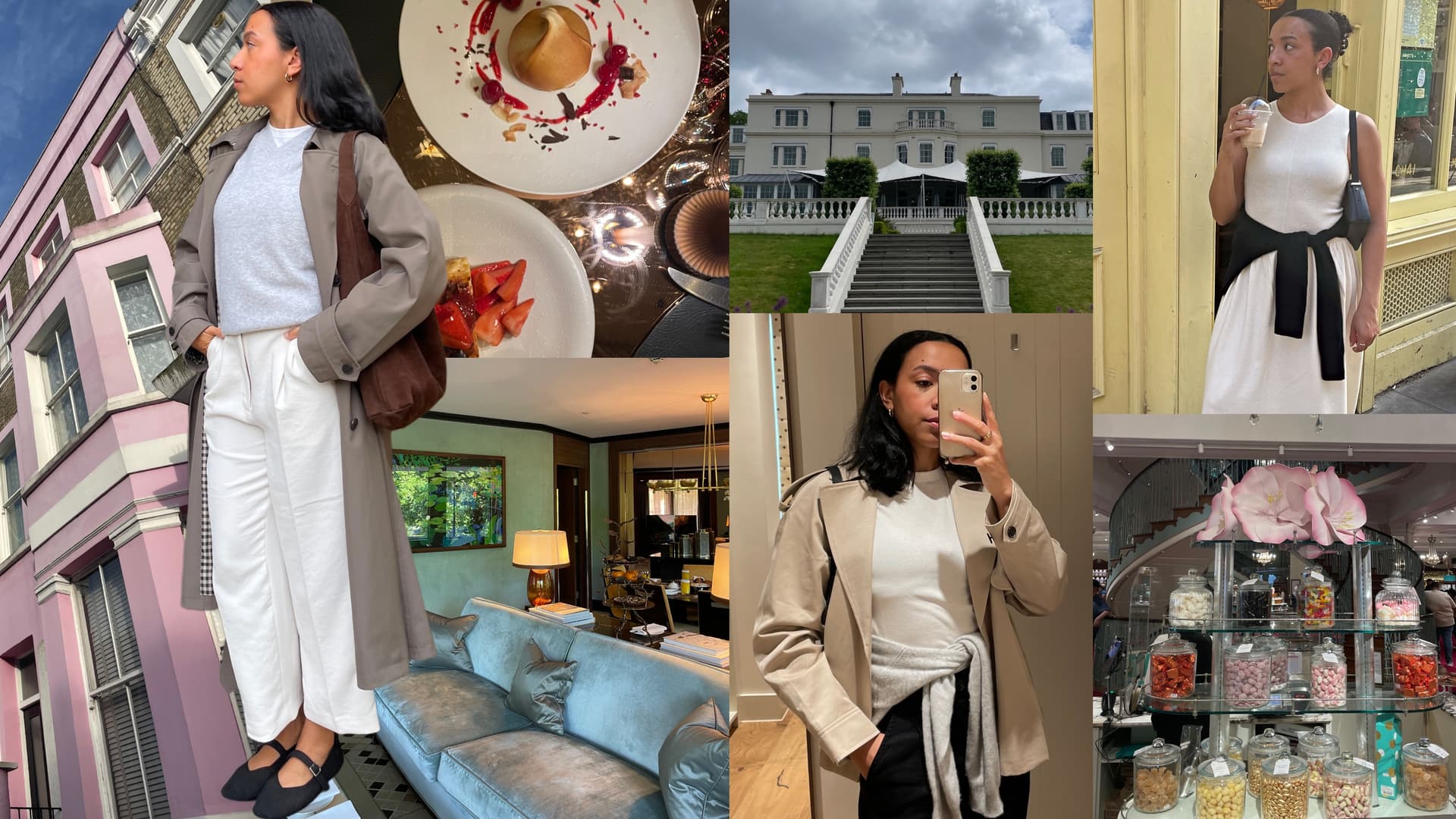
The cleanest old-money wardrobes are rarely the quietest. Marie Claire’s London-and-Ascot getaway makes the case that polish now comes from structure, not just restraint, with trench coats, trousers, straight-leg jeans and relaxed knits doing the hard work of moving from Mayfair to the racecourse without losing poise.
The new old-money code
What feels distinctive here is the shift in emphasis. The capsule is not built around a stack of interchangeable neutrals for their own sake, but around pieces that can survive a day that starts in central London and ends in the country, where weather turns quickly and the dress code turns stricter still. That is the real old-money move now: clothes that look composed in motion, not simply calm on a hanger.
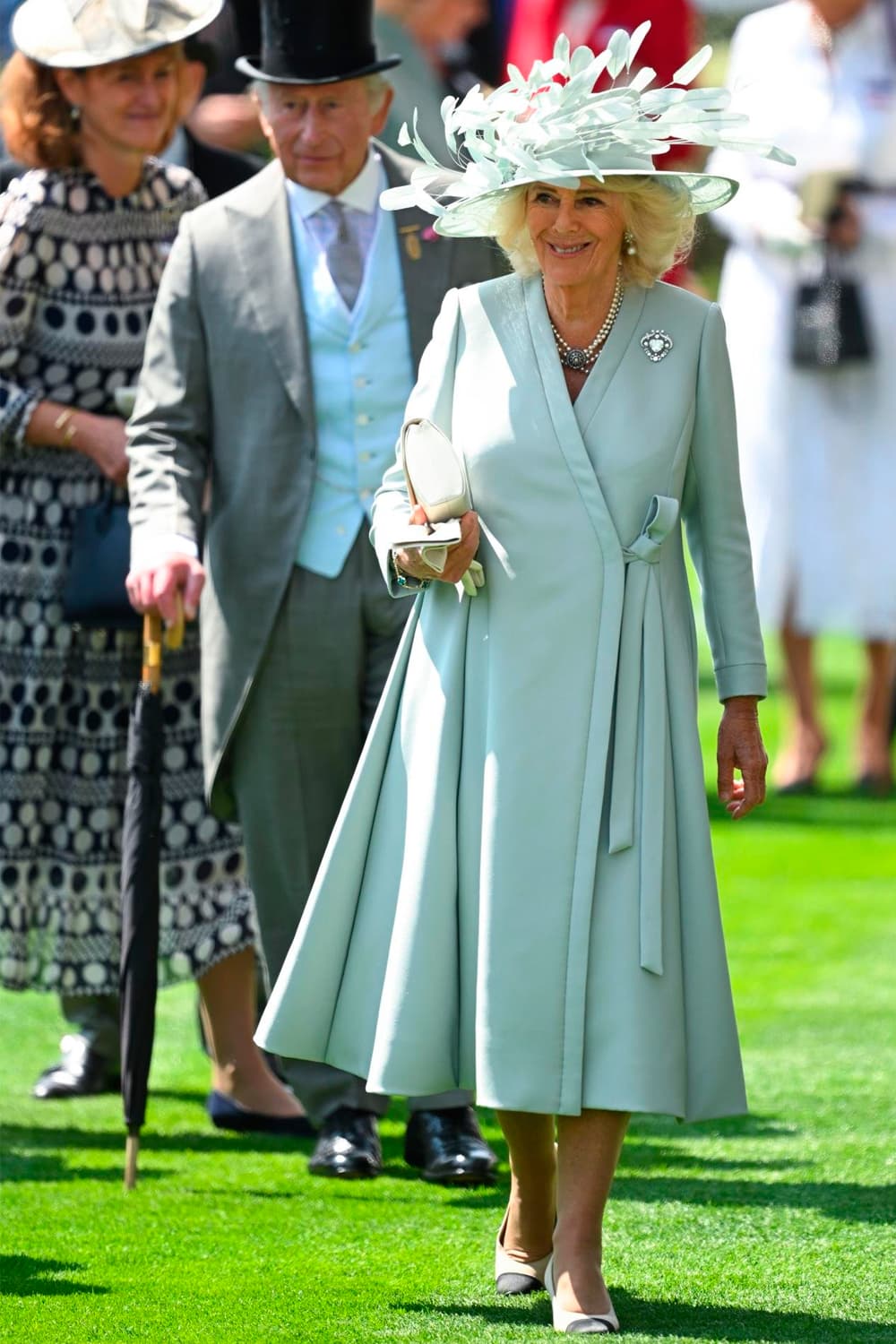
Royal Ascot makes that tension impossible to ignore. The 2026 meeting runs from Tuesday 16 June through Saturday 20 June, and Ascot Racecourse frames it as five days of racing, style and pageantry. It is also a venue with serious history, founded in 1711 by Queen Anne and still governed by enclosure-specific dress codes that give the event its social grammar. At a moment when the racecourse’s own handbook is leaning into bold, race-inspired color, stripes, spots and clashing hues, a polished travel capsule has to do more than stay beige. It has to hold its own.
From Mayfair to the countryside
The route matters as much as the wardrobe. The trip began at 45 Park Lane in Mayfair, a setting that naturally suggests city polish, then moved to Coworth Park in Ascot, where the writer stayed in a cottage and singled out the appeal of farm-to-table meals. That shift from London hotel to countryside retreat is exactly why the packing list feels considered rather than generic: it is designed for a day of appointments, a dinner that might skew formal, and a countryside interlude where the atmosphere is softer but still exacting.
This is also where the writer’s earlier semester abroad in the UK becomes more than anecdote. Anyone who has dressed through British weather understands the logic of layering as survival and style at once. Sunshine can give way to rain in a matter of hours, so the best wardrobe is built in levels: a smart outer layer, a middle layer with enough warmth to stand on its own, and trousers or denim that look deliberate even when the forecast is not.

Why Ascot changes the packing formula
Ascot’s dress rules turn packing into a strategic exercise. Each enclosure has its own dress code, and that is precisely why the capsule’s pieces feel relevant. The Queen Anne Enclosure allows a dress or top and skirt, a matching trouser suit, or a jumpsuit below the knee, while banning strapless, one-shoulder, off-the-shoulder or bardot shapes, sheer fabrics and visible midriffs. Novelty patterns, slogans, promotional messaging, brand logos and cartoon imagery are also not permitted.
That combination matters because it changes what “elegant” means. At Royal Ascot, decoration is not outlawed, but it must be disciplined. The Queen Anne Enclosure is the public enclosure with a formal dress code and a strong fashion focus, which means the smartest looks are the ones that read refined from a distance and rigorous up close. Heritage is still present, but the mood for 2026 is less hush-hush and more expressive, with the handbook’s jockey-silk inspiration encouraging color, stripes and spots instead of defaulting to safe neutrality.
The capsule pieces that do the work
Marie Claire’s shortlist makes sense because every item earns its place in more than one setting. A trench coat bridges London pavement and country air with ease. Trousers can be dressed up for an enclosure or pared back for daytime errands. Straight-leg jeans bring a lower register of formality without slipping into slackness, and relaxed knits carry the softness needed for travel while still looking composed under a coat.
The distinction between merely neutral and properly aristocratic lives in proportion and finish. A trench is only as chic as its crisp line and weather-ready presence. Trousers need enough structure to hold shape, not drape like loungewear. Straight-leg denim should look intentional, not casual by accident. Relaxed knits work best when they skim rather than cling, giving the body ease without sacrificing polish. That is the formula that keeps a London wardrobe from feeling flat and a countryside wardrobe from becoming overthought.
A useful packing blueprint looks like this:
- One structured trench for rain, wind and arrival moments
- One pair of tailored trousers that can pass for lunch, travel or enclosure seating
- One straight-leg jean for daytime off-duty polish
- Two relaxed knits, ideally in tones that layer cleanly under outerwear
- One event-ready outfit that respects the Ascot code, with a length and silhouette that stay within the rules
How to read the 2026 mood
The deeper message is that old-money style is no longer being defined by mutedness alone. Royal Ascot’s own 2026 styling direction points toward bold color and millinery, and that changes the conversation around packing: a strong capsule is not the one with the fewest colors, but the one where every piece can hold its own against a more expressive backdrop. In that context, a disciplined trench or a sharply cut trouser is not boring. It is the anchor that lets a brighter hat, a more graphic ensemble or a formal enclosure look feel intentional rather than theatrical.
Royal Ascot also carries the weight of continuity. The Royal Enclosure traces back to 1807 and was formalized in the mid-19th century, which explains why dress there still feels ceremonial rather than merely dressy. Ascot Racecourse says it hosts 26 annual racedays, but this one remains the most socially coded of them all. That is exactly why the Marie Claire approach lands: it understands that the modern old-money wardrobe has to travel, layer and obey the rules without looking as if it is trying too hard to prove anything.
In the end, the smartest London-and-Ascot packing is not about owning less. It is about owning pieces with enough structure, texture and adaptability to move cleanly from city polish to country-house formality, then stand up to a dress code that still knows how to make fashion feel consequential.
This article was produced by Prism’s automated news system from verified source data, official records, and press releases, then run through automated quality and moderation checks before publishing. The system is built and supervised by the people who set the standards it runs under. Read our full AI policy.
Did this article answer your question?