Marie Claire Spotlights Summer 2026’s Low-Effort Luxury Dressing
Ease is the new status symbol: summer 2026 trades loud logos for sculptural cotton, silk, stripes and suiting that look expensive without trying.
The new code of inherited ease
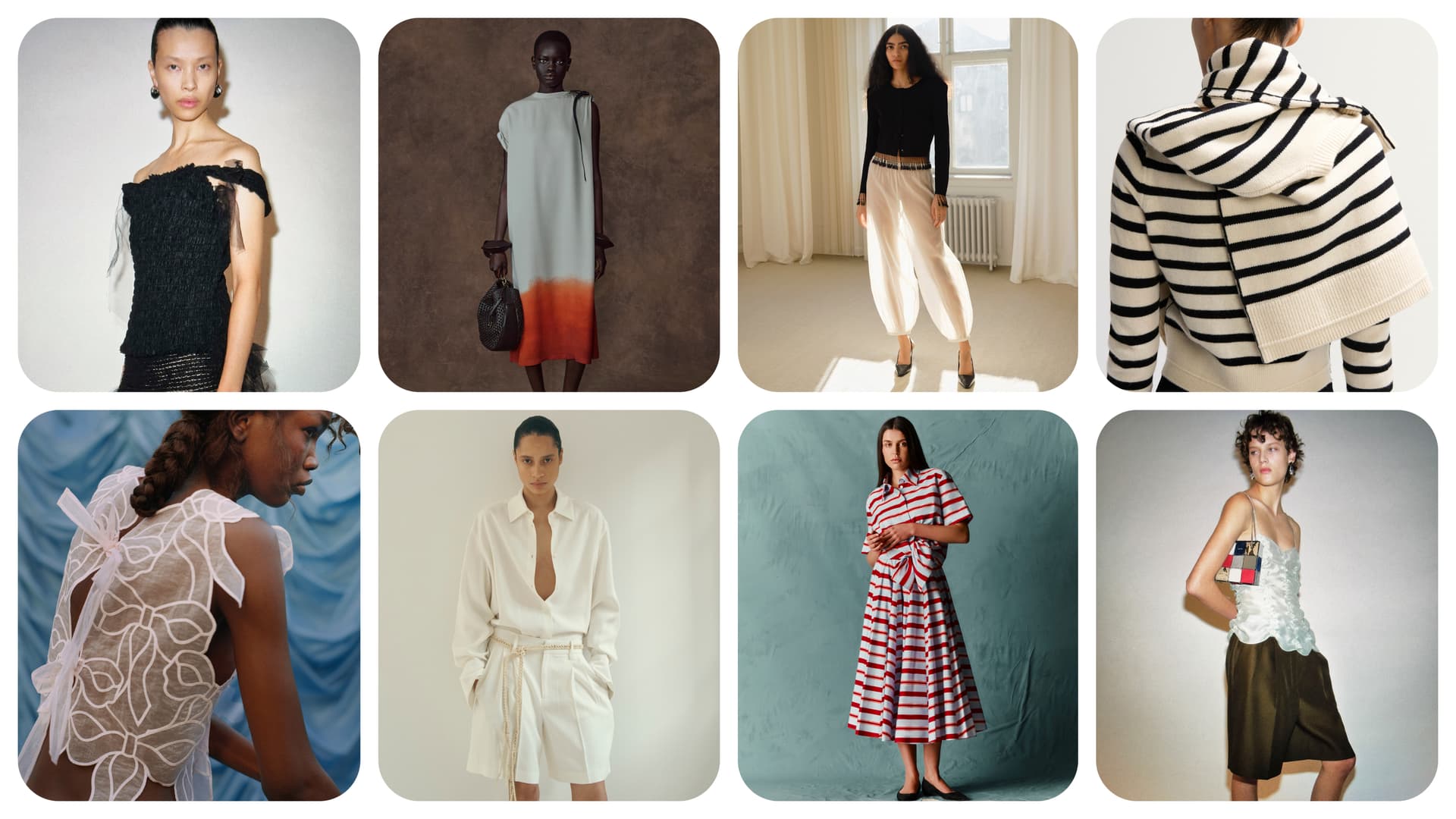
Summer 2026’s most persuasive fashion idea is not maximalism, but calm. Marie Claire calls it “the low-effort statement,” a mood built on ease and impact in equal measure, and that is exactly why this story belongs in the old-money lane. The season’s best pieces do not shout for attention; they suggest ease, money, and a life arranged around good light, warm weather, and a strong wardrobe backbone.
That is the difference between a real closet investment and a disposable trend. The strongest items in this report, trapeze dresses, linen slips, marinière stripes, and summer suiting, work because they look composed even when they barely touch the body. Bermuda shorts and strategic sheers can be useful, but only if they are cut with restraint and worn with discipline.
Why this summer’s “low-effort statement” feels expensive
Marie Claire says the featured summer 2026 trends were pulled from the Pre-Fall 2026 season, which gives the story an immediate sense of continuity rather than novelty. This is not about a sharp seasonal break. It is about refining a familiar language of polish, softness, and understatement until it reads as modern privilege.
That same idea shows up in the magazine’s broader 2026 trend coverage, where the mood turns a little more expressive but stays polished, with oversized suits, gold jewelry, and ’80s-coded looks entering the frame. The message is clear: the luxury conversation is loosening, but not collapsing into casualness. The smartest dressing still relies on tailoring, fabric quality, and a silhouette that looks considered from across a room.
The long-life pieces worth keeping
If you are building a summer closet with staying power, start with trapeze dresses. Marie Claire singles out The Row and Max Mara versions in pure organic cotton and silk, and that fabric pairing matters as much as the shape. A trapeze cut gives air and movement, while cotton and silk keep the line clean, sculptural, and cool against the skin.
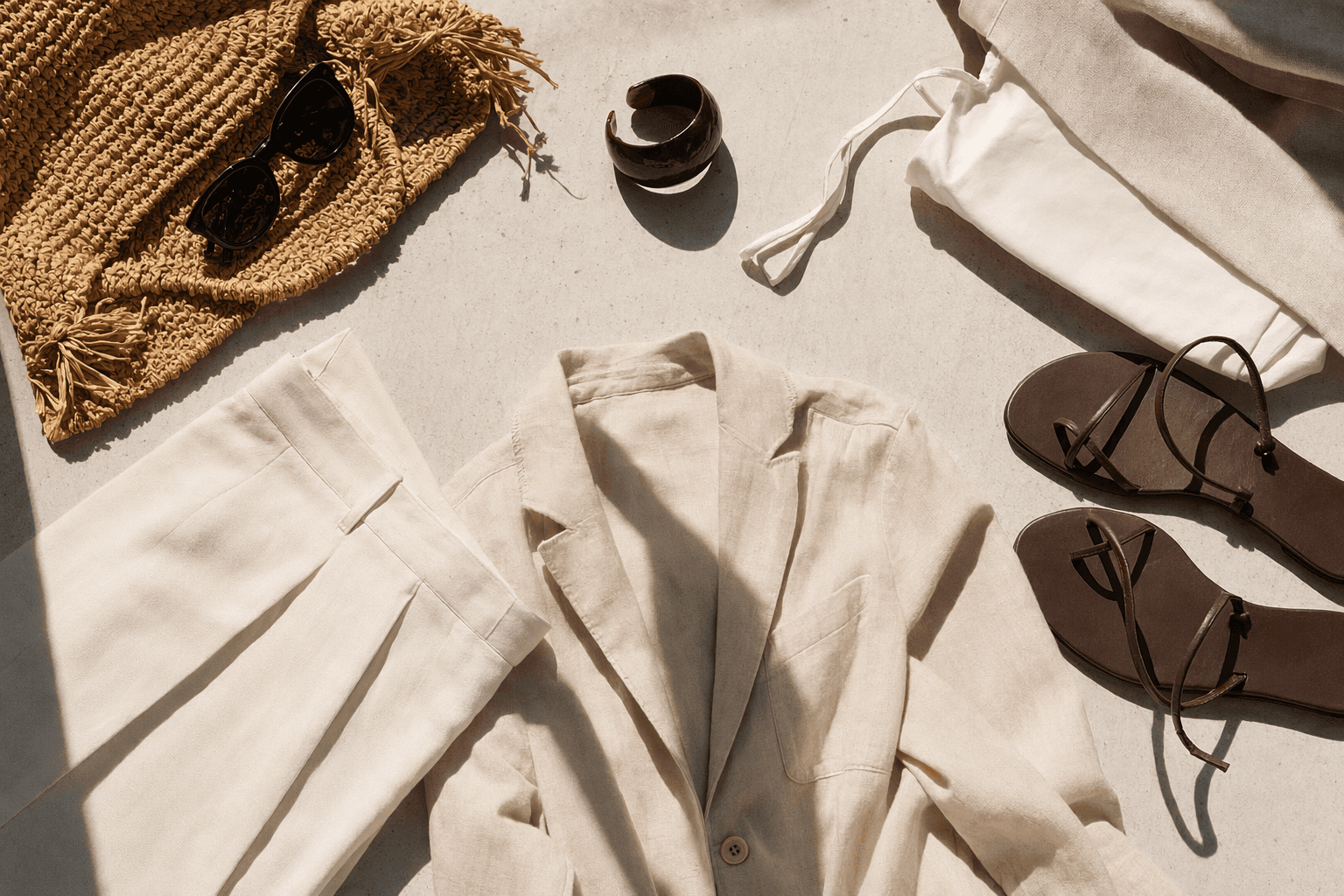
Linen slip dresses belong in the same investment category. They work because they can move from beach to aperitivo hour without losing their shape in spirit, if not always in reality, and they carry the ease that old-money dressing depends on. Look for slips that skim rather than cling, with enough texture in the linen to keep them from reading flimsy or overtly lingerie-adjacent.
Summer suiting is another keeper, especially when it is soft enough to feel effortless but structured enough to look intentional. This is where the old-money code becomes most legible: a jacket or vest with relaxed trousers gives you the authority of tailoring without the stiffness of formalwear. In warm weather, that balance of breathability and polish is the whole point.
What is useful, and what is just passing through
Bermuda shorts sit in a more conditional category. They are easy to wear, but they are also easy to get wrong, especially when the length feels arbitrary or the fabric looks too casual. Keep them if they are sharply cut and paired with a crisp shirt, a blazer, or polished flats; skip them if they read like a compromise between gymwear and tailoring.
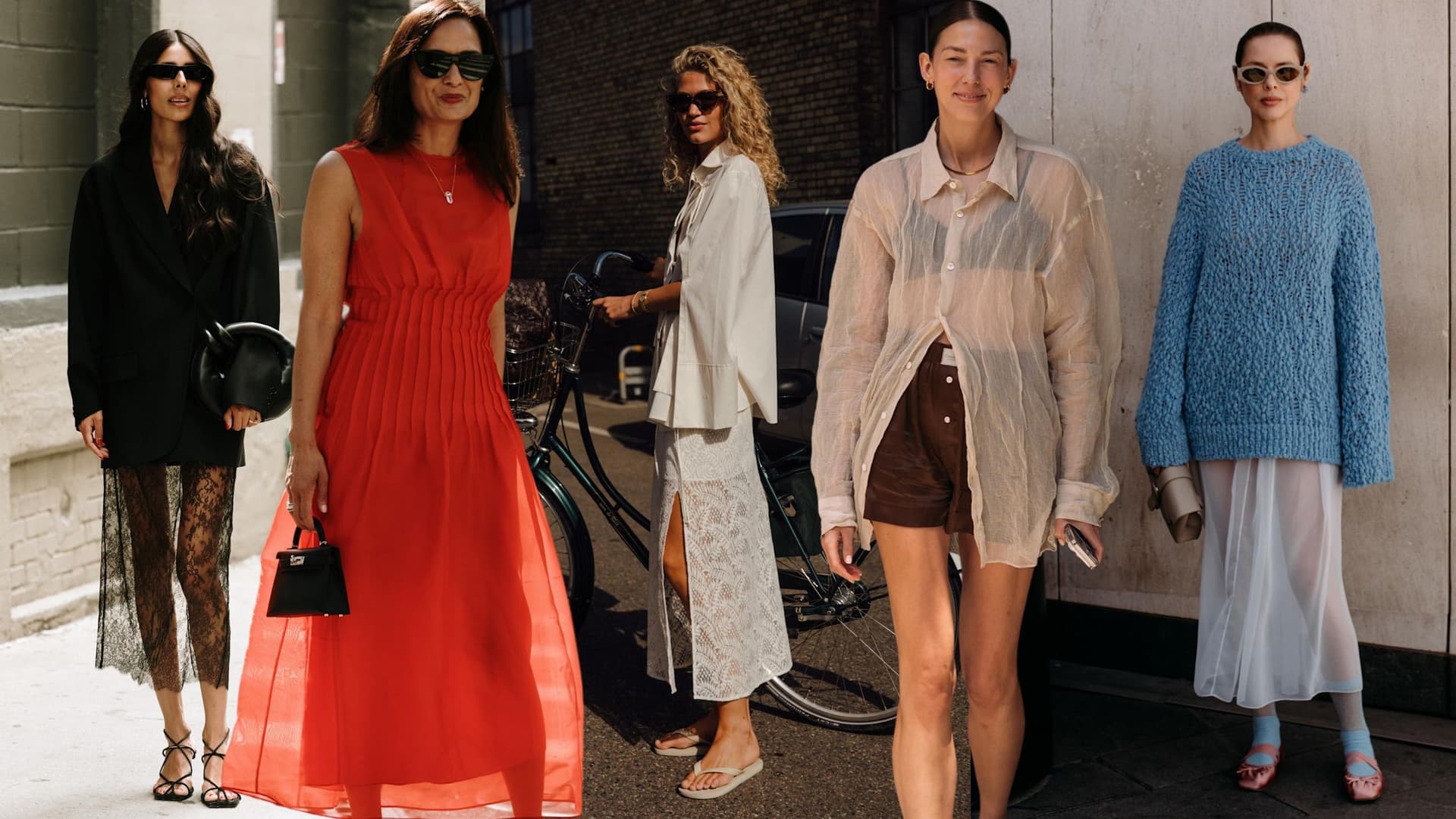
Strategic sheers are similarly dependent on styling. Marie Claire notes that spring 2026’s sheer trend carries into breezy tunics and slip dresses, which makes sense for warm weather, but sheer only feels luxurious when it is controlled. Think light layers over swimwear, a tunic over a clean slip, or an airy top that reveals shape without exposing everything. Anything too obvious loses the old-money effect immediately.
Why the stripes keep coming back
Marinière stripes are the most historically anchored of the lot, and that is why they endure. The Metropolitan Museum of Art notes that striped textiles were fashionable for tennis, yachting, and seaside walking because of their nautical theme and jaunty air, which is basically the DNA of warm-weather privilege. This is clothing designed for leisure, not labor, and that distinction still matters.
Chanel has long used striped motifs in Cruise collections, including a Cruise 2018/19 striped dress on the house’s own site, and that keeps the Breton stripe circulating as a signifier of inherited ease. Gabrielle Chanel made that language feel modern, but the appeal is older than fashion marketing: the stripe suggests clean air, coastal weekends, and a wardrobe that does not need to prove itself. In practical terms, it is one of the safest buys in the group because it works across ages, bodies, and summers.
The houses that shaped the mood
Max Mara gave this idea one of its clearest runway expressions. Its Spring/Summer 2026 show took place in Milan on Thursday, September 25, 2025, and the house framed the collection around Madame de Pompadour, with “rigorous detailing” and “an underlying hint of otherworldliness.” That combination is the blueprint here: disciplined construction softened by a faint sense of fantasy.
The Row approached the season from the opposite end of the temperature scale, with a low-profile Summer 2026 show in Paris, shaped in part by the brand’s no-phone policy. Coverage of the collection noted feathery separates, sequins, and a signature hairstyle, but the larger influence remained its own: restraint so confident it barely needs the theater around it. In other words, even when The Row introduces embellishment, it still feels edited down to the last inch.
What old money dressing really means now
The old-money aesthetic has always been less about nostalgia than social coding. The Metropolitan Museum of Art notes that simple English styles were adopted by some Frenchmen near the end of Louis XVI’s reign as a public rejection of aristocratic excess, which sounds surprisingly current for a summer trend story. Quiet luxury is simply the latest version of that instinct, and Forbes has described it as “nothing new,” tied to restrained branding and status signaling.
That is why these pieces endure. They are rooted in warm-weather privilege and ease, in clothing that suggests you are headed somewhere beautiful and do not need to announce it. The best summer wardrobes will lean hardest on trapeze dresses, linen slips, summer suiting, and marinière stripes, then use Bermuda shorts and sheers sparingly, as accents rather than foundations. The result is not trend dressing disguised as tradition, but a sharper version of the same old lesson: the most luxurious summer clothes are the ones that look like they have always belonged to you.
This article was produced by Prism’s automated news system from verified source data, official records, and press releases, then run through automated quality and moderation checks before publishing. The system is built and supervised by the people who set the standards it runs under. Read our full AI policy.
Did this article answer your question?