Marie Claire UK’s packing guide embraces quiet luxury for every getaway
Marie Claire UK’s packing guide turns quiet luxury into a travel uniform, proving the smartest getaway wardrobe is edited, not overpacked.

Packing well is not about bringing more. Marie Claire UK’s June 17 guide on what to pack for mountain escapes, spa retreats and family-friendly resorts turns vacation dressing into a lesson in restraint: repeatable uniforms, natural fabrics and polished pieces that never look like they are trying too hard. That is the old-money move, and it lands because 93.2 percent of readers only view, never share or comment, so the idea has to hit fast and feel instantly useful.
The old-money rule is a uniform, not a haul
Old-money style has always traded on a certain kind of ease: timeless elegance, impeccable tailoring and the kind of understated confidence that never needs to announce itself. CNBC put quiet luxury, classic prep and even mob-wife style under the old-money umbrella in 2024, which tells you how elastic the category has become. The common thread is still the same, though: muted palettes, logo-free pieces and high-quality materials doing the heavy lifting.
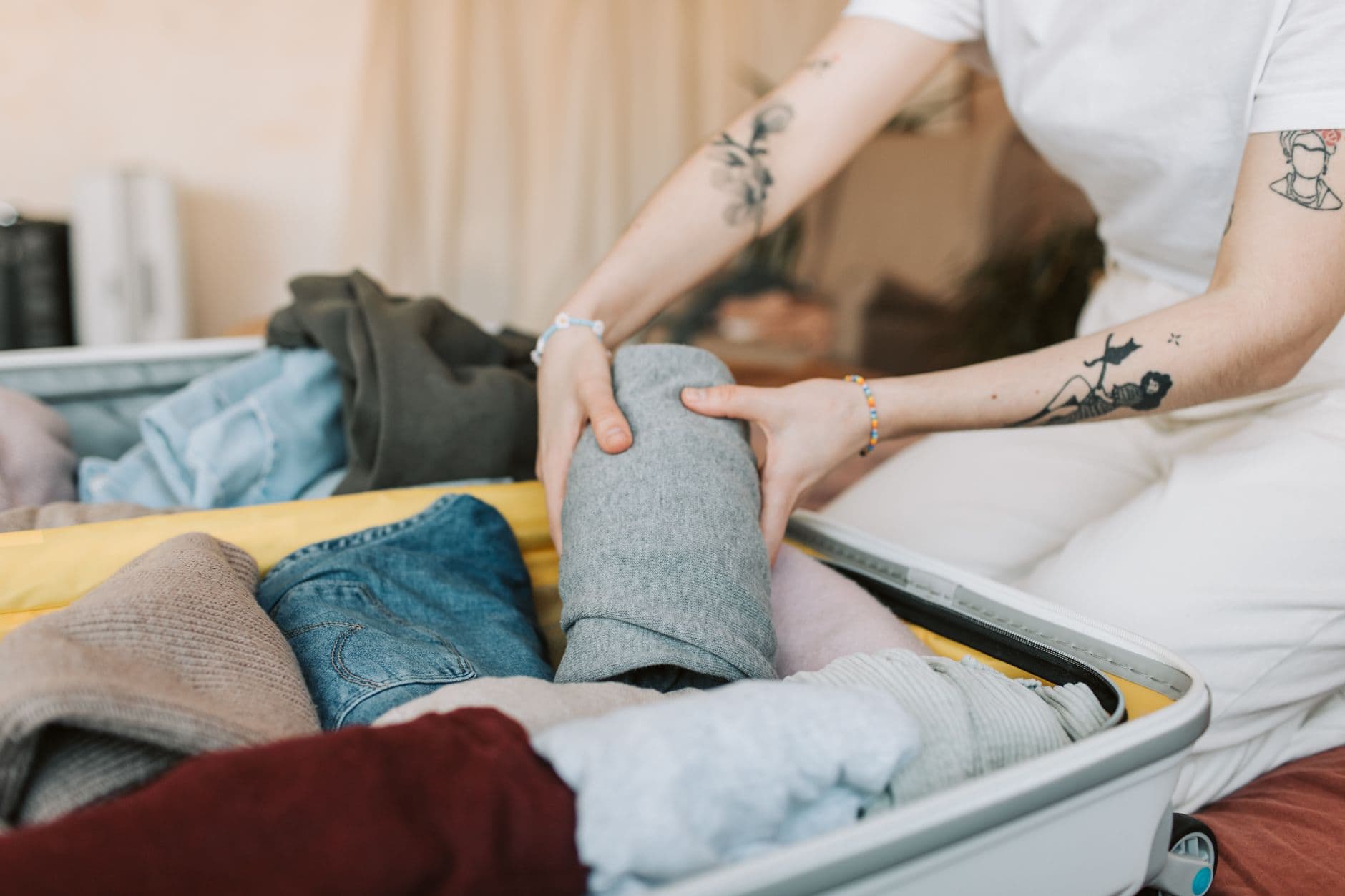
That is why the strongest version of this aesthetic is not a suitcase stuffed with “destination looks.” It is a disciplined edit. You wear the same cashmere knit in the mountains, over a slip dress at a spa lunch and with crisp trousers at dinner because the clothes are built to travel, not perform. The luxury is in repetition, in knowing exactly what works, and in never looking overpacked.
Forbes traced the branding logic behind loud and quiet luxury back to academic work from the early 2010s, tied to Glyn and Benjamin Voyer, and that history still explains the current mood. Quiet luxury is not just a vibe; it is a language of status that says polish is more convincing than noise.
Why Marie Claire UK gets the framing right
Marie Claire UK’s travel section is already built for this kind of story. Its promise, luxury hotel reviews, chic city guides and hidden gems, makes packing feel like part of a larger lifestyle system rather than a random shopping exercise. That matters, because the brand is not treating holiday clothes as disposable costumes. It is treating them as the gear that lets you move cleanly from arrival to dinner without ever losing your footing.
The wider June 2026 travel coverage backs that up. The site was also pushing travel trend predictions for 2026 with “From Romantasy Retreats to Glow-Cations - These Are the Biggest Travel Trend Predictions for 2026,” while a wellness piece sent a writer to Bali and COMO Shambhala Ubud in search of winter sun and a reset. Put those together and you get the full picture: Marie Claire UK is selling a version of travel that is curated, restorative and very aware of how style and setting feed each other.
That is why this packing guide feels bigger than the suitcase. It sits inside a broader editorial push toward more specific holiday planning, where the question is not “What do I own?” but “What does this trip actually require?” Whether the itinerary points to Southampton, The Hamptons or Bali, the aesthetic stays the same: light luggage, sharp fabrics and no unnecessary drama.
Three getaway settings, one disciplined wardrobe
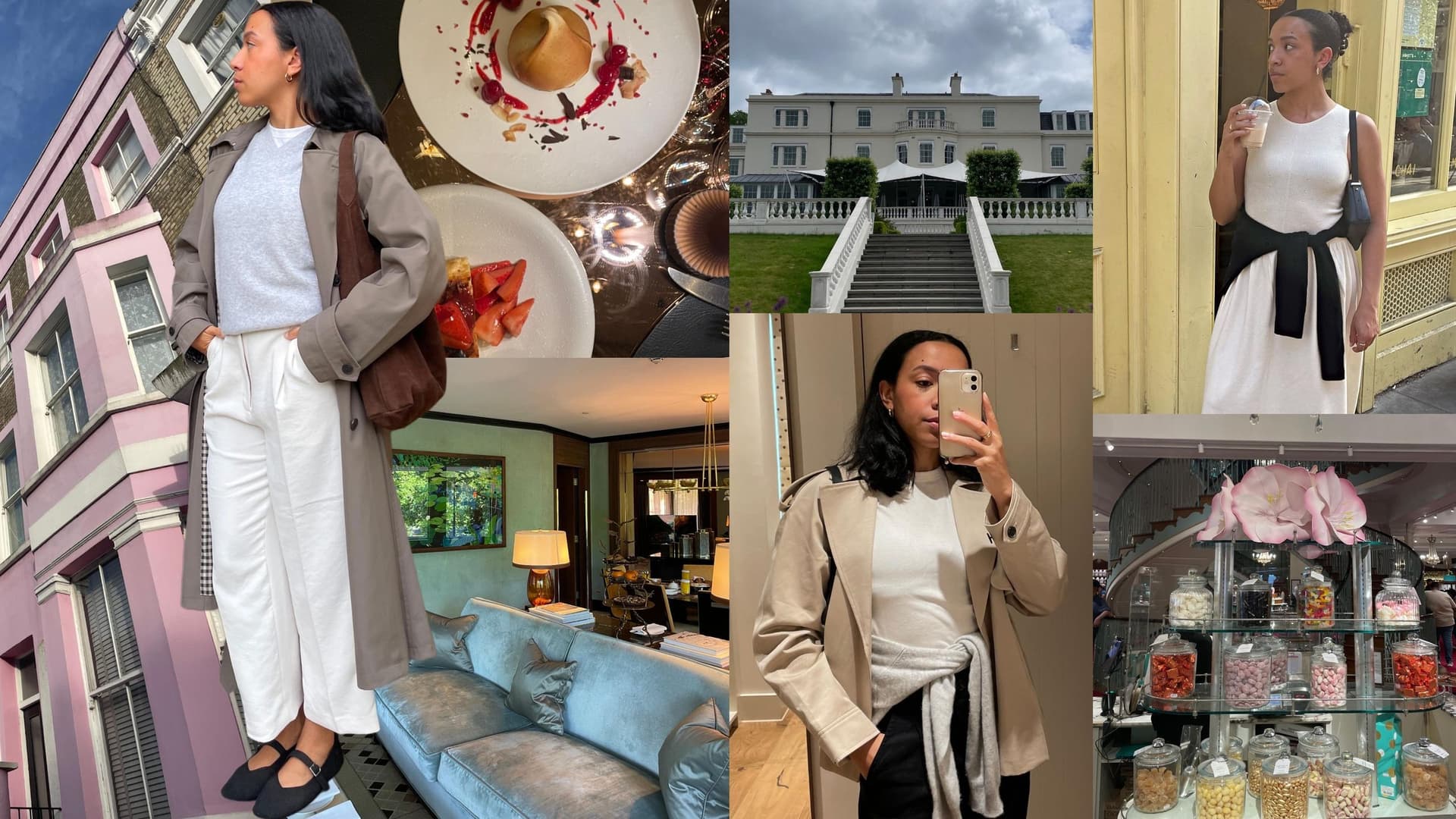
Mountain trips are where the old-money formula looks most natural. You want texture, warmth and clean lines: cashmere, merino, brushed wool, tailored trousers and outerwear that looks expensive even when it is working hard. The point is not to dress like a ski catalog. It is to look like someone who knows exactly how cold it gets after sunset and planned accordingly.
Spa retreats ask for a softer version of the same code. Here, the strongest pieces are fluid and quiet: linen shirts, easy knits, relaxed trousers, a robe-like coat and polished slides that can move from breakfast to the treatment room to a late lunch without a change of attitude. This is where quiet luxury stops being stiff and starts feeling sensual. The fabric matters as much as the silhouette because the whole point is ease without sloppiness.
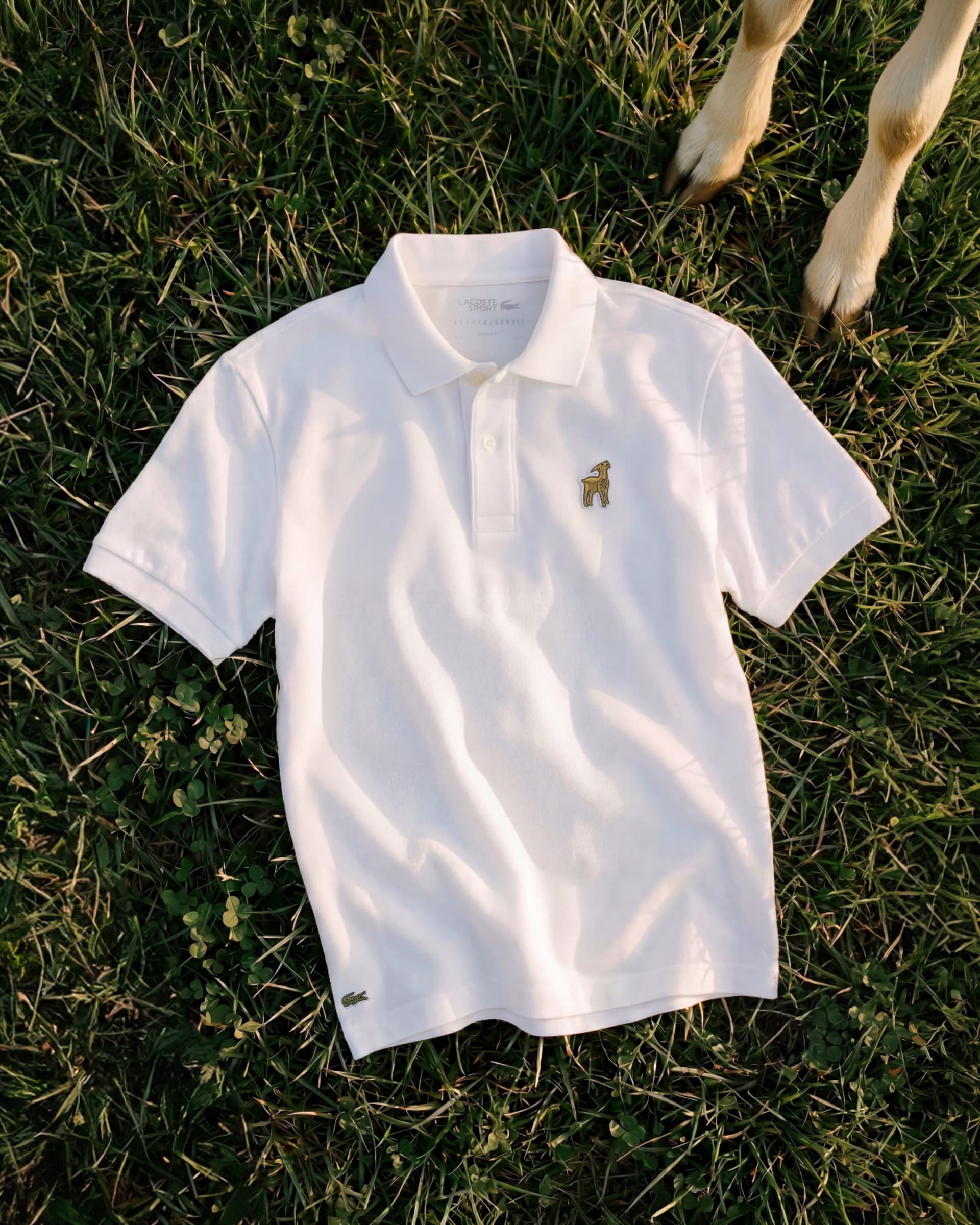
Family-friendly resorts need the most discipline, because they are the easiest place to overpack. The smartest answer is a small uniform of polished daywear that can survive poolside hours, a windy terrace and a quick dinner with the family without looking like you changed costumes three times. Think crisp shirting, knit polos, tailored shorts, shirt dresses and separates that mix without effort. Fewer pieces mean faster mornings, lighter bags and less of that vacation panic where everything feels wrong by day two.
Quiet luxury is getting richer, not louder
The old-money conversation is also shifting. The strongest 2026 versions are not trapped in sad beige or millennial grey. They are moving toward richer palettes, tactile fabrics and a little more romance, sometimes even a bedazzled accent, but only if the base is still disciplined. That is the tension inside the niche right now: quiet luxury versus decorative maximalism, minimalism versus texture, heritage elegance versus something a touch more expressive.
That tension is exactly what makes the category interesting instead of stale. Old money is no longer just shorthand for neutral basics and logo aversion; it is becoming a live code that can absorb color and texture without losing its composure. The smartest wardrobes are not loud, but they are not flat either.
Marie Claire UK’s guide works because it understands that shift. It treats packing as a class-coded system, not a shopping spree, and it shows why true luxury often looks like restraint: one repeatable uniform, a few excellent fabrics and the confidence to wear them everywhere from a mountain lodge to a spa terrace to a family resort.
This article was produced by Prism’s automated news system from verified source data, official records, and press releases, then run through automated quality and moderation checks before publishing. The system is built and supervised by the people who set the standards it runs under. Read our full AI policy.
Did this article answer your question?