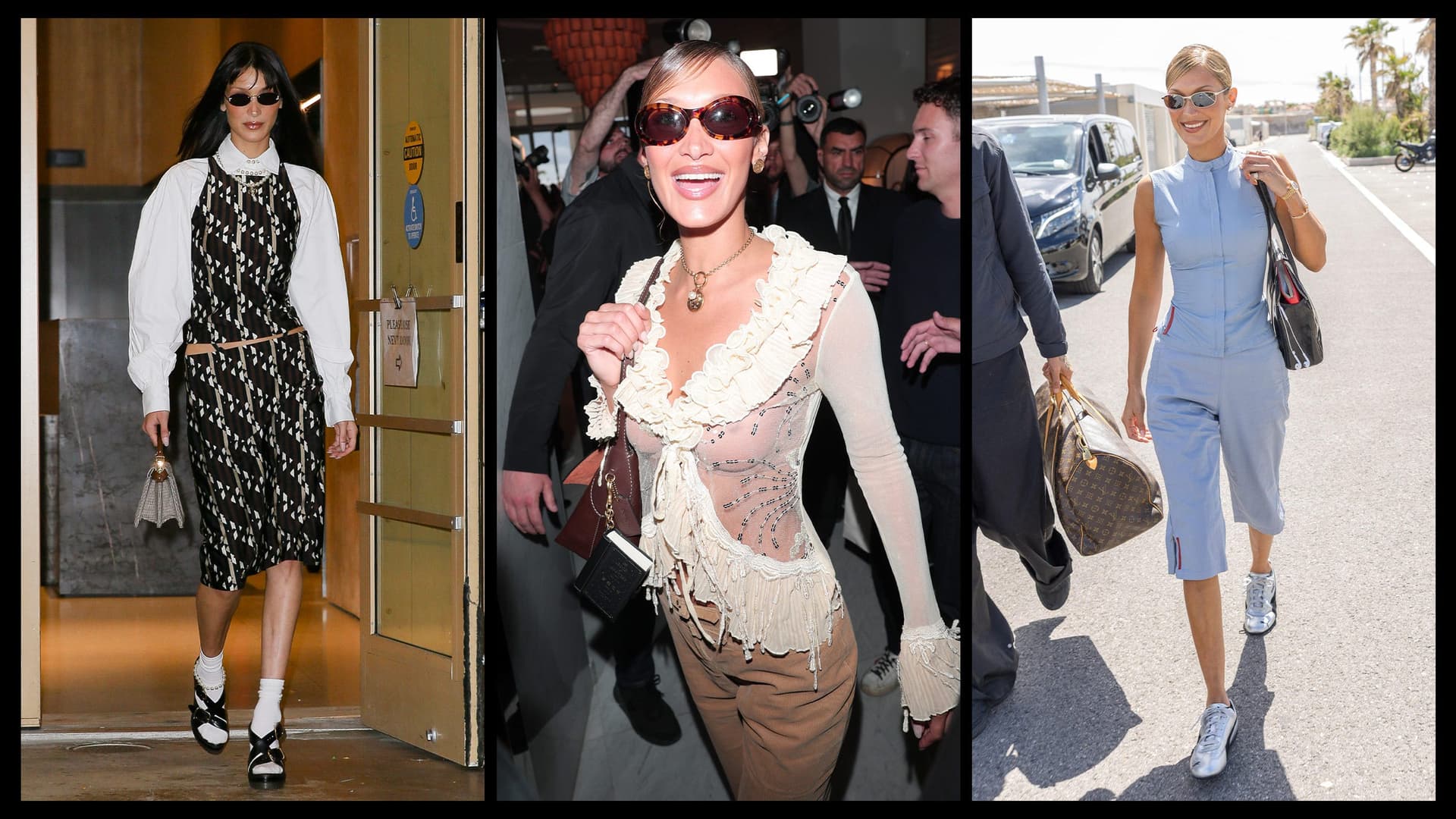
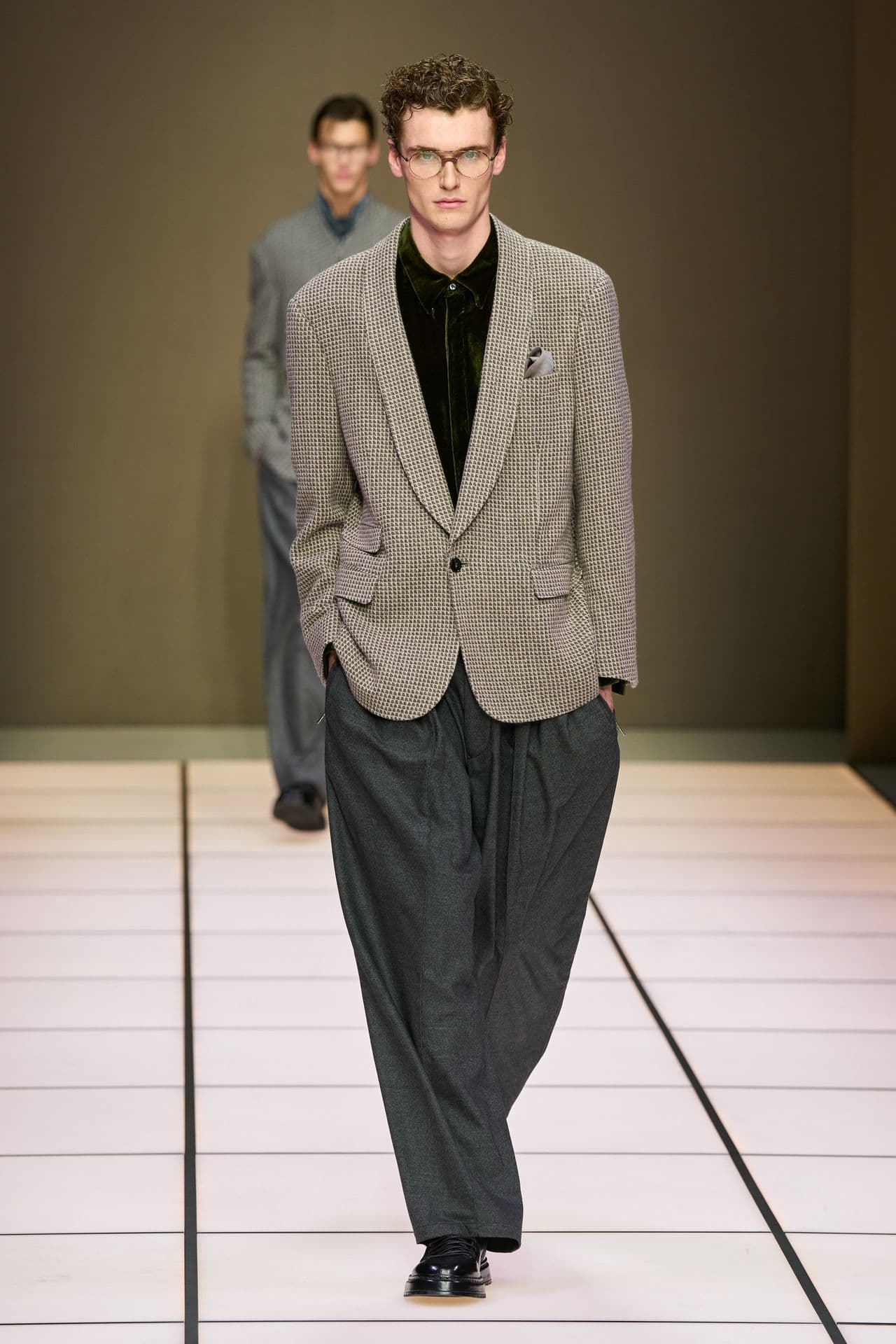
Marie Claire’s Summer 2026 dresses embrace quiet old-money ease
Quiet old-money dressing is back in dresses that look expensive because they are restrained, not loud, with white, lace, and craftsmanship doing the talking.
The new old-money dress code
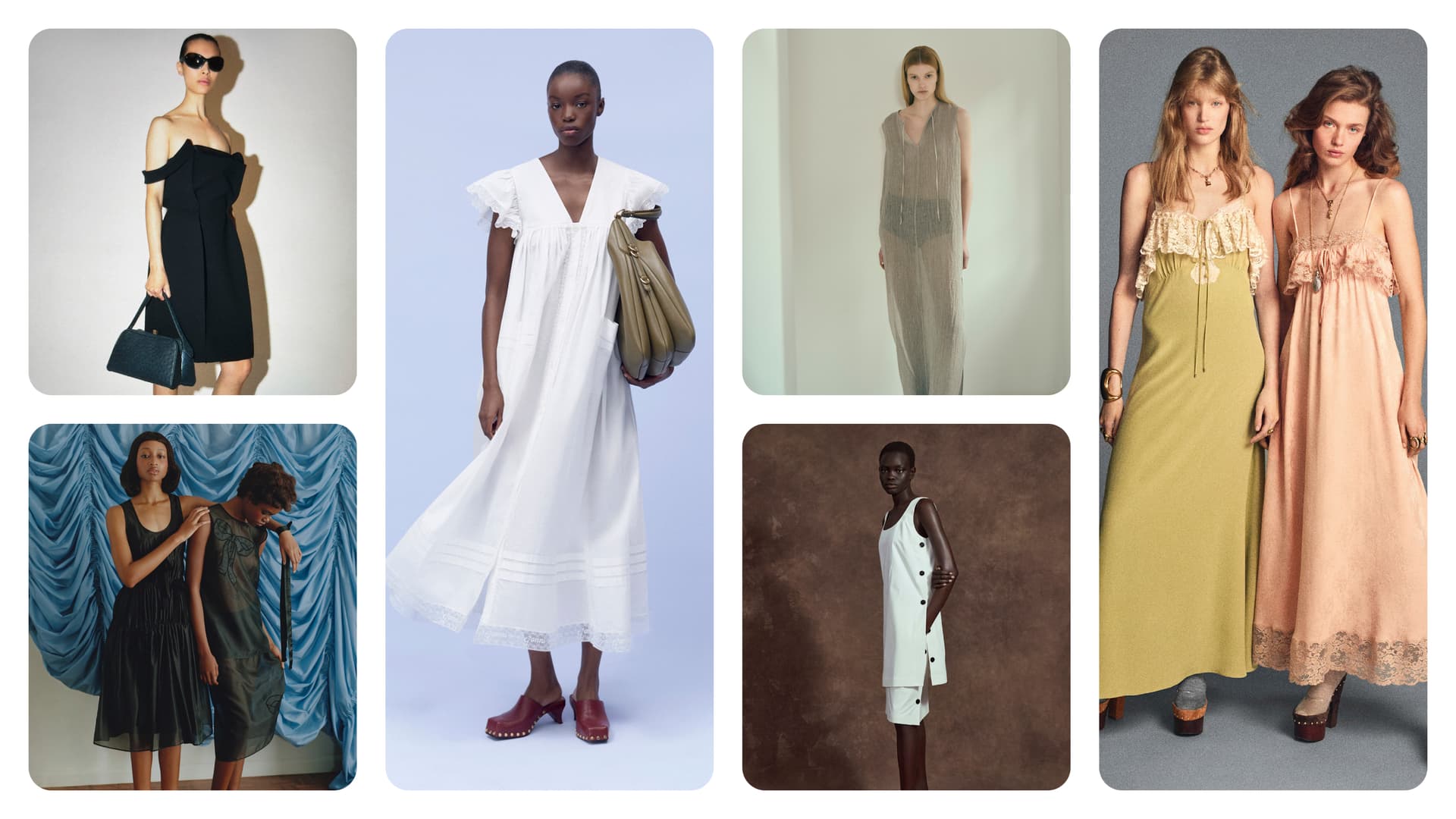
Marie Claire’s Summer 2026 dress edit has a very specific point of view: less fuss, more polish. The clothes read easy and breezy, but not lazy. They lean into little white dresses, smocked styles, lace-trimmed slips, elevated necklines, easy tank dresses, and broderie anglaise pieces, all pushed through a neutral palette that feels composed instead of trendy.
That matters because this is not the season of trying too hard. The smartest dresses now look like they were chosen by someone who understands heat, social codes, and the difference between looking expensive and looking decorated. The mood is quiet old-money ease, with just enough structure to signal taste and enough softness to keep it wearable in real life.
What actually reads old money now
Old-money style has always been about shorthand, and the best shorthand still comes from places like Newport and Palm Beach. WWD framed Pamella Roland’s Resort 2026 collection as “Old-money Newport,” with its reference points set on the historic homes of the Vanderbilts and Astors and the coastal charm of America’s original summer elite. That is the visual cue worth keeping in mind: not costume preppy, but leisure with lineage.
The dresses that fit this mood in 2026 are the ones that feel settled. Think neutral linen maxis for last-minute errands, lace-trimmed slips that move from daytime to evening, and trapeze sun dresses in organic cotton and silk like the ones The Row and Max Mara put into the conversation. These are not loud objects. They are quiet status signals, the kind of clothes that imply you have somewhere nice to go and no interest in announcing it.
The shapes to trust
The strongest silhouettes are the ones that make heat look intentional. Sculptural necklines and sleek cuts give the season its cleaner edge, while strategic smocking keeps the body of the dress relaxed rather than clingy. That balance is the whole game: enough shape to feel tailored, enough ease to feel like summer.
Marie Claire’s trend list gets this right by separating the dresses into clear categories rather than a giant blur of neutrals. Little white dresses handle the purest version of the look. Smocked dresses and easy tank dresses bring the practical side. Lace-trimmed slips and elevated-neckline dresses give you that polished, borrowed-from-an-equestrian-club-cabinet energy without becoming stiff. Broderie anglaise lands in the same family, but only when it stays crisp and controlled.
If a dress looks too boho, too beachy, or too overtly sexy, it has already missed the point. Old money in 2026 is not about bare skin or festival looseness. It is about a clean line, a calm color, and a silhouette that says you know how to dress for air conditioning, sunlight, and dinner without changing your entire personality.
Fabric is the real status tell
The difference between a disposable trend dress and a keeper is almost always in the fabric. Buyers at Paris Fashion Week Spring/Summer 2026 described the season as a reset, with a stronger focus on design, craftsmanship, and creativity despite the pressure of economic headwinds. That reset shows up most clearly in the materials: organic cotton, silk, cutwork embroidery, romantic lace, and fabrics that hold shape instead of collapsing into nothing after one wear.
Lace is especially loaded. It did not fully develop until the Renaissance, and major production centers in the 17th and 18th centuries were Italy, Flanders, and France. The Metropolitan Museum of Art traces lace back to cutwork, which is why it still carries this slightly aristocratic sense of labor disguised as ease. It looks delicate, but it has always required skill.
That is exactly why lace-trimmed slips and broderie anglaise dresses work for this story when they are kept controlled. You want texture, not excess. You want craftsmanship that you can feel in the hand, not embellishment that screams from across the room.
Why white still feels powerful
White summer dresses are never just white summer dresses. The old rule against wearing white after Labor Day came out of both high-society exclusivity and seasonal practicality, which is part of why white still carries that faint social charge. It feels fresh, but it also feels coded.
In the Marie Claire version of summer dressing, little white dresses do not read bridal or precious. They read deliberate. A crisp white dress with a clean neckline and a restrained hemline can do more for the old-money mood than any amount of fake preciousness in beige. The point is not to look fragile. The point is to look self-possessed.
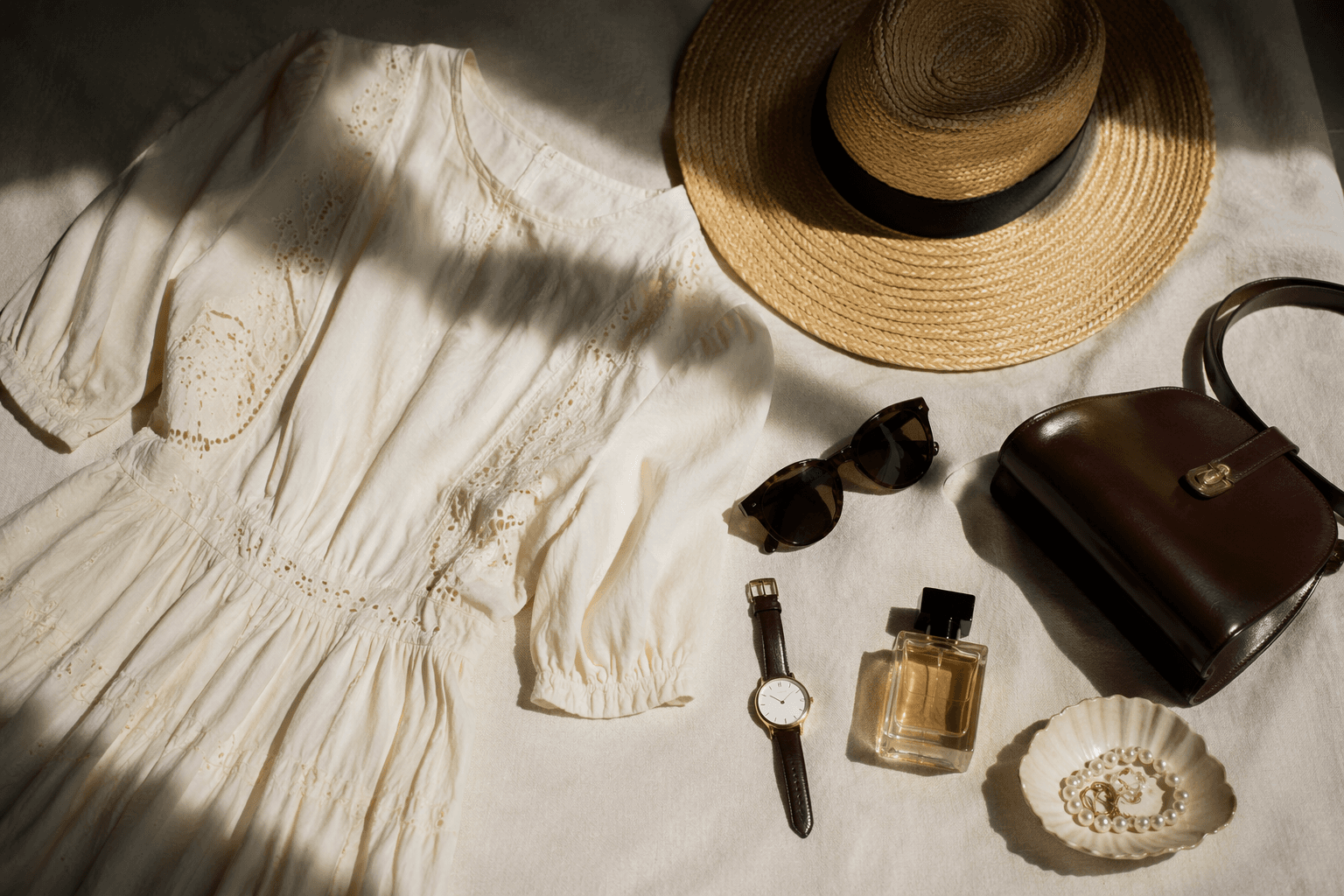
That is also why the palette stays neutral. Ivory, stone, soft sand, off-white, and pale linen shades make the dress look like part of a well-edited wardrobe rather than a one-off seasonal stunt. The occasional stripe, gingham, or floral is allowed, but only as punctuation. The main sentence is still all about restraint.
How to wear the look without turning it into a costume
The easiest way to miss this trend is to over-style it. Old-money dresses do not need loud accessories, beachy hair, or a pile of visible effort. Keep the jewelry minimal, the shoe simple, and the bag structured enough to hold the look together. The dress should carry the mood on its own.
The Row and Max Mara’s oversized trapeze sun dresses are the best reminder of the shape this should take in real life. They are roomy without being sloppy, elegant without being fussy, and practical enough to survive heat without looking like you gave up. That is the standard: clothes that feel like freedom, but with rules.
This is also why the season’s strongest dresses feel more enduring than disposable trend lists. They are built on recognizably expensive codes, but they are not trapped in nostalgia. They pull from Newport, the Vanderbilts, the Astors, Renaissance lace, and the current appetite for craftsmanship, then strip out the noise. What is left is the part of summer dressing that still has authority: calm color, real texture, and the kind of ease that only looks effortless when the details are right.
Know something we missed? Have a correction or additional information?
Submit a Tip