Millinery takes center stage at Royal Ascot 2026, tradition meets modern style
At Royal Ascot, the hat is the status signal. This year’s boater, fascinator and pillbox shapes show how old-money style is being rewritten in public.
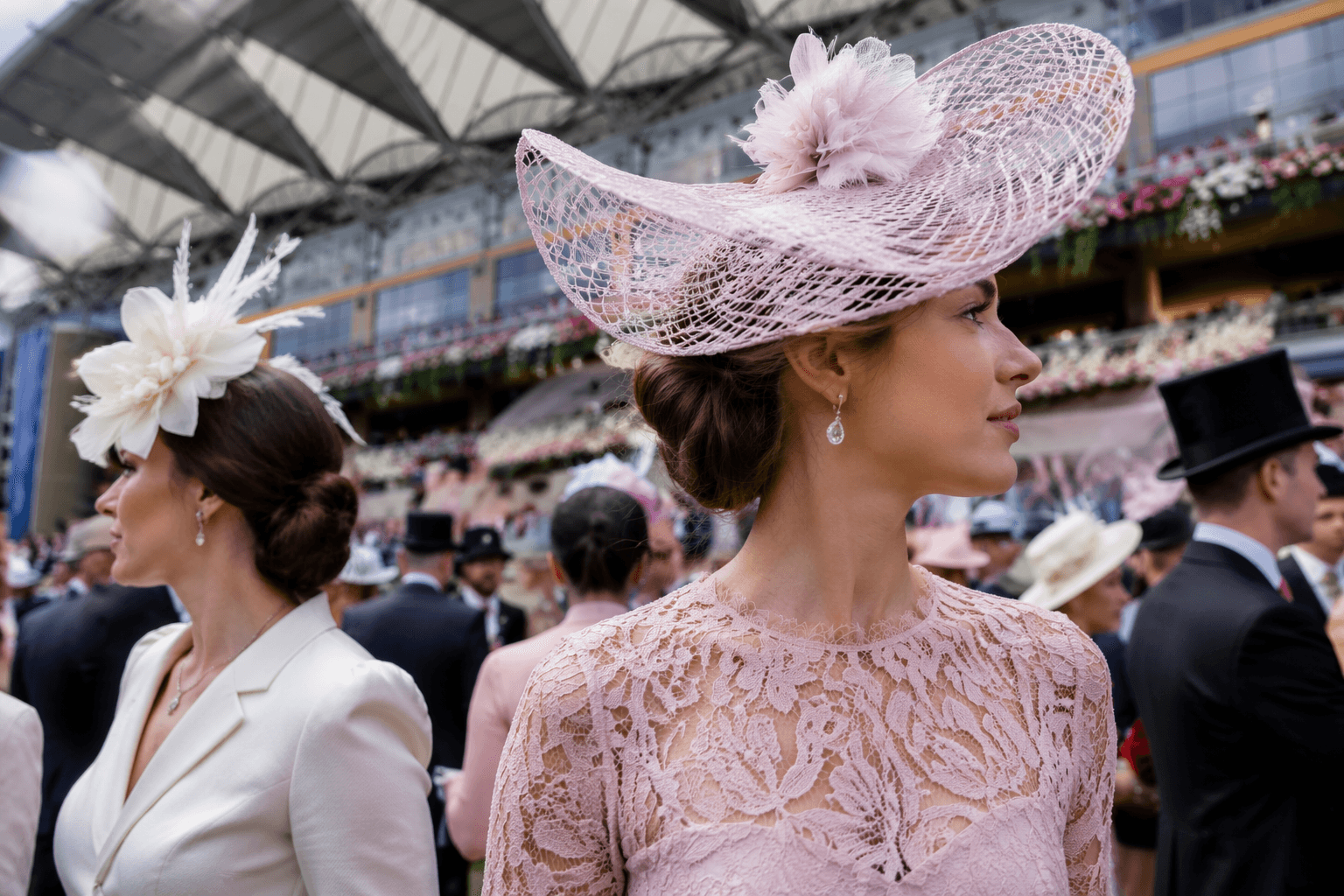
At Royal Ascot, the dress code matters, but the hat is the true currency. The 2026 meeting, running Tuesday 16 to Saturday 20 June at Ascot Racecourse, is being framed by milliners as a showcase for straw boater hats, whimsical fascinators and sleek pillbox shapes, all sharpened by rules that still decide who gets to wear what. That tension is exactly why Ascot remains one of the few places where old-money codes are not hidden but performed, interpreted and competed over in public.
Millinery is the real status economy
The sharpest read on Ascot this year comes from the milliners themselves: the hat is no longer an accessory added at the end, it is the outfit’s center of gravity. Jane Taylor, who makes for the Duchess of Edinburgh, calls the Royal Meeting “more theatrical,” while adding, “It is the one event where the hat isn’t just an accessory, it is the central piece in the outfit.” Merve Bayindir is equally direct: “Few events in the world place such importance on hats and headpieces,” which is exactly why the field remains so creatively charged.
That is the old-money shift in plain sight. The look still has to obey the codes, but the code itself has become a canvas for personality, and the milliner’s hand is what separates effort from authority. Royal Ascot’s own language leans into the spectacle, describing the week as five days of world-class racing, style and pageantry, with “the boldest millinery” part of the draw from the outset.
What the 2026 millinery collective is saying
Ascot’s 2026 Millinery Collective is now in its 11th year, and under Daniel Fletcher’s creative direction it reads less like a souvenir display and more like a thesis on modern British occasion dressing. The lineup brings together Stephen Jones OBE and Rachel Trevor-Morgan with contemporary names including Carol Kennelly, Edwina Ibbotson, Emily Baxendale, Emily Hurst, Filipa Cardoso, Fiona Cooper, Hood London, Jenny Beattie and Vivien Sheriff, a mix that puts heritage and newness on the same footing.
The visual language is pure Ascot, but with a lighter, more editorial hand. The collection draws from Cecil Beaton’s Bright Young Things of the 1920s and 1930s, then turns that mood into sculptural straw work, architectural pillboxes, dramatic picture discs, veiling and couture floral headpieces. Emily Hurst’s arrival through the £10,000 annual Ascot Millinery Bursary adds another layer: this is not just about preserving old craft, but about feeding the next generation of it.
How the dress code keeps the hat in charge
Royal Ascot’s fascination is that the rules never dilute the fashion, they intensify it. Each enclosure has its own dress code, and the Queen Anne Enclosure, the only public enclosure with access to the Parade Ring, Bandstand and Grandstand, explicitly presents itself as a hub of fashion and style where colorful outfits and millinery masterpieces are expected. That is the sweet spot for guests who want the full Ascot atmosphere without the rigidity of the most exclusive spaces.
The stricter enclosures turn the hat into a gatekeeper. In the Royal Enclosure, women need a hat or headpiece with a solid base of at least 10cm, while fascinators without that structure do not qualify; the dress code also rules out strapless and off-the-shoulder styling. That severity is not a nuisance, it is the point: the rules force the kind of precision that old-money dressing has always prized, where proportion, polish and restraint matter as much as ornament.
Why boater, fascinator and pillbox feel current now
The appeal of the straw boater, the whimsical fascinator and the sleek pillbox is that each solves a different Ascot problem. The boater feels crisp and socially assured, the fascinator lets the wearer lean into a little wit, and the pillbox offers that cool, compact line that reads unmistakably polished on camera. In a season when contemporary style is clearly invited inside the rules, these shapes let the wearer look modern without looking noisy.

That is also why the best Ascot dressing in 2026 feels less like stealth wealth and more like controlled visibility. The strongest looks will not be the most overloaded; they will be the ones that balance a disciplined silhouette with one confident gesture, whether that is a razor-sharp brim, a neat veil or a sculptural flourish at the crown. Royal Ascot still rewards discretion, but it now rewards interpretation just as much.
The new old-money code at Ascot
The modern Ascot uniform is not about erasing tradition. It is about editing it until it feels freshly expensive, which is why millinery has become one of the last highly visible arenas where class signaling remains both legible and beautifully contested. At Royal Ascot, the most exclusive thing is not restraint for its own sake. It is the ability to obey the rulebook and still look like you wrote it yourself.
This article was produced by Prism’s automated news system from verified source data, official records, and press releases, then run through automated quality and moderation checks before publishing. The system is built and supervised by the people who set the standards it runs under. Read our full AI policy.
Did this article answer your question?