Miu Miu upcycles vintage staples for modern old-money style
Miu Miu’s Upcycled capsule turns white shirts and chinos into status pieces, proving old-money style now lives in provenance, scarcity, and sharp editing.
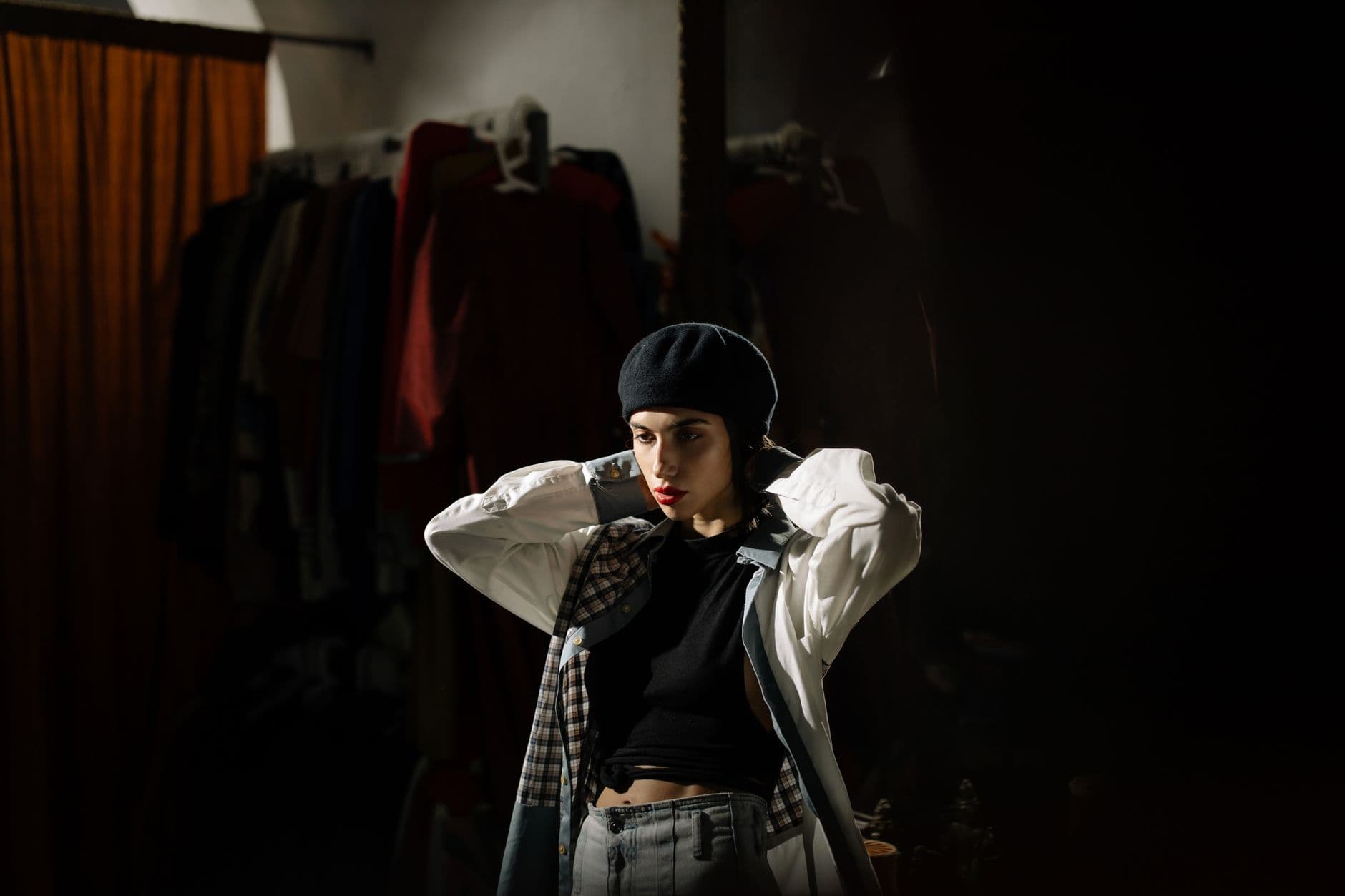
Miu Miu is making a very convincing case that the new luxury isn’t louder, it’s better edited. With its Upcycled capsule, the house takes the most familiar old-money uniforms, white shirts, khaki chinos, and other pedigree basics, and reframes them as desirable objects with history, tactility, and status. The point is not nostalgia. It is transformation: the kind that lets heritage pieces feel expensive without looking costume-y, precious, or trapped in a mood board.
Legacy, but sharpened
The strongest thing about this capsule is how plainly it understands modern old-money dressing. A white cotton shirt and a pair of khaki cotton canvas chinos already carry social memory: prep school ease, inherited wardrobes, summers spent looking unbothered. Miu Miu does not flatten that meaning. Instead, it restores, trims, and reconstructs the pieces so they feel newly intentional, as if the wearer has inherited taste but refuses to dress like a period drama extra.
That is why this collection matters to anyone watching the old-money conversation right now. The status signal has shifted. It is no longer enough to own the right categories. What counts now is provenance, editing, and the ability to wear something established in a way that feels current. Miu Miu’s Upcycled 2026 capsule takes exactly that idea and turns it into clothes.
What the clothes are saying
The collection starts from pre-owned white cotton shirts and khaki canvas chinos sourced from vintage dealers around the globe, then pushes them into new silhouettes. That matters because the pieces are not being treated as disposable fabric stock. They are being treated like luxury materials, with their own texture, patina, and authority.
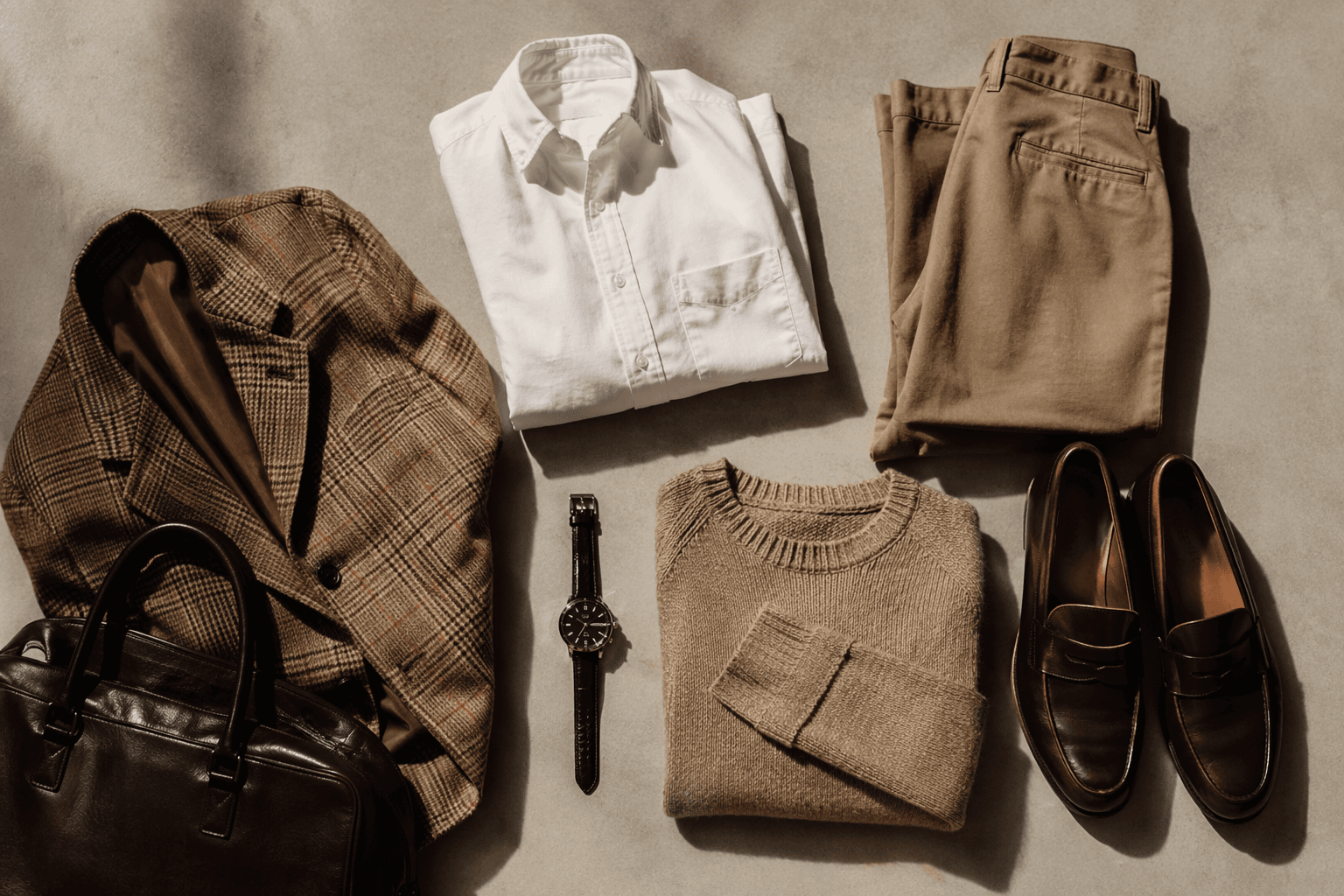
For readers building an old-money wardrobe, this is the difference between looking polished and looking staged. A vintage white shirt with a little softness at the cuff, or chinos with the weight and dryness of well-kept cotton canvas, reads as lived-in wealth when the cut is clean. Miu Miu’s approach suggests that the most compelling version of the look is not pristine uniformity, but controlled irregularity: a shirt that carries a past life, and trousers that feel edited rather than newly minted.
Why provenance now beats novelty
Miu Miu Upcycled was launched in December 2020 with 80 vintage dresses sourced from vintage clothing stores and markets worldwide. Those earliest pieces reportedly dated from the 1930s through the 1980s, which tells you everything about the brand’s long game. The idea was never simply to resell old clothes with a fresh label. It was to uphold the value of vintage clothing and make circular design feel culturally premium rather than purely ethical.
That framing has only become more relevant. By 2024, Miu Miu had already reached a fourth limited-edition release, Upcycled: Denim and Patch bags, extending the concept beyond dresses into bags and pre-2000 jeans selected by specialists and transformed into new pieces. The evolution is important: it shows the project is not a one-off styling exercise, but a sustained design language. Once a house can make denim and bags feel like archive objects, it can also make the white shirt and chino feel like luxury again.
The campaign is part of the message
The 2026 campaign puts Suki Waterhouse at the center, with photography by Alasdair McLellan, styling by Lotta Volkova, and art direction by Christopher Simmonds. That casting matters because Waterhouse brings a specific kind of modern softness, a little English insouciance, a little vintage glamour, which suits the idea of old money without rigidity. She makes the clothes feel wearable rather than sealed behind glass.
Miu Miu says the collection is “a conversation between the past and the present,” and that is exactly how it reads. The styling does not scream archival seriousness. It suggests movement, ease, and the kind of studied nonchalance that old-money dressing has always prized. What changes here is the logic behind the look: instead of buying novelty, the wearer buys interpretation.
How to wear the new old-money code
The lesson from Miu Miu’s Upcycled capsule is not to chase the exact pieces, but to understand the hierarchy it proposes. Start with classics that already carry cultural weight, then insist on cut, texture, and condition. The white shirt should feel crisp but not corporate. The chinos should have a proper drape, not the limpness of throwaway basics. Above all, the outfit should look preserved, not performed.
- Choose heritage fabrics with visible substance, especially cotton that holds shape and texture.
- Keep the silhouette relaxed but deliberate, so the clothes suggest inheritance rather than irony.
- Avoid over-accessorizing; the point is restraint, not theme dressing.
- Let wear and restoration show just enough to signal character without tipping into shabby.
That balance is what separates modern old-money style from costume. The best versions look as though they came from a wardrobe that has been edited over years, not assembled in a weekend.
Why Miu Miu’s version feels more relevant than a trend cycle
What makes this capsule strategically smart is that it treats old-money staples as scarce objects, not generic neutrals. In a market crowded with “quiet luxury” basics, Miu Miu is doing something sharper: proving that provenance itself can be part of the value proposition. A white shirt is no longer just a white shirt when it has been sourced from vintage dealers, restored carefully, and reissued under a luxury house’s aesthetic codes.
That is the real shift readers should pay attention to. Old-money fashion is moving away from pure polish and toward edited history. Miu Miu has turned vintage into a luxury argument, and in doing so it has made the most familiar wardrobe pieces, shirts, chinos, denim, bags, feel newly relevant for a customer who wants status without shouting it.
This article was produced by Prism’s automated news system from verified source data, official records, and press releases, then run through automated quality and moderation checks before publishing. The system is built and supervised by the people who set the standards it runs under. Read our full AI policy.
Did this article answer your question?