Nigo’s Kenzo returns to Place des Victoires with Ivy League polish
Nigo turns Place des Victoires into a collegiate homecoming, pairing varsity polish with workwear and making Kenzo heritage feel wearable.

Nigo’s Kenzo returns to Place des Victoires with the ease of a house that remembers its own address. The collection does not treat heritage as a museum piece; it turns the square into a lived-in codeset, where Ivy League crispness, varsity ease, and Parisian polish all meet in one controlled sweep. What makes the outing distinctive is the tension Nigo keeps alive: the clothes feel rooted in place, yet they never lapse into costume.
Place des Victoires as a fashion code
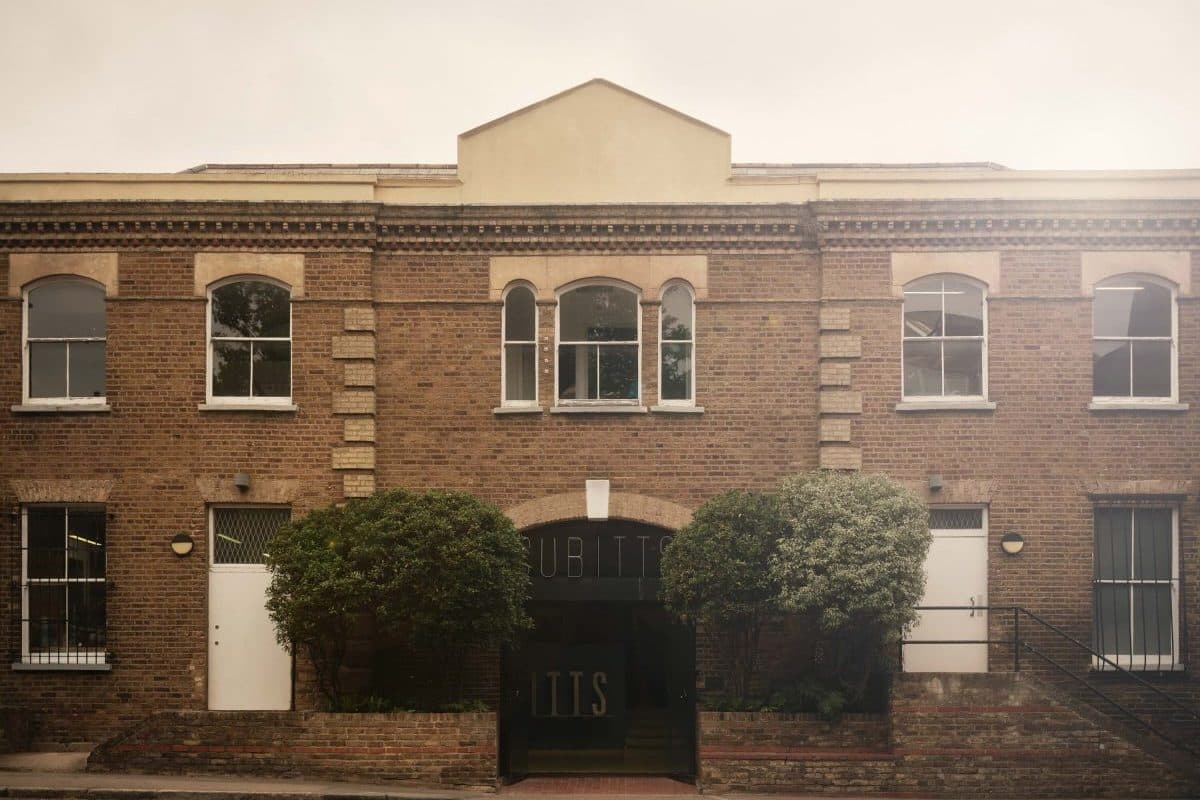
Kenzo’s bond with Place des Victoires runs deeper than a runway backdrop. The house is linked to the square in the way Chanel is tied to Rue Cambon and Dior to Avenue Montaigne, because Kenzo Takada opened the brand’s headquarters and a highly trafficked boutique at No. 3 there about 50 years ago. That history gives the spring-summer 2027 presentation a built-in gravity: it is a return to the brand’s birthplace, not a scenic Parisian detour.
The public-facing takeover, La Fête de Kenzo, ran from June 22 to June 28, 2026 and folded the collection into a broader activation with a showroom, a pop-up, a cafe, a Konbini-inspired market, and a florist. The effect is less of a private fashion moment than a neighborhood occupation, which suits a house whose identity has always depended on movement, spectacle, and city life.
What Nigo is actually doing with heritage
Kenzo’s SS27 lookbook frames the collection as a balance of heritage and reinvention, sportswear and romance, archives and creation. That language matters because Nigo has spent multiple seasons proving that he understands the archive best when he lets it behave like clothing, not relics. The shared belief of Kenzo Takada and Nigo is summed up in the line “le monde est beau,” and that optimism shows up here not as sentimentality but as a disciplined lightness.
This is where the collection separates authentic reinterpretation from nostalgic borrowing. Nostalgia would have stopped at retro references and a few Parisian cues. Nigo goes further by making the references operate as a wardrobe system: you can read the collection as a polished wardrobe for people who know the difference between inheritance and imitation.
The clothes: varsity, rugby, chore, and the right amount of preppy restraint
WWD’s description of the show points to the exact vocabulary that gives the collection its charge: striped ribbons, varsity jackets, rugby shirts, and chore coats. That mix gives the line its old-money casual rhythm, but the styling avoids the over-determined stiffness that can sink preppy fashion. Varsity jackets bring the campus note, rugby shirts add weight and ease, and chore coats keep the result from drifting into country-club cosplay.
The footwear seals the message. Paraboot moc-toe shoes ground the looks in something sturdier and more European than sneaker-driven prep, which helps the outfits read as deliberate rather than lazy. The result is a wardrobe that understands old-money style at its best: not pristine display, but ease, quality, and a certain refusal to overstate the point.
Why this feels more credible than costume prep
Nigo has been building toward this register for a while. His Spring 2026 men’s pre-collection leaned into workwear, Americana, and soft tailoring, a combination that already suggested he was less interested in pure nostalgia than in recombining the practical pieces of modern dress. Kenzo’s Fall 2026 men’s review then showed the designer returning to a slightly preppy style in Kenzo Takada’s former Japanese-style home in Paris, which made the preppy turn feel like a continuation, not a pivot.
That continuity is what gives the current collection credibility. Nigo is not borrowing establishment dress as decoration; he is translating its ease, its informality, and its social confidence into a Kenzo language that can survive outside the runway. The clothes suggest that heritage only works when it can move.

The bigger Paris story behind the collection
Place des Victoires matters because it was once a fashion engine, and Takada’s 1976 presence helped restore its reputation as a fashion hub. Kenzo has leaned into that memory before, including a 2000s-era show around the square that deployed 30 vintage Citroën DS cars, a theatrical gesture that made the location feel mythic and urban at once. Nigo’s version is quieter, but no less strategic: rather than overwhelm the square, he uses it as proof of continuity.
That distinction matters for readers who care about old-money style now. The strongest pieces in this Kenzo moment are not the loudest ones. They are the garments that handle heritage with restraint, the ones that look as if they could move from a Paris showroom to a weekend house without losing their line.
What to take from the collection
The most usable idea here is not the logo, the setting, or the ceremony. It is the mix of polish and utility: a varsity jacket worn with conviction, a rugby shirt chosen for its structure, a chore coat cut clean enough to sit beside tailored trousers, and a moc-toe shoe that keeps everything grounded. That is the lane where old-money dressing feels modern rather than theatrical.
For anyone watching Kenzo through the lens of wardrobe building, the message is clear. The house is not chasing the past so much as reorganizing it, using Place des Victoires as a frame for clothes that understand privilege as restraint, not flash. In Nigo’s hands, Kenzo’s heritage does not sit still, and that is precisely why it works.
This article was produced by Prism’s automated news system from verified source data, official records, and press releases, then run through automated quality and moderation checks before publishing. The system is built and supervised by the people who set the standards it runs under. Read our full AI policy.
Did this article answer your question?