Old mine diamonds and heirloom details reshape bridal stacks
Old mine diamonds are back, but the real status move is restraint: provenance, hand-work and smarter stacks beat splashy faux-heirloom drama.
The heirloom look just went public
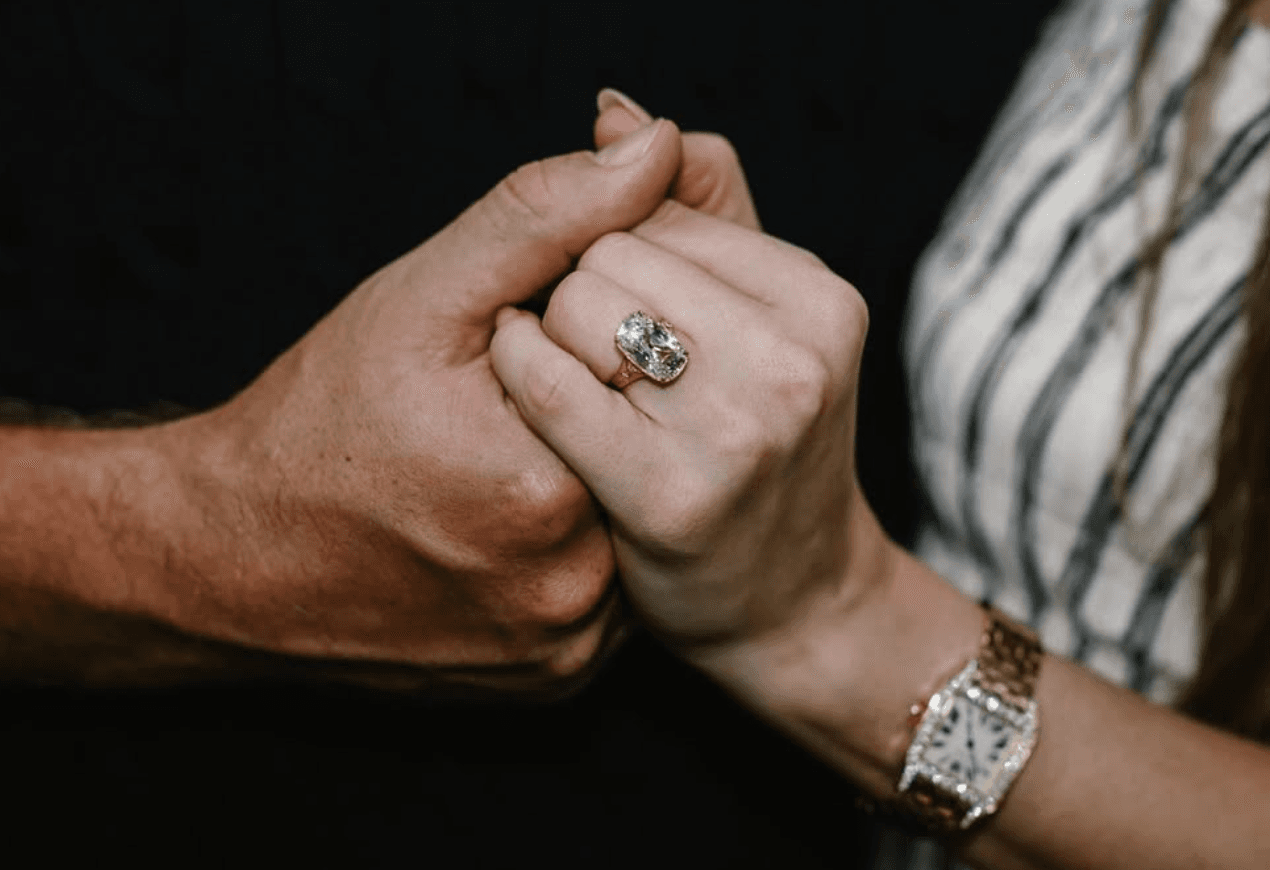
The quietest wedding jewelry has become the loudest status code. Antique-inspired engagement rings are getting bigger, bolder and more theatrical, with heirloom-style details now scaled up for visibility, and the wedding-band stack is being forced to catch up. The message is clear: this is no longer about looking inherited. It is about looking expensive enough to pass for inherited, even when the ring is brand new.
Taylor Swift’s engagement to Travis Kelce poured gasoline on the old-mine conversation, and suddenly the antique register that used to live in estate cases and private appointments was everywhere. The old-money fantasy has not disappeared, but it has changed costume. Instead of whispering, it is flashing polished metal, larger stones and settings that borrow from family-jewel box memory while making sure the camera sees every detail.
What old mine actually means, and why it reads so well
The term matters. The Knot classifies an antique engagement ring as more than 50 years old, while vintage usually means at least 20 years old. It also places the aesthetic across a familiar lineage of Georgian, Victorian, Edwardian, Art Deco and Art Nouveau references, which is why these rings feel less like a trend and more like a visual language.
The anchor of the whole look is the old mine cut. GIA says old mine cuts were common from the early 18th century through the late 19th century, especially in Georgian and Victorian jewelry. They were shaped by hand, stone by stone, and designed to sparkle in candlelight. That is the part modern brides are chasing, not just the antique silhouette but the soft, irregular fire that feels intimate rather than machine-perfect.
That history is what keeps the style from reading like costume. A true heirloom feel comes from the cut, the setting and the restraint, not from piling on every vintage cue at once. If the ring looks like it was built for a family archive, it lands differently than a ring that simply borrows old-language details and turns them up to eleven.
Why the bridal stack has to work harder now
The old one-ring-plus-band formula is getting stretched by more individual engagement-ring shapes. WWD says the trend toward antique-inspired rings is changing expectations for the traditional wedding-band stack, and that is where the styling gets interesting. Chunky bands, floating diamonds, bezel settings, toi-et-moi designs and east-west settings are all pushing wedding bands to adapt instead of simply sit beside the engagement ring like a polite afterthought.
That shift matters because the stack is now part of the status signal. A slim, straight band can look painfully generic next to a dramatic center stone, while a shaped band or a deliberately offset pairing says the whole set was considered as one object. The best versions feel edited, not crowded. There is a big difference between a stack that looks composed and one that looks like it was assembled for maximum sparkle under bad lighting.
The broader bridal market shows how collaborative this all has become. The Knot’s 2024 Jewelry & Engagement Study found that 77% of proposees in the United States had some involvement in selecting or purchasing their engagement ring. That number explains why these rings look more intentional now. The old script of total surprise has been replaced by a more design-minded approach, where both people are choosing the symbolism and the silhouette together.
How to tell real old-money signals from faux-heirloom excess
This is where the visual code separates. True old-money jewelry usually signals provenance, craftsmanship and restraint. Faux-heirloom excess screams “vintage” by stacking every antique reference into one ring and hoping the weight of it all reads as pedigree.

Look for these tells:
- Provenance that makes sense, whether the ring is truly antique or inspired by a documented period style.
- Settings with purpose, like milgrain, filigree, hand-engraved platinum bands, halos or side stones that feel integrated rather than decorative for decoration’s sake.
- Stone shapes that support the mood, especially cushion or asscher cuts, which naturally read more archival than ultra-bright, ultra-modern shapes.
- Restraint in scale. A ring can be large and still feel elegant if the proportions are disciplined.
Flashy faux-heirloom design usually gives itself away with too much symmetry, too much polish or too many “heritage” signals crammed into one piece. The result looks bridal, but not old money. Old money rarely begs to be noticed; it usually just refuses to look new.
Why the market is leaning into brown diamonds, resale and antique cues
The trend is not only aesthetic, it is economic. JCK reported in 2025 that higher primary-market prices tied to global tariffs are reinforcing antique, vintage and resale preferences, which makes the secondhand and antique worlds feel less like niche taste and more like rational luxury shopping. JCK also flagged brown diamonds as a major talking point in 2025, with Gen Z showing interest in brown diamond engagement rings. That matters because brown stones, once treated as the wrong shade, now read as grounded, warm and deliberately off-script.
That same appetite is moving through fine jewelry retail. Kwiat is actively merchandising vintage-style demand with filigree, milgrain, hand-engraved platinum bands, halos, side stones and cushion or asscher cuts. In other words, the antique look is no longer something you have to hunt down in a velvet-lined case. It has been translated into modern fine-jewelry language and put on the sales floor.
The new status code is not bigger, it is more specific
The current bridal moment is not just about maximal sparkle. It is about specificity, the kind that signals taste before it signals wealth. Old mine cuts, heirloom settings and carefully built stacks all point in the same direction: the most convincing luxury now looks less like inventory and more like inheritance.
That is the real change. The ring does not need to shout legacy anymore. It just needs enough craftsmanship, proportion and history-coded detail to make everyone else assume it already belonged to someone important.
This article was produced by Prism’s automated news system from verified source data, official records, and press releases, then run through automated quality and moderation checks before publishing. The system is built and supervised by the people who set the standards it runs under. Read our full AI policy.
Did this article answer your question?