Old money dressing, refined fits and polished layering for men and women
The real old-money look is getting sharper, not louder: navy, cream, pleats, loafers, and the kind of layering that looks inherited, not assembled.
The uniform that still reads rich
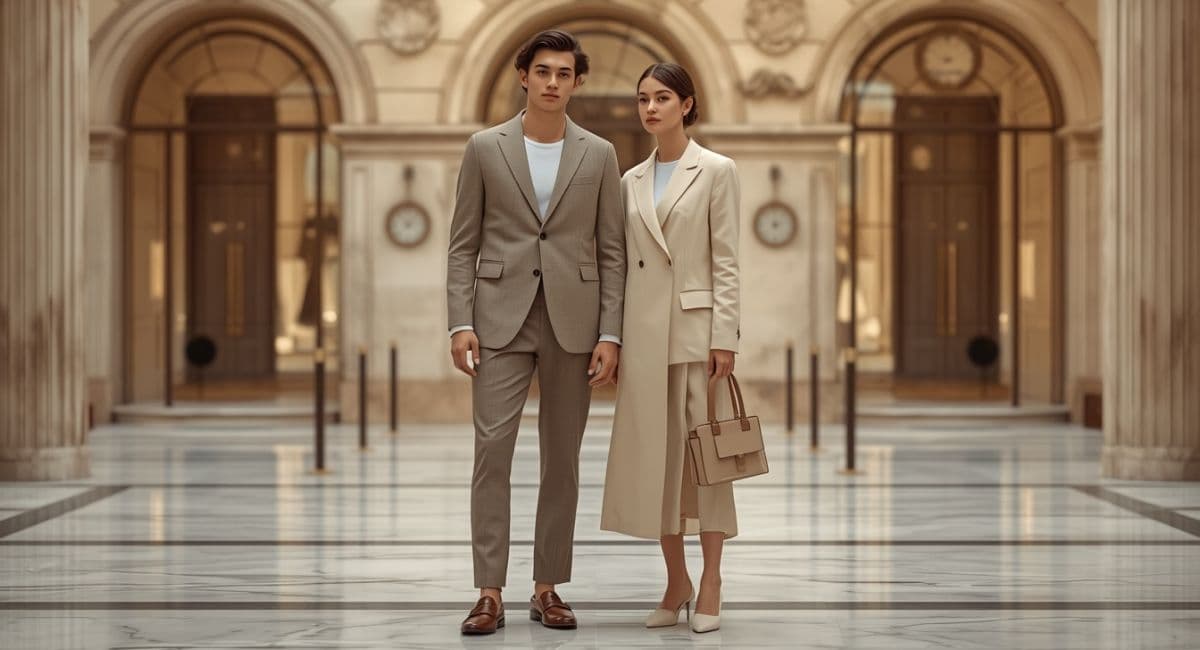
The trick in old-money dressing is that nothing looks arranged, yet everything is exact. In 2026, the strongest version of the look has moved away from logo games and into discipline: refined fits, classic colors, polished layering, and the kind of restraint that makes expensive clothes look almost casual. Ralph Lauren still gives you the Ivy League shorthand, Brunello Cucinelli the soft-spoken Italian polish, and Loro Piana the cashmere standard everyone else is still trying to imitate.
What makes this style work now is that it is built around a few pieces that never need explaining. A navy blazer. Cream knitwear. Pleated trousers. Loafers. Understated jewelry. That is the whole system, and it is stronger than any trend pileup because it relies on silhouette and texture, not noise. The palette stays calm, usually in navy, cream, stone, camel, white, and soft brown, which is exactly why the clothes read as costly before you even notice the label.
Start with the blazer
If the wardrobe has one anchor, it is the navy blazer. The right one does not cling, does not balloon, and does not try to look borrowed from a costume rack. It sits cleanly through the shoulder, has enough structure to frame the body, and enough ease to move from denim to pleats without changing personality. That balance is the point: it should look like a piece you have worn for years, not one you bought because TikTok told you to dress like a hedge fund heir.
For men, the navy blazer works best when the shirt underneath is crisp and unfussy, and the trouser line stays long and quiet. For women, the same jacket lands beautifully over a cream knit or a clean white shirt, especially when the waist is suggested rather than squeezed. This is where old-money style stops being about gender and starts being about posture: the clothes should feel settled on the body, not perched on it.
Cream knitwear is the real power move
The cream knit is where the look gets expensive fast, because cheap versions always betray themselves. Good knitwear has weight, softness, and a surface that catches light without looking shiny. Think cashmere, fine merino, or a substantial cotton blend with enough density to hold its shape. The best versions sit close enough to the body to look intentional, but never so tight that they feel Instagram-built.
This is also the layer that separates actual quiet elegance from a costume version. Real old-money knitwear looks polished because the fiber is good and the fit is controlled. The fake version usually screams through a slouchy neckline, a flimsy hand, or a sweater that has been styled to death with a shirt collar poking out just so. That kind of overworked effort reads like a costume because it is trying to sell wealth instead of expressing ease.
Pleated trousers do the heavy lifting
Pleated trousers are back for the simple reason that they make a body look more composed. They give the leg line shape without stiffness, and they move with a better kind of ease than flat-front styles when the fabric has real drape. In old-money dressing, the trouser should not hug the hip like streetwear and should not collapse at the hem like bad officewear. It should fall. That fall is the luxury.
For men, pleats work especially well in wool or wool-blend fabrics with a clean taper and a slight break at the shoe. For women, they become sharper when paired with a tucked knit, a silk shirt, or a blazer that keeps the upper half controlled. The best color story stays tonal: ivory against oatmeal, navy against stone, camel against chocolate. That restraint is what makes the outfit feel inherited rather than assembled from whatever was on sale.
Loafers and jewelry should whisper
Loafers are non-negotiable because they keep the look grounded. Penny loafers and horsebit styles remain the cleanest read, especially in polished leather or soft suede with a slim profile. They work because they bring a little formality without tipping into stiffness, which is exactly the tension old-money dressing likes. Heavy soles, loud hardware, and overbuilt shapes push the whole outfit in the wrong direction fast.
Jewelry should behave the same way. A signet ring, a slim chain, a restrained watch, small hoops, that is enough. The point is not to sparkle across the room. The point is to look like you have been wearing the same pieces for years because they mean something to you, not because they were meant to be photographed. When jewelry gets too polished or too stacked, the outfit loses its discipline and starts reading as themed.
How to spot the real thing versus the TikTok version
The biggest difference is texture and proportion. Real quiet-elegance dressing uses natural-looking fibers, precise tailoring, and a color story that stays calm even when the layers get deep. The costume version usually depends on shortcuts: over-tucked shirts, fake-vintage gold, hyper-starched collars, sloppy drape, or too many so-called heritage details fighting each other at once. If the outfit looks like it was built to prove a point, it already missed.
The sharper old-money wardrobe in 2026 is not about pretending to be anonymous rich. It is about knowing exactly where the line is between polished and performative, and staying on the polished side every time. The best pieces do not announce themselves, they hold their shape, keep their color, and make everything else look cheaper by comparison. That is the whole game now.
This article was produced by Prism’s automated news system from verified source data, official records, and press releases, then run through automated quality and moderation checks before publishing. The system is built and supervised by the people who set the standards it runs under. Read our full AI policy.
Did this article answer your question?