Old money fashion holds as shoppers choose value over virtue
Luxury now sells less virtue than value. Old money style survives by looking durable, understated, and worth reselling.
The new status code
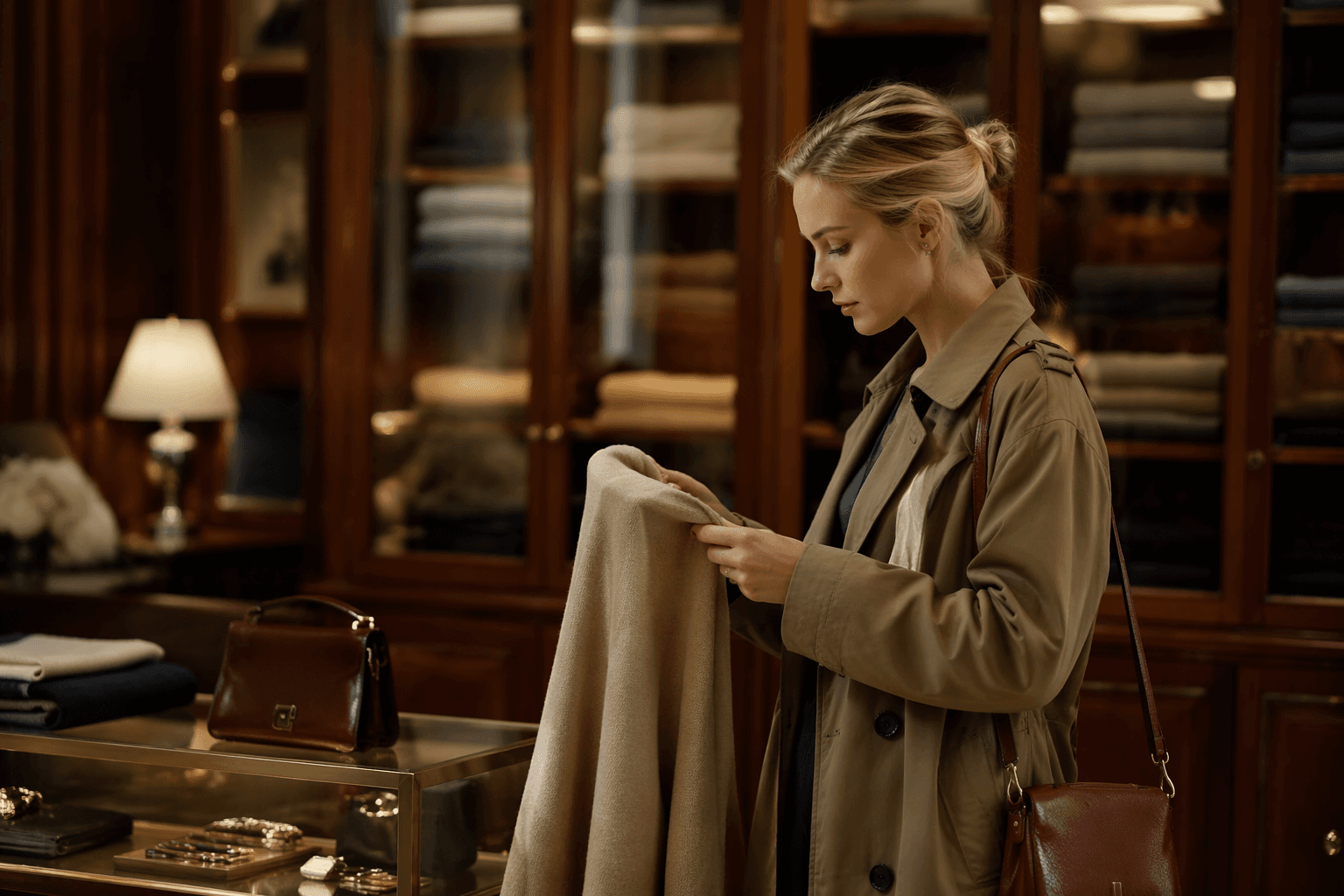
Old money fashion still works because it reads as restraint, but the meaning has shifted. What used to signal inherited ease now signals judgment: the ability to buy less, choose better, and make a wardrobe earn its keep through longevity and resale value. That is why the clean, muted, classic look has not disappeared, even as decorative maximalism has stolen some of the spotlight. The most desirable version of the aesthetic is no longer just polished. It has to look worth the money.
CNBC’s latest look at the category captures the tension neatly: fashion executives are still pushing sustainability, while shoppers are increasingly focused on low prices and value. In other words, virtue alone is not closing the sale. What matters now is whether responsible luxury can be made to feel like smart money, not moral theater.
Why the old money look still matters
Old money style is built on expensive materials, muted tones, and classic prep, with pieces meant to outlast a single season. That formula still carries weight because it offers something shoppers can justify even when they are skeptical of premium pricing: longevity. The style’s appeal is that it looks disciplined rather than flashy, which is exactly why it can survive periods when conspicuous consumption feels out of step.
The look also reflects a broader social split. One expert CNBC cited linked quiet luxury to a K-shaped recovery, where the wealthiest Americans ended up even better off than before. That matters because old money fashion depends on codes of exclusion and polish. It is not trying to shout. It is trying to look like it never had to.
What shoppers are actually rewarding
The market is telling brands that moral language is not enough on its own. Consumers are rewarding affordability, resale value, and durability, which is why investment dressing still has momentum while overt virtue branding meets resistance. If a piece feels practical enough to wear often and good enough to resell, it has a stronger case than something that simply advertises its ethical halo.
That is also why understatement remains commercially useful. The cleaner the silhouette, the easier it is to imagine across seasons and settings. A pared-back wardrobe can still feel aspirational, but only if it promises long wear and a decent second life in the resale market. In today’s luxury hierarchy, value is part of the status signal.
The numbers behind the shift
The broader fashion industry backdrop makes the turn toward value hard to ignore. McKinsey and The Business of Fashion said the global fashion market was headed for low single-digit growth, with sustainability only one pressure among many, alongside weak consumer confidence and a post-boom slowdown. By the 2026 edition, nearly three-quarters of executives expected to raise prices, up 19 percentage points from 2025, and 26% planned increases of more than 5%.
Luxury is feeling the same squeeze. Bain estimated total luxury spending at €1.48 trillion in 2024, a slight decline from 2023 at current exchange rates, while personal luxury goods fell 2% to €363 billion, the first contraction in 15 years outside the Covid period. Bain also said the luxury customer base shrank by about 50 million people over two years, a blunt reminder that even high-end fashion can no longer count on endless demand.
Why sustainability still stays in the room
There is a real environmental case for fashion’s sustainability push, even if shoppers are not always buying it as a lifestyle virtue. UNEP says the textile industry produces 2% to 8% of global greenhouse gas emissions and uses the equivalent of 86 million Olympic-sized swimming pools of water each year. That is not a branding problem. It is a regulatory, supply-chain, and climate-risk problem.
That is why sustainability keeps showing up in boardrooms even when it struggles on the shop floor. The conversation has moved from pure values to operational survival. A brand can use sustainability to reduce risk, protect margins, and future-proof its business, even if the average shopper is more persuaded by price, quality, and the promise that the piece will still look good in three years.
Pandora’s version of the argument
Pandora offers one of the clearest examples of how the logic works in practice. The Danish jewelry company said that by 2024 it used 100% recycled silver and gold in all its jewelry. Back in 2019, it said 98% of its silver grains and 100% of its gold grains already came from recycled metals. Since 2019, the company says revenue has grown 45% while emissions have fallen 17%.
That is the shape of modern responsible luxury: not purity, but performance. Pandora’s leadership has described the strategy as making the brand “future-proof,” while also acknowledging that most jewelry shoppers still care mainly about design and price. That tension is the point. Sustainability becomes more persuasive when it is attached to craftsmanship, desirability, and a business model that can survive the next cycle.
What to wear, and what to skip
If you want old money fashion to read as status now, lean into discipline rather than costume. The strongest pieces are the ones that look like they were chosen for decades of wear, not for a feed. Keep the palette quiet, the tailoring precise, and the finish immaculate.
- muted tones that feel expensive without being loud
- classic prep references with clean lines
- pieces that look durable enough to hold value
- investment items that can plausibly enter resale later
What to wear:
- anything that depends on logo noise alone
- trend pieces that age in one season
- virtue-signaling claims that do not improve fit, fabric, or longevity
- styling that tries too hard to prove wealth
What to skip:
The old money look survives because it has adapted to a tougher market. It no longer wins by pretending money does not matter. It wins by proving that money was spent well.
This article was produced by Prism’s automated news system from verified source data, official records, and press releases, then run through automated quality and moderation checks before publishing. The system is built and supervised by the people who set the standards it runs under. Read our full AI policy.
Did this article answer your question?