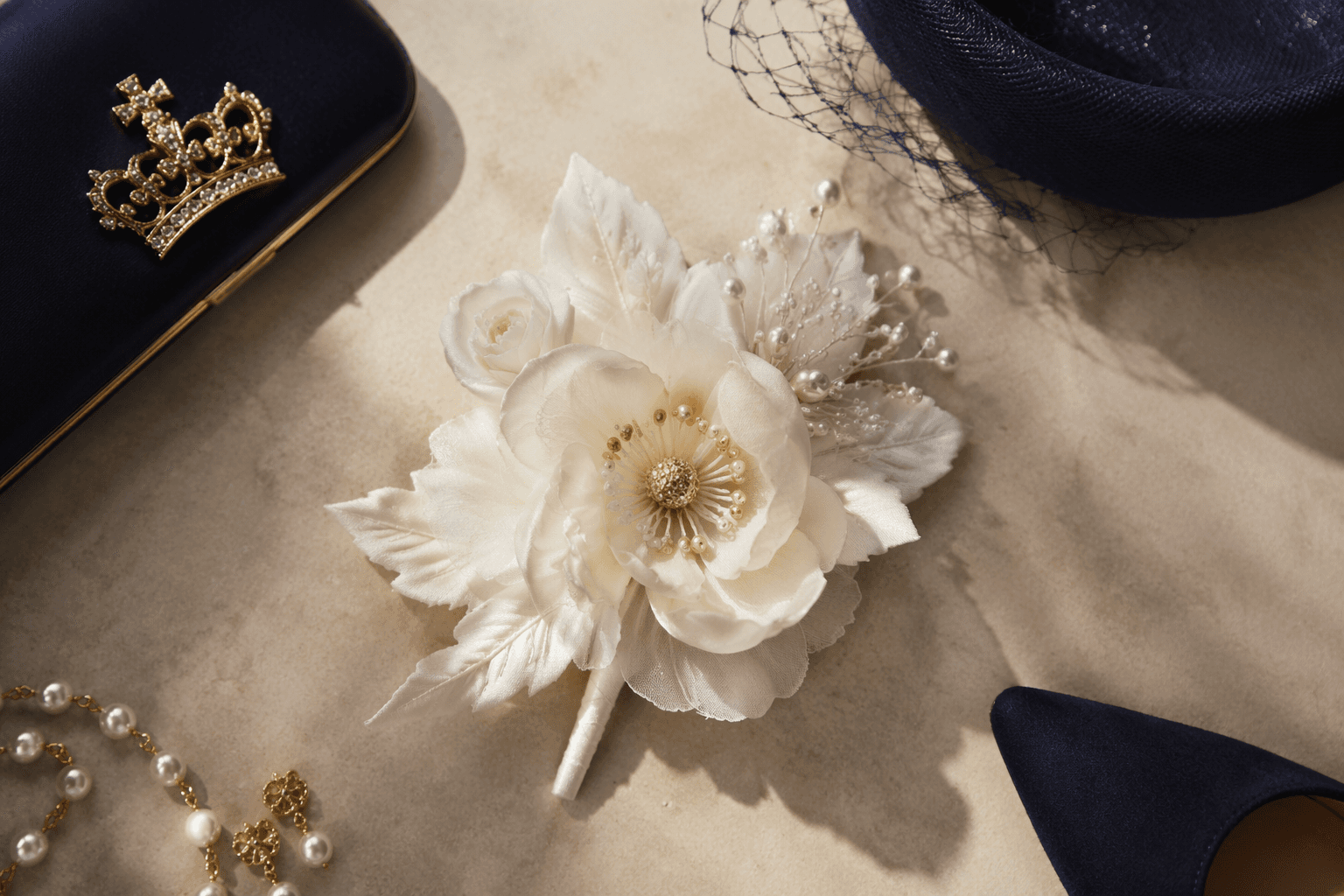
Old money shoes regain favor as shoppers return to offices and events
Old-money dressing is rebuilding from the ground up, with loafers and polished flats outrunning sneakers as office calendars and events return.

The smartest old-money shoe is no longer the one that disappears. Buyers at FFANY Market Week are leaning toward loafers, espadrilles, sandals, and other polished silhouettes because shoppers are dressing for offices and events again, and they want shoes that feel composed without sacrificing comfort. That shift says something bigger about the market: stealth wealth is giving way to a more visible, more functional idea of polish.
The return of visible polish
Footwear remains one of fashion’s brighter categories precisely because it solves a practical problem with style. Sandi Mines framed the demand clearly: people are back in offices, they are going to events, and they want new shoes that are both comfortable and stylish. In old-money dressing, that translates into shoes that can handle a full day without looking overworked, the sort of pieces that read as inheritance rather than impulse.
The most telling change is how little room there is now for sneaker dominance. Technical running and trail-running sneakers from Salomon and Merrell are still hitting a high point with active shoppers, but the broader signal is unmistakable: more polished, less sneaker-heavy footwear is gaining traction. Loafers are leading that pivot, and WWD’s spring 2026 trend coverage already positioned them as a major sneaker alternative for men. Boat shoes, pumps, and dressier silhouettes are part of the same move, and together they point to a wardrobe that wants structure back.
What the new old-money shoe rack looks like
The modern old-money closet is being rebuilt from the floor up, and footwear is doing the heavy lifting. Refined loafers are the anchor because they look authoritative with tailoring, relaxed enough with denim, and sharp enough to keep a look from feeling trend-chasing. Elegant flats play the same role in a softer register, especially when the day demands polish without heel height.
Discreet heels matter for the same reason. They add line and lift without the theatricality that has defined louder seasons, and they are the kind of purchase that earns repeated wear across dinners, meetings, and weddings. Investment boots belong in the same conversation, not because they are loud, but because they are the kind of durable, season-spanning buy that turns a wardrobe from reactive to settled. In other words, the new status signal is not flash. It is utility with discernment.
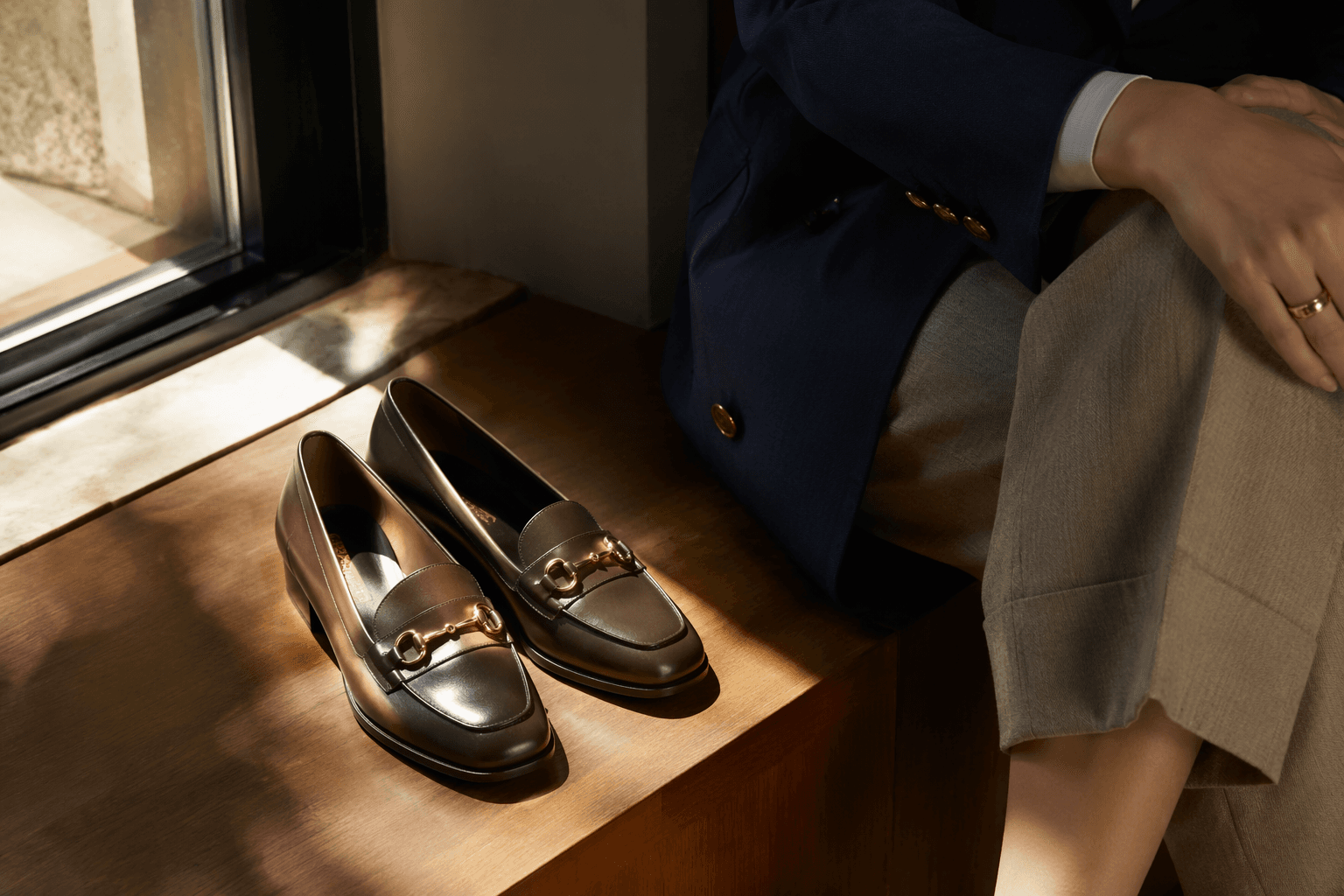
That is why old-money style is no longer only about heritage labels or minimalism. It is about shoes that signal belonging to a life with places to go: the office, the train platform, the gallery opening, the late dinner, the weekend lunch that still requires a certain finish. The best shoes in this mood do not look fragile. They look ready.
Why the market-week calendar matters
FFANY Market Week is not just a trade event. It is where store owners, buyers, and brands in New York City set assortments and gauge what will matter next season, and it happens four times a year. The 2026 calendar ran June 1 to 5, with later editions set for August 3 to 7 and November 30 to December 4. In a category where timing and inventory shape everything, that cadence gives the market a regular pulse check.
The trade-show role matters because footwear is still being bought in person, and in-person buying remains a useful read on what consumers actually want to wear. The event also offers brand discovery, education, and trend forecasts, which helps explain why the mood around FFANY has become such a useful barometer. If buyers are leaning into polished shoes there, the shift is likely to show up quickly in stores and, soon after, on the street.
The optimism comes with a hard edge
The demand story is strong, but it is not simple. AlixPartners and FDRA’s Spring 2026 U.S. Consumer & Executive Footwear Survey found that 65 percent of consumers abandoned a footwear purchase because their size was out of stock, a 91 percent year-over-year increase. Price remained the top reason at 67 percent. That combination says shoppers are still willing to buy, but they are far less tolerant of friction.

The same survey found consumer confidence at a record low 47.6 in April 2026, with 45 percent of consumers expecting the economy to worsen over the next six months. In practical terms, that means the old-money wardrobe is being assembled with more scrutiny. Shoppers are not browsing for novelty; they are looking for pairs that justify their price by doing serious work across a closet. Fit, finish, and versatility matter more when every purchase has to go further.
From tariff anxiety to a more confident showroom
The tone is also different from a year ago. June 2025 FFANY was dominated by tariff uncertainty, and buyers were holding back while they waited to see how orders and inventory would shake out. By December 2025, the mood had turned notably brighter, with FFANY describing that market week as the busiest in many years and reporting a record level of activity. That arc matters because it shows how quickly footwear can move from caution to momentum once shoppers begin feeling the need for newness again.
The current moment is less about chasing novelty than restoring a wardrobe hierarchy. Sneakers still have a place, especially in running and trail categories, but the old-money codes are being rewritten through shoes that look steadier, cleaner, and more deliberate. Loafers, elegant flats, discreet heels, and investment boots now carry the polish once reserved for stealth wealth, only with a little more visibility and a lot more utility.
What is replacing quiet luxury is not noise. It is clarity, and shoes are where that change is showing first.
This article was produced by Prism’s automated news system from verified source data, official records, and press releases, then run through automated quality and moderation checks before publishing. The system is built and supervised by the people who set the standards it runs under. Read our full AI policy.
Know something we missed? Have a correction or additional information?
Submit a Tip