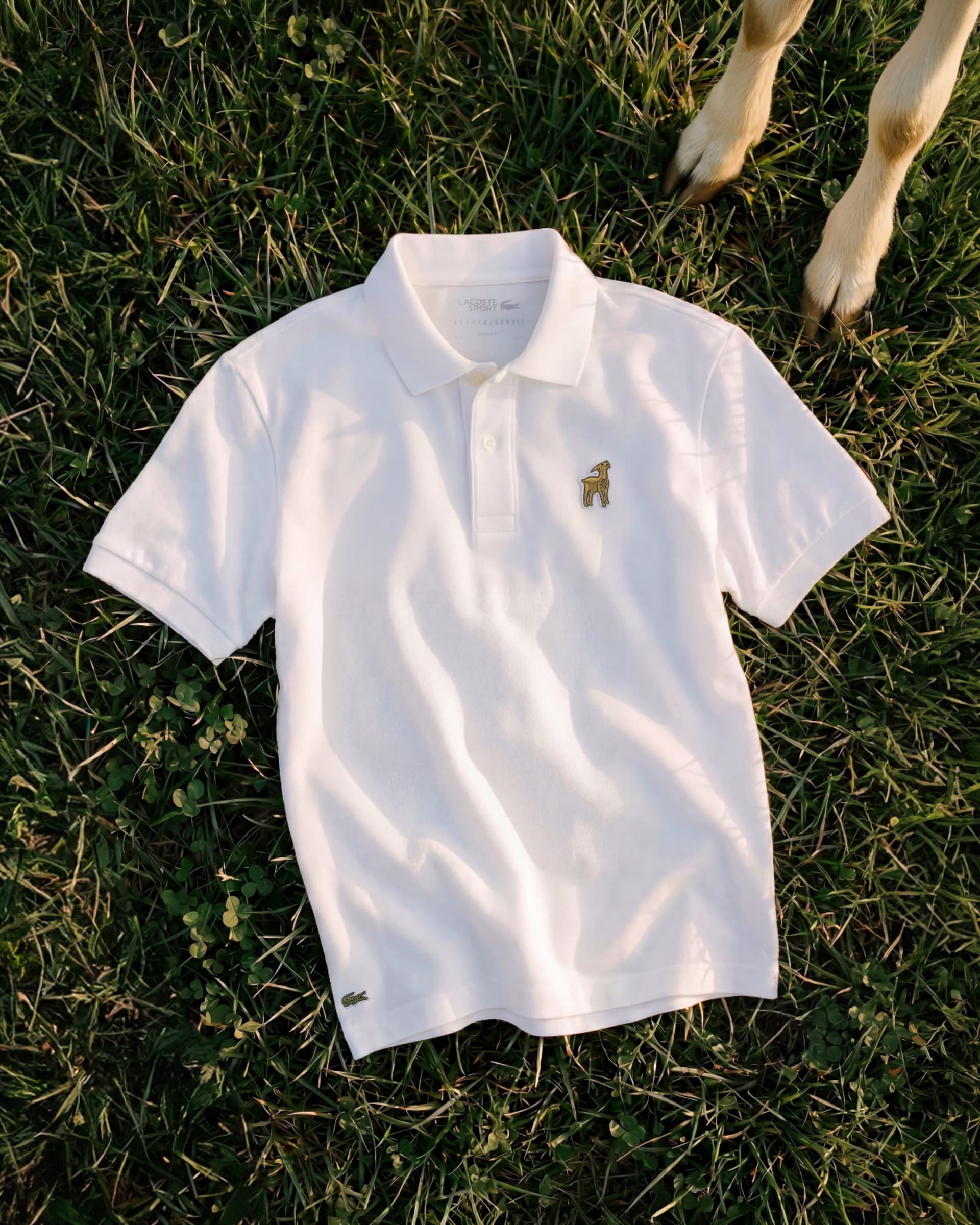
Old Money Staples Replace Eight Fading Spring 2026 Fashion Trends
Eight spring trends are fading, and the replacements read like a masterclass in old money dressing — understated, considered, and built to last.
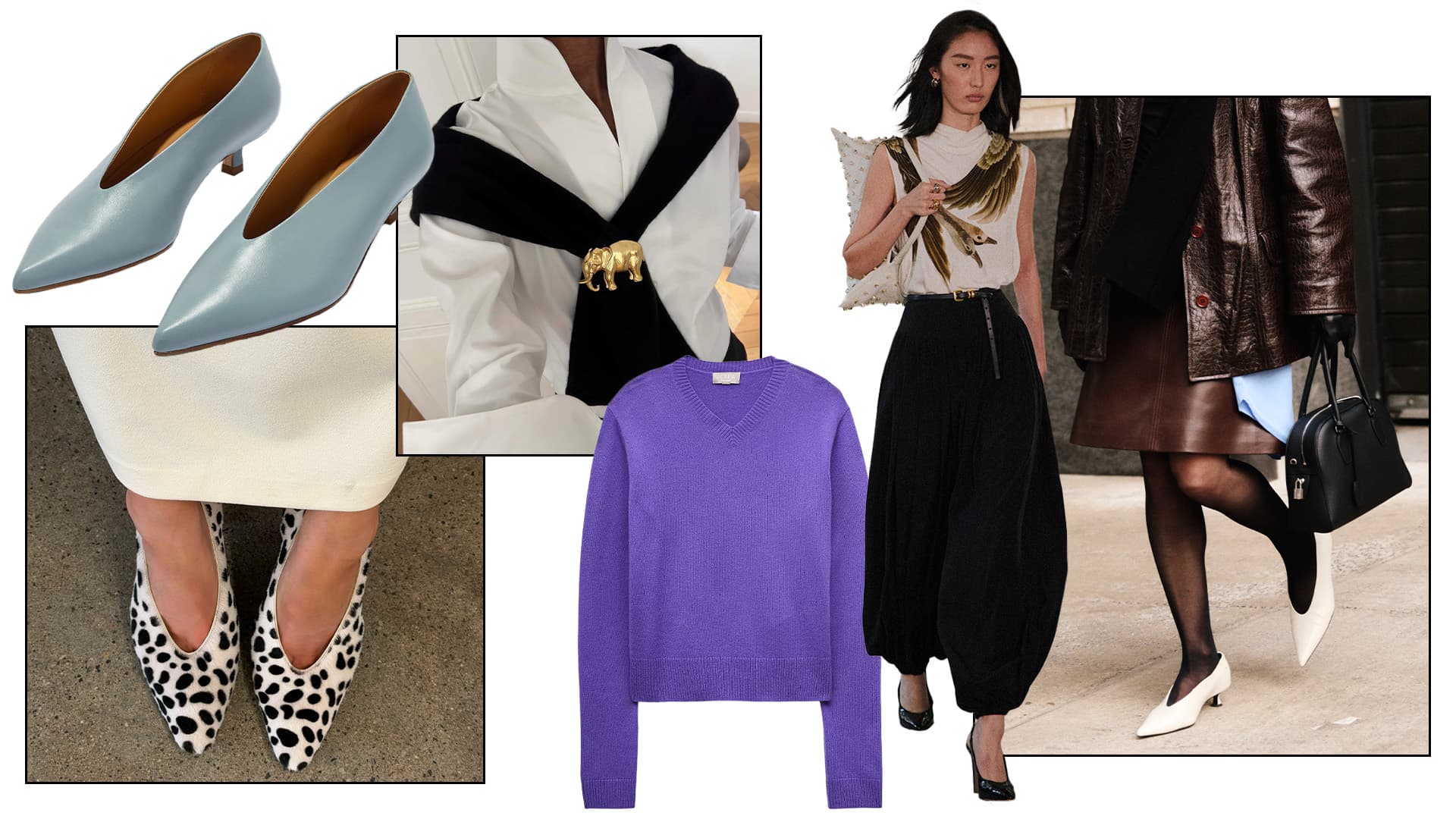
There is a particular satisfaction in watching fashion correct itself. After several seasons of maximalist noise, fast-trend churn, and micro-aesthetics that burned out before the ink dried on the trend reports, spring 2026 is shaping up as a quiet reckoning. Shopping editor Josephine Hadjiloucas recently catalogued exactly eight trends she considers finished for the season, and the replacements she championed read less like a forecast and more like a reminder: the wardrobe principles that old money dressing has always espoused are, once again, the most forward-looking position you can take.
What follows is a close reading of those eight pivots, and why each one matters beyond the seasonal churn.
Loud logomania gives way to considered anonymity
The impulse to broadcast brand allegiance through oversized logos has been losing credibility for some time, but spring 2026 formalizes its exit. The replacement aesthetic prioritizes pieces where craftsmanship does the talking: a perfectly weighted coat, a shirt cut with enough precision that its provenance is evident only to those who know. This is the foundational grammar of old money dressing, the idea that the clothes should signal nothing so crude as price, and everything as subtle as taste.
Hyper-trendy color palettes step aside for tonal restraint
Each season produces a "color of the year" moment that saturates every fast fashion rail within weeks. The pivot for spring 2026 moves away from that reactive approach and toward tonal, considered palettes: warm creams, oat linens, faded navy, and the kind of sage green that reads as botanical rather than on-trend. These are not colors that announce themselves. They are colors that age well, which is precisely the point when building a wardrobe with genuine longevity.
Statement athleisure yields to structured tailoring
The blurring of athletic and everyday wear served a purpose during years when comfort was the primary currency of dressing. That chapter is closing. The replacement silhouette is structured, with a nod to the kind of tailoring that has dressed generations of women and men who would never have thought to wear trainers to a lunch that mattered. Think single-button blazers with a clean shoulder line, trousers with a proper break, and the confidence that comes from clothes that hold their shape across the length of a long day.
Micro-trend dressing replaced by investment-piece thinking
Perhaps the most significant cultural shift on the list is the move away from chasing micro-trends entirely. The replacement is not another trend but a methodology: buying fewer pieces, buying better, and anchoring a wardrobe around items that carry their value season after season. This is old money thinking in its purest form. A cashmere crewneck, a well-cut trench, brogues with a leather sole that can be resoled twice before retirement. These are not exciting purchases in the way a viral TikTok find is exciting. They are satisfying in a quieter and more durable register.

Maximalist layering trades places with clean, spare silhouettes
The stacked-necklace, layered-print, more-is-more approach that dominated the past two or three seasons is being retired in favor of silhouettes with room to breathe. A single strong piece — a silk blouse in a warm ivory, a beautifully cut wide-leg trouser — allowed to carry an outfit without competition. The discipline required to resist adding one more thing is, it turns out, the hardest and most elegant skill in dressing. Old money wardrobes have always understood that restraint is a form of confidence.
Fast-fashion interpretations lose ground to quality fabrication
There is an accelerating fatigue with pieces that approximate luxury without delivering it: the slightly-off drape, the lining that pills after four wears, the button that pulls its threads loose by summer. The spring 2026 replacement is a renewed focus on how something is made as much as what it looks like. Fabric weight, construction details, the way a seam lies flat against the body: these are the criteria that matter when the trend cycle has nothing new to offer. Natural fibres, proper interfacing, and the small details that distinguish a garment from a costume.
Novelty prints step back for enduring patterns and solids
Seasonal novelty prints, the kind that feel urgent in February and dated by June, are ceding ground to patterns with genuine staying power. Narrow stripes. Windowpane checks. Classic tattersall. Solid grounds in the kind of colours already described above. These are not safe choices made from a lack of imagination. They are the result of understanding that a Breton stripe photographed in 1965 looks indistinguishable from one photographed this spring, which is exactly the kind of durability worth building a wardrobe around.
Trend-chasing accessories give way to heritage pieces
The final pivot is perhaps the most immediately actionable. The accessory landscape for spring 2026 moves decisively away from the season-specific bag or the footwear silhouette that exists only to announce currency with the current moment. The replacement is a return to heritage-inflected pieces with genuine craft behind them: structured leather bags with simple hardware, loafers with a proper welt construction, silk scarves worn with the kind of practiced casualness that takes years to develop. These are accessories that pre-date trends and will survive them.
Taken together, these eight shifts describe something larger than a seasonal edit. They describe a recalibration toward the kind of dressing that has always occupied the quieter, more assured end of the fashion spectrum. Josephine Hadjiloucas framed these as trend replacements, but what she has really outlined is a case for buying less, choosing better, and dressing with the long view in mind. That, in essence, is the old money argument. Spring 2026 is simply making it fashionable again.
This article was produced by Prism’s automated news system from verified source data, official records, and press releases, then run through automated quality and moderation checks before publishing. The system is built and supervised by the people who set the standards it runs under. Read our full AI policy.
Did this article answer your question?