Old money style elevates jeans and flats with heritage layers
Jeans and flats read old money when the denim is disciplined, the shoe is polished, and the layer on top feels inherited, not improvised.
Why this uniform works
Jeans and flats look simple until you get the proportions wrong. Get them right, and the outfit has the calm, expensive confidence of someone who never had to overthink getting dressed. AOL gets at the appeal in the bluntest way: jeans and flats are a routine pairing that still never fails, and the reason is history as much as styling.
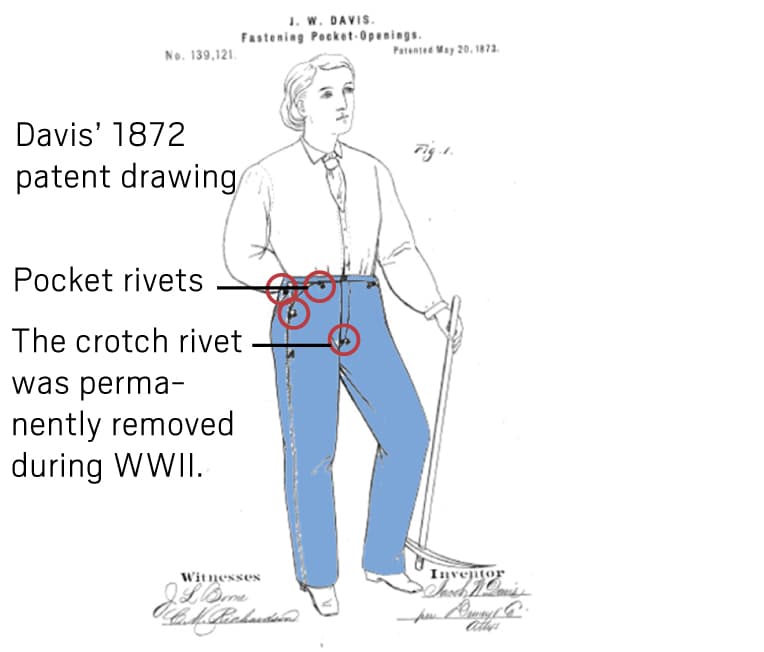
Levi Strauss and Jacob Davis received the blue-jeans patent on May 20, 1873, when denim was still workwear, not fashion shorthand. Flats have an equally useful pedigree. The Metropolitan Museum of Art traces the modern streetwear idea back to Claire McCardell’s 1953 collaboration with Capezio, which adapted soft ballet slippers for everyday life, with the design drawing on a shoe from 1800 to 1810. That lineage matters because it explains why flats can look polished, not flimsy, and why jeans with the right flat can read deliberate instead of casual.
What old money style is signaling now
The old money look is not just about being understated for the sake of it. CNBC linked the renewed appetite for quiet luxury, classic prep, and even mob wife to a post-Covid K-shaped recovery, which is a neat way of saying the style conversation has shifted toward visible polish and controlled taste. The point is not to disappear. The point is to look like you belong in a room without announcing it.
Ralph Lauren is still the cleanest shorthand for that code because Britannica describes his world as an elite American lifestyle that evokes English aristocracy through sporty East Coast energy. That is the sweet spot here: not stiff, not flashy, just assured. Jeans and flats can absolutely live inside that vocabulary, but only if the rest of the outfit carries the same inheritance.
Start with denim that has discipline
If the jeans are sloppy, the whole look collapses. Old money denim wants to look chosen, not grabbed off the chair. Think clean washes, controlled fading, and a silhouette that sits close enough to the body to look considered, but not so tight that it loses ease. Because blue jeans began as workwear, the richest-looking versions today are still the ones that keep that original honesty and skip the decorative noise.
The most reliable move is a straight leg in a steady blue wash. It has the structure of a trouser, which is exactly why it works with refined flats. A wider leg can work too, but it has to fall with intent, not puddle around the shoe. The hem is doing a lot of the heavy lifting here: too long and it looks careless, too short and it feels accidental. The best length grazes the top of the shoe or breaks once, cleanly, with no bunching.
A good shortcut is this:
- Choose a blue that looks even from hip to hem.
- Keep distressing, whiskering, and obvious fading to a minimum.
- Aim for a hem that looks tailored, not chopped.
- Let the leg shape stay calm enough to make the flats look intentional.
Pick flats that read polished, not precious
Flats are where this outfit either becomes chic or slides into schoolgirl territory. The Met’s McCardell and Capezio history is useful because it reminds you that flats were never meant to be fussy. They were meant to move through real life and still look composed. That is why the best pairs today usually have a sleek toe shape, a neat vamp, and a finish that feels more polished leather than novelty trend.
Who What Wear’s most dependable pairings are the ones that make sense at a glance: straight-leg jeans with loafers, wide-leg jeans with ballet flats. That is the balance point. Loafers bring structure and a little bite, which works beautifully when the denim is straighter and more tailored. Ballet flats soften a wider leg and keep the whole silhouette from feeling heavy.
NYLON’s useful warning is that the outfit has to feel elevated, not schoolgirl-like. That means skipping anything overly sweet, overly literal, or too decorative. The shoe should look like it belongs to a woman who knows where she is going, not to a costume rack.
Let the outer layer carry the heritage cue
This is where the outfit stops being basic and starts looking old money. The top layer should feel like it came from a life with good weekends, not a trend cycle. Think blazer, field jacket, trench, or a coat with a strong shoulder and a quiet finish. Wool, tweed, brushed cotton, and polished leather all help, because texture is doing what logos no longer need to do.
Ralph Lauren’s East Coast aristocratic-sporty reference point is the right mental model here. The outerwear should suggest club codes, riding grounds, prep school polish, or something inherited from a better closet. You want the jacket to make the jeans look like a choice, not a fallback. When a denim base is wrapped in that kind of heritage layer, the outfit suddenly has authority.
The formula that keeps it from looking lazy
The easiest old-money version of jeans and flats is not complicated, just exact. Start with a straight or slightly wide jean in a disciplined wash, choose flats that are sleek and polished, and finish with outerwear that has the weight and texture of something built to last. The pieces do not need to shout, but they do need to agree with each other.
That is the whole trick. Jeans are the democratic foundation, flats are the refined counterpoint, and the heritage layer on top gives the outfit its social temperature. Done right, the look does not try to be wealthy. It simply moves like it already is.
This article was produced by Prism’s automated news system from verified source data, official records, and press releases, then run through automated quality and moderation checks before publishing. The system is built and supervised by the people who set the standards it runs under. Read our full AI policy.
Did this article answer your question?