Old-money style gets a lift from easy spring-summer accessories
Old-money style is loosening up: texture, discreet shine, and woven details now do the heavy lifting. The polished pieces win; the overworked ones read like trend cosplay.
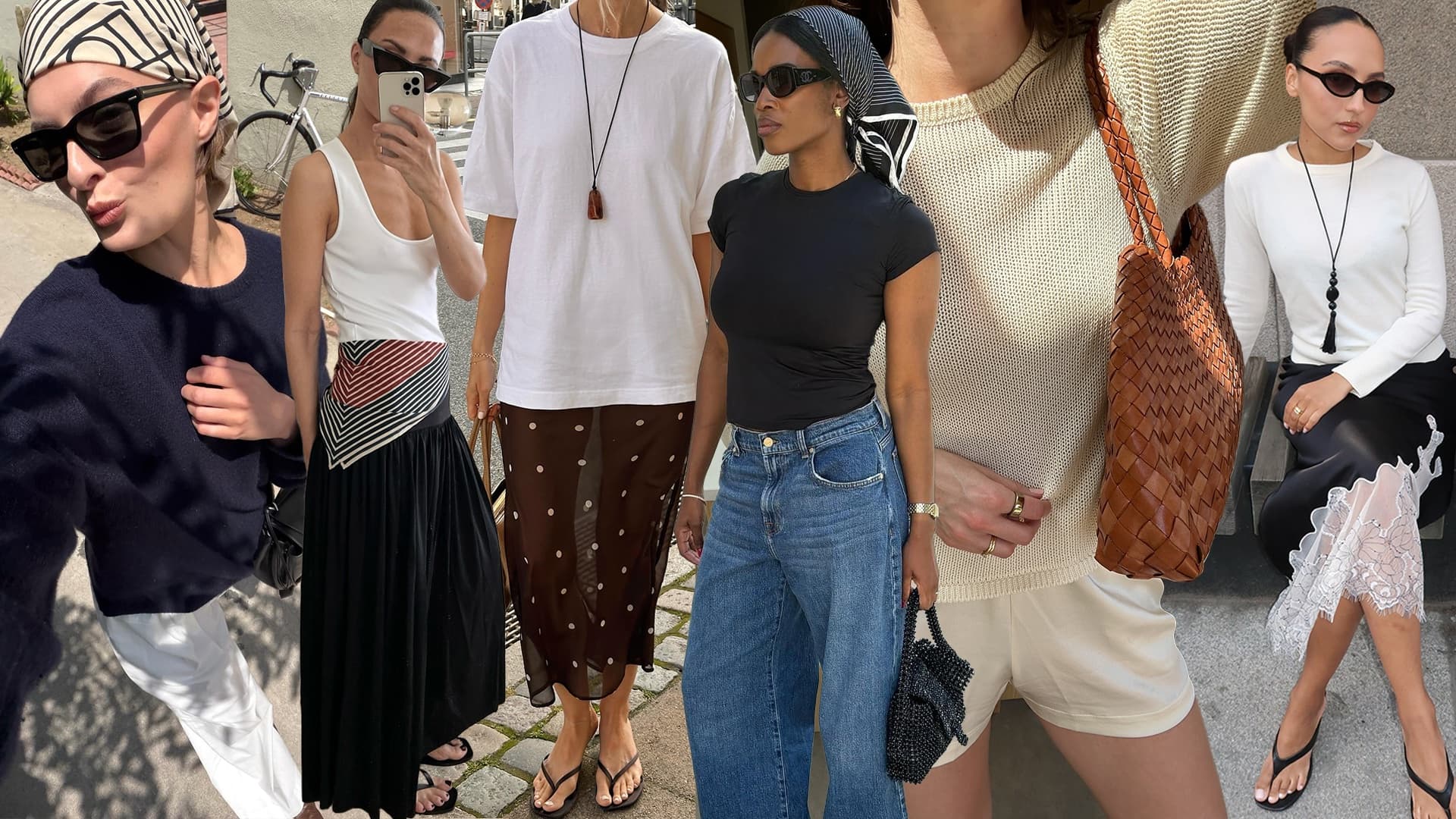
The old-money code is changing fast, and the giveaway is in the accessories. Instead of stripping everything back to mute basics, spring-summer dressing is leaning into pendants, scarves, woven bags, and belts with just enough attitude to make a plain outfit feel considered. That shift matters because the look still signals restraint, but now it does it through texture, finish, and shape rather than silence.
Why the old-money wardrobe suddenly wants more
This is not a random styling mood swing. CNBC tied the rise of old-money style to the current economic climate and the K-shaped recovery, while Who What Wear has linked the aesthetic to widening wealth gaps, inflation, and stagnant wages. In that context, the appeal is obvious: polished pieces that look intentional without screaming for attention.
That is why the new accessories story feels more useful than another quiet-luxury sermon. Fashion is moving away from restraint for restraint’s sake, and the best spring-summer add-ons let you keep the same tailored trousers, crisp shirting, and clean knits while changing the read completely. A simple outfit stops looking plain and starts looking edited.
The accessories that actually work
Long pendant necklaces are leading the charge because they add motion without clutter. Who What Wear flagged them as a spring 2026 trend at New York Fashion Week, where Michael Kors showed wallet necklaces and Coach pushed abstract-stone pendants. The old-money way to wear them is not layered chaos: one pendant, low enough to elongate the line of a button-down or fine-gauge knit, with the rest of the jewelry kept almost invisible.
Headscarves are doing similar work, but with more polish and history. They tap into Old Hollywood, royalty, and midcentury glamour, which is exactly why they never feel overly try-hard when the fabric is right. A silk scarf tied at the nape, under the chin, or tucked under a trench collar reads far more expensive than a pile of trend-led extras. Keep the print disciplined, the knot neat, and the rest of the outfit calm.
Woven bags are the strongest old-money bet because they bring texture that already feels established. Who What Wear points to basket bags carried by Jane Birkin in 1969, Chanel runway references, and Bottega Veneta’s Intrecciato, which marked its 50th anniversary in 2024. Marie Claire UK also noted basket and raffia bags back on the radar at Loewe, Miu Miu, JW Anderson, and Saint Laurent for summer 2026, which tells you this is not just a street-style whim. The conservative move is a structured woven tote or basket shape with clean lines, not a floppy novelty version that looks borrowed for the photo.
Bucket hats are the trickiest item in the mix, because they can either soften a wardrobe or drag it straight into fashion-person territory. In the old-money context, the safest version is plain, neutral, and almost functional, more country-club practicality than festival styling. If the hat becomes the loudest thing you are wearing, it has already gone too far.
Standout belts are also back, and this is where the old-money look gets some backbone. Who What Wear says statement belts with high-impact buckles are a major 2026 accessories direction, and the key is proportion: the buckle should register, but not dominate. Worn over high-waisted trousers, a soft blazer, or a long skirt, a sharper belt gives structure to otherwise easy spring dressing.

Scarf belts are the sleeper hit because they turn one accessory into two. Who What Wear’s broader trend coverage says ornate details are showing up on cord belts, silk scarves, and satin skirts, which makes the scarf-belt move feel part of a wider return to finishing touches. The best version is slender and deliberate, with the fabric tied once and left to fall cleanly. Anything too voluminous starts to feel theatrical.
How to keep it conservative instead of costume-y
The difference between elegant and performative is mostly restraint. The old-money version of this trend works when each piece looks like it could have been owned for years, even if it was just bought yesterday. That means muted color, honest materials, and one focal point at a time.
- Choose texture over shine. Woven leather, raffia, silk, and polished metal feel right. Plastic-y finishes do not.
- Let one accessory carry the outfit. A pendant necklace can do the job on its own. So can a scarf or belt. You do not need all three.
- Keep the silhouette clean. A headscarf works best with a crisp shirt or sleeveless knit. A woven bag looks strongest against tailored trousers or a straight skirt.
- Stay close to the classics. J.Crew, Nordstrom, Zara, and Revolve are already translating the trend into shopping edits, which makes it easier to test without leaving the old-money lane.
The bigger change is that accessories are no longer supporting actors. They are doing the talking now, and in 2026, the smartest old-money wardrobe is the one that knows when a woven bag, a discreet pendant, or a sharp belt is enough to change the whole read.
This article was produced by Prism’s automated news system from verified source data, official records, and press releases, then run through automated quality and moderation checks before publishing. The system is built and supervised by the people who set the standards it runs under. Read our full AI policy.
Did this article answer your question?