Old money style in the Hamptons favors restraint over logos
In the Hamptons, old money reads as restraint: faded polos, worn loafers, and logos kept out of sight. The real signal is ease, not expense.

The sharpest Hamptons style move is not a fresh logo or a louder label. It is the quiet refusal to look like you are trying at all. That is the tension running through the season’s old money code: real wealth signals through wear, fit, grooming, and posture, while overexplained branding reads as new, eager, and slightly off.
Social Life Magazine’s June 6 field guide captures the mood perfectly with the line, “Old money speaks in tells, not labels.” In the Hamptons, those tells are visible in faded polos, worn loafers, unbranded polish, and the kind of ease that makes a look feel inherited rather than assembled for social media.
What the code actually looks like
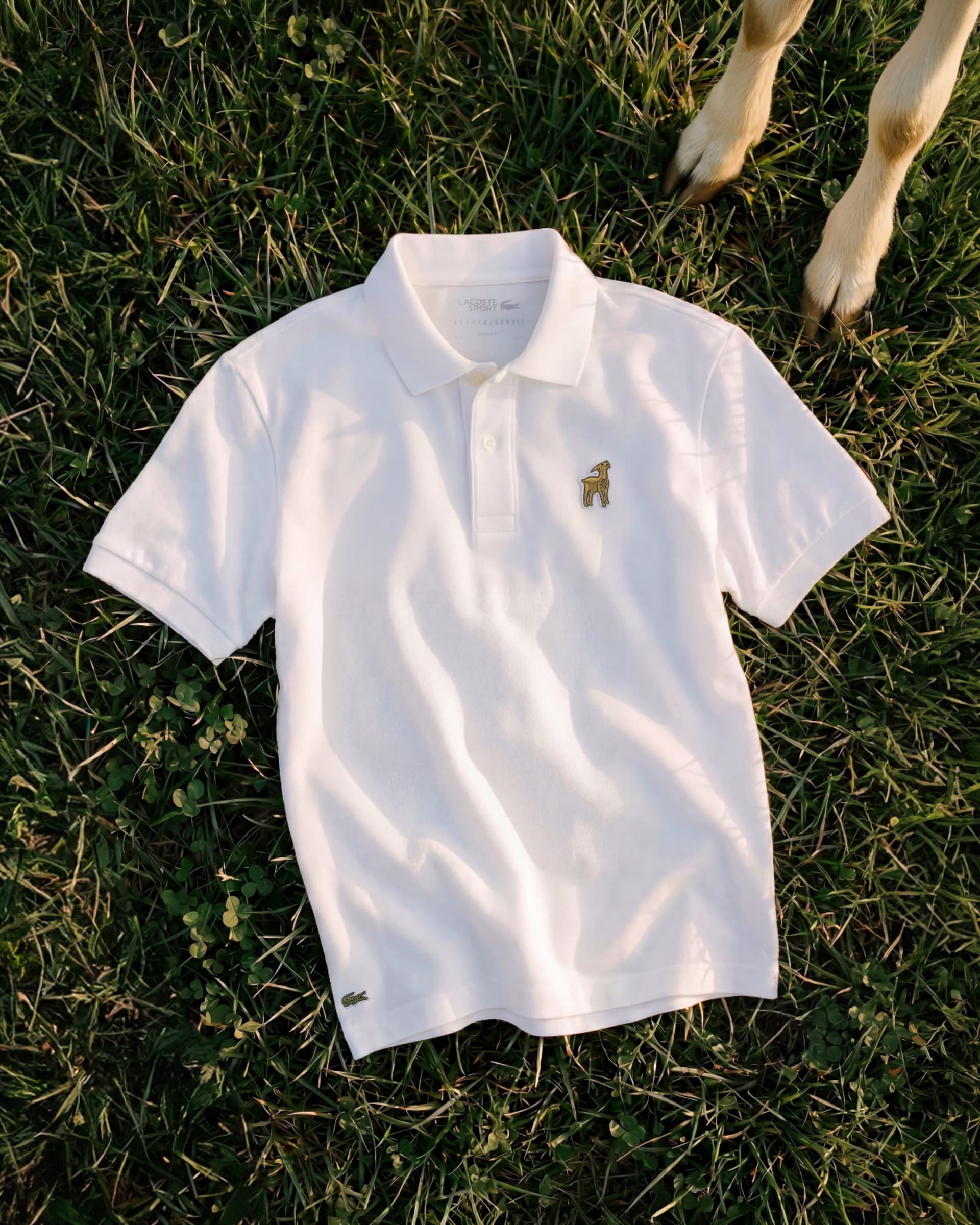
Old money in the Hamptons is not about immaculate newness. It is about clothes that have already lived a little, and about how they sit on the body once the owner has stopped announcing them. A polo that has softened at the collar, trousers that break cleanly without looking pressed into stiffness, loafers scuffed in a way that feels natural, all of it signals familiarity with the wardrobe rather than reverence for it.
The strongest version of this look is almost anti-performative. Hair is neat but never overworked, skin looks cared for without screaming routine, and posture does more work than styling tricks ever could. The point is not to look underdressed. The point is to look unbothered by proving anything.
- Wear that looks broken-in reads as privilege when it is balanced by care.
- Logos, when they are loud, read as effort.
- Fit matters more than novelty. A good shoulder line and an easy trouser leg say more than a visible brand name.
- Grooming should look exact, not edited for approval.
A useful way to read the difference is this:
That is why logos feel wrong in this setting. Social Life’s Hamptons framing is blunt about it: quiet luxury there is “codes money can’t fake,” and logos read as new. In other words, the most expensive thing in the room is often the least explained.
Why the label keeps changing, but the behavior does not
The language around this look has shifted fast. Business Standard said quiet luxury gained prominence in fashion in 2023, and CNBC reported in April 2024 that the idea was alive under a new name: “old money style.” The labels may change, but the meaning stays stable. The market keeps circling the same question: how do you look expensive without looking like you are advertising expense?
That question matters because the style is tied to a broader social mood. Quiet luxury, classic prep, old money styling, and even mob wife dressing were all being grouped as reactions to a more unequal post-pandemic economy. Fashion did not suddenly become subtle for aesthetic reasons alone. It became subtler because overt display started to feel clumsy, even politically noisy, in a culture newly alert to status games.
The Hamptons version sharpens that instinct. Out East, dress codes reward fluency over spending. The person who knows when to stop is still the person who looks richest.
The old roots of a very current look
This is not a newly invented coastal mood board. The Hamptons code sits inside a long American prep tradition that stretches back to Ivy League style and the rise of The Official Preppy Handbook, published in 1980 as a satire of privileged Ivy League life. Before “old money style” became a searchable phrase, prep had already taught American fashion to treat understatement as a status marker.
Ralph Lauren made that lesson mass-readable when he launched Polo in 1967. The brand took Ivy and English-country cues and translated them into something aspirational enough for the wider market to copy. That matters now because the Hamptons still runs on the same grammar: heritage references, restrained color, and an ease that looks accidental only when it has been inherited or practiced for years.
Marketplace traced the deeper shift even further back, noting that Ivy clothing became a mid-20th-century phenomenon before evolving into preppy style. The lesson is simple. What looks effortless today has been trained by decades of elite dress codes, then flattened into a language everyone recognizes.
Why brands are backing away from the billboard
The present luxury cycle is also part of the story. Brands have been leaning back toward heritage, recognizable design, and understatement rather than overt logo display, which is exactly why old money styling feels newly persuasive again. Even Burberry, Forbes reported in May 2026, has been leaning into heritage and understated design as Americans embraced a Cotswolds-inspired look. The smart move in luxury right now is not shouting identity. It is implying continuity.
That shift explains why the Hamptons remains such a potent stage for this aesthetic. Social Life Magazine’s summer coding of the area is all about the recalibration from display to fluency. The clothes still matter, but the real distinction now lies in whether the wearer understands how little needs to be said.
How to recognize the difference between lived-in ease and costume
The fastest way to spot the difference is to look for contradiction. Real old money style can include expensive clothes, but it rarely looks eager to prove they are expensive. A costume built for social media tends to overcorrect: too many logos, too much grooming, too much shine, too much precision without ease.
Lived-in elegance has a different rhythm. Fabric softens. Leather clouds at the edges. A polo loses the stiffness that comes from first wear. Nothing appears new for long, and nothing appears chosen to impress a stranger standing three feet away.
That is the real marker in the Hamptons: not price, but indifference to proving status. The style rewards familiarity, restraint, and longevity over novelty, branding, or visible spending. In a season full of loud signals, old money still wins by looking as if it never needed to try.
This article was produced by Prism’s automated news system from verified source data, official records, and press releases, then run through automated quality and moderation checks before publishing. The system is built and supervised by the people who set the standards it runs under. Read our full AI policy.
Did this article answer your question?