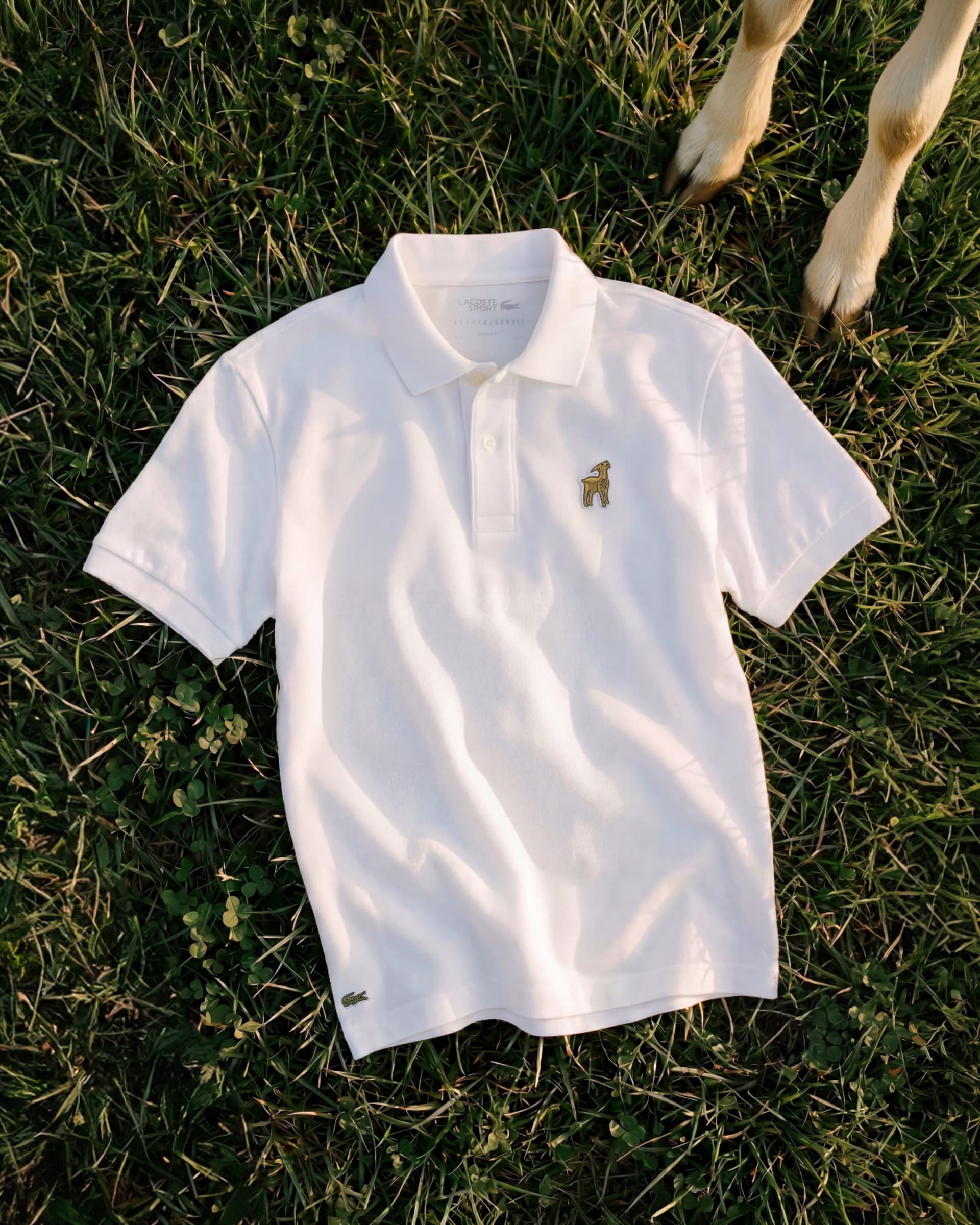
Old money style returns as fashion turns books into status symbols
Books are the new old-money badge: Dior and Coach are turning reading into a polished status signal, and the question is whether it is taste or theater.

Quiet luxury has not disappeared; it has picked up a library card. In fashion’s latest status pivot, books are doing the work that logos used to do, signaling taste, patience and cultural capital in a way that feels almost subversive in an AI-saturated moment. Dior and Coach are reading the room with remarkable precision, translating literature into a visual code that says less logo, more library.
The new old-money code
Old money style has always relied on recognition by the initiated. The monogram was never the whole story; the sharper flex was the thing that suggested private schooling, long lunches and a life organized around culture rather than noise. Now that shorthand is shifting again, and the printed book has become the most elegant prop in the room.
That is why this trend lands harder than a seasonal gimmick. Books imply discernment, long-form attention and intimacy with culture, all qualities that feel newly precious in a digital landscape built on speed, feeds and algorithmic blips. Fashion is no longer borrowing book imagery just for decoration. It is using reading itself as a social signal, and that changes the meaning of the accessory.
Dior makes the library look like couture
Dior has been building this argument for years. Maria Grazia Chiuri reintroduced the Dior Book Tote to modern audiences in Spring 2018, and the silhouette quickly became a canvas for identity rather than just a carryall. By the time the house unveiled its Book Tote Club in Spring 2024, the message was clear: reading was part of the aesthetic, not an afterthought.
That campaign brought Natalie Portman into the frame and was shot by Marion Berrin in the Salle Labrouste, the main reading room of the French National Library in Paris. The setting mattered. It gave the Book Tote a scholarly aura, placing a fashion object inside one of the most resonant rooms of French intellectual life. Even Dior’s Fall 2024 ready-to-wear show in New York, presented on April 15, 2024, felt like part of the same continuum, with the house folding culture, self-image and clothes into one polished narrative.

Jonathan Anderson sharpened that language further when he presented his debut collection for Dior’s full universe of collections at the Men’s Summer 2026 show on June 29, 2025. Then came the Spring/Summer 2026 Book Cover Collection, which pushed the idea into even more literal territory. The line borrowed from Dracula, Ulysses, Les Liaisons dangereuses, Madame Bovary, In Cold Blood, Les Fleurs du Mal and Bonjour Tristesse, with 070 Shake fronting the campaign. Dior was not just referencing literature. It was staging books as emblems of taste, memory and intellectual range.
Coach turns self-expression into a reading list
Coach has taken a different route, but the strategy is just as deliberate. Its Spring 2026 campaign, “Explore Your Story,” centers the Tabby bag and a new set of 12 readable book charms, making the book itself a literal accessory. The collection is framed around self-expression and storytelling, and Coach says it was shaped by global Gen Z listening and co-created with communities worldwide, with cultural partnerships spanning the United States to China.
The charms are the cleverest part. They are miniature leather-bound books that open to reveal legible pages, which means the joke is not just that they look like books, but that they function like tiny declarations of taste. Among the titles are Jane Austen’s Sense and Sensibility and Maya Angelou’s I Know Why the Caged Bird Sings, two works that carry very different but equally legible forms of literary prestige. Coach is selling a bag story here, but it is also selling a reading life.
That distinction matters. A logo can signal access, but a title signals judgment. The Tabby still does the handbag work, yet the charms make the bag feel curated rather than branded, which is exactly where old-money style has been moving.
The original collector’s object
Before luxury houses made books into campaign language, Olympia Le-Tan had already understood the appeal. Since 2009, the label has been creating hand-embroidered book clutches, building a cult niche around the idea that a book cover can become a collector’s object in its own right. The craftsmanship is part of the point: embroidery slows the joke down, turning pop culture and literary reference into something precious, witty and meticulously made.
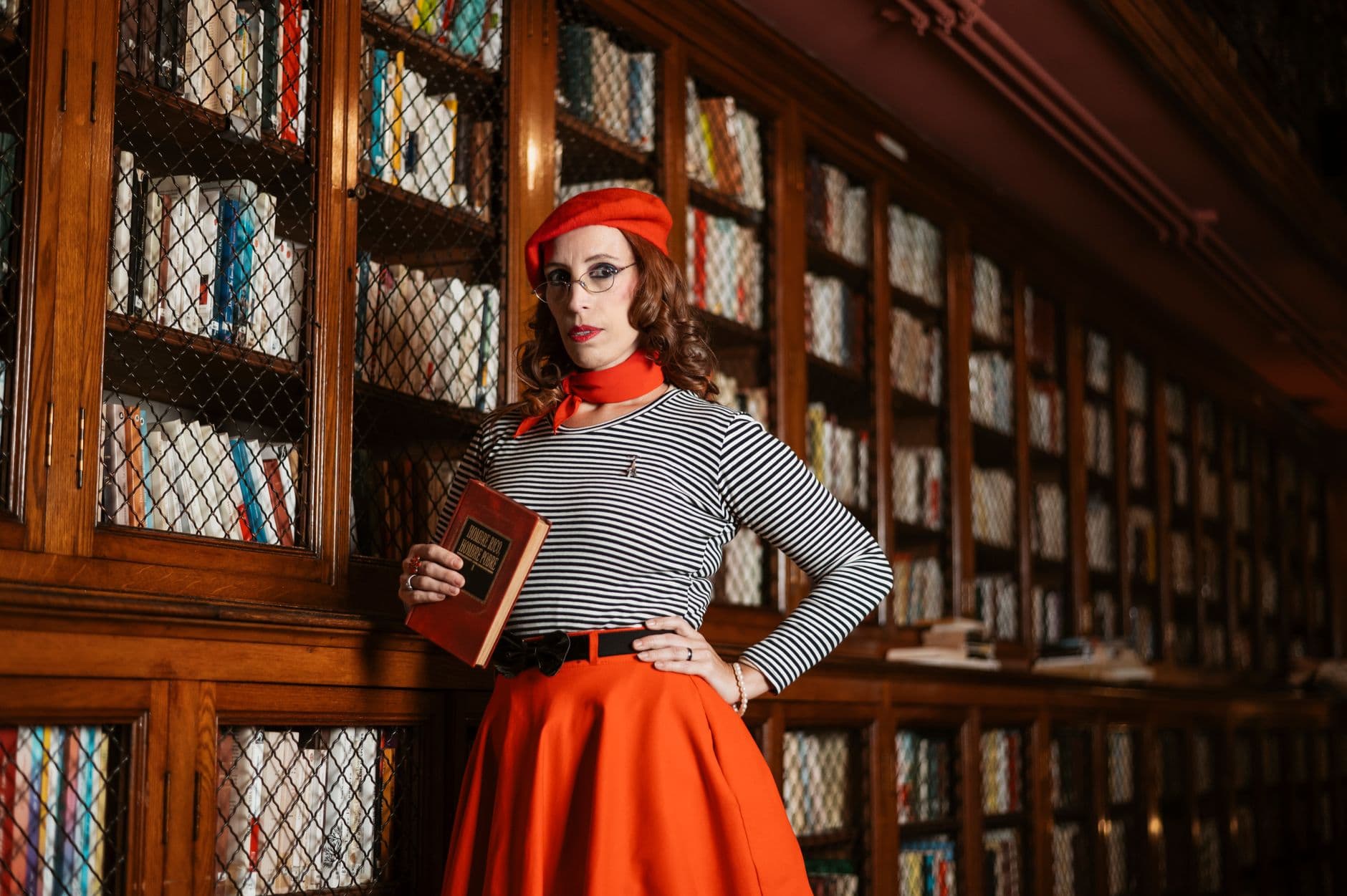
That history gives the current moment context. Dior and Coach are not inventing bookish fashion from scratch. They are entering a lane that has long treated the printed book as both costume and credential, and they are doing it at a scale that turns a niche gesture into a broad cultural code.
The wider ecosystem helps explain why the look resonates now. Publishing and media names such as Penguin Random House, Hello Sunshine and Sunnie Reads sit in the same orbit as style figures including Reese Witherspoon, Dua Lipa, Laufey and Kaia Gerber, helping keep reading visible as part of modern taste-making. In that world, a shelf, a stack or a worn paperback is no longer background detail. It is branding.
Patronage or polished performance
This is where the story gets interesting. Fashion is reaching for books because books imply patience, and patience is one of the rarest luxury goods left. But there is also a harder question underneath all the literary romance: is this genuine patronage of taste, or a polished performance of intellect designed to flatter a consumer who wants to look thoughtful as well as rich?
The answer may be both. Heritage houses like Dior know that cultural capital still sells, and brands like Coach know that younger consumers want objects that say something personal rather than merely expensive. The smartest old-money signal in 2026 is not a logo on repeat. It is a book you seem to have read, a reading room you seem to belong in, a story you seem able to tell.
That is why the book has returned as fashion’s most refined status symbol. It suggests money, certainly, but also taste, attention and the increasingly rare ability to linger over something long enough to make it matter.
This article was produced by Prism’s automated news system from verified source data, official records, and press releases, then run through automated quality and moderation checks before publishing. The system is built and supervised by the people who set the standards it runs under. Read our full AI policy.
Did this article answer your question?