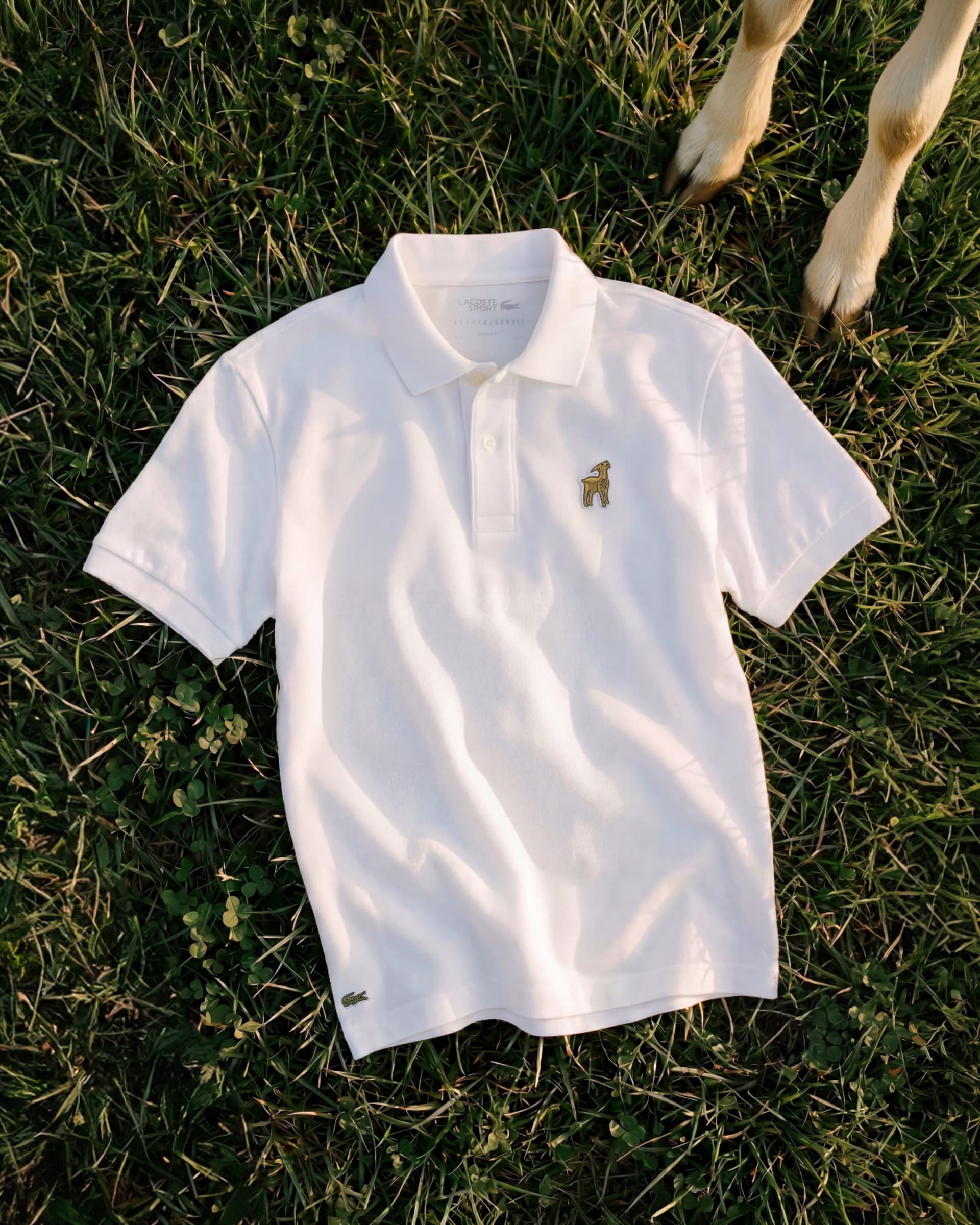
Old money style turns brighter with red-and-blue summer dressing
Old money dressing is trading beige for disciplined red-and-blue pairing, from a single shoe swap to full color blocking, and the result still reads polished.

Old money dressing is not so much abandoning neutrals as learning how to interrupt them with intent. Marie Claire UK’s June 13 shopping story makes that case through a red-and-blue formula that runs from a single shoe swap to full primary color blocking, and the appeal is precisely its restraint. This is a brighter kind of quiet luxury, one that keeps its posture but loosens its palette.
The quiet-luxury correction
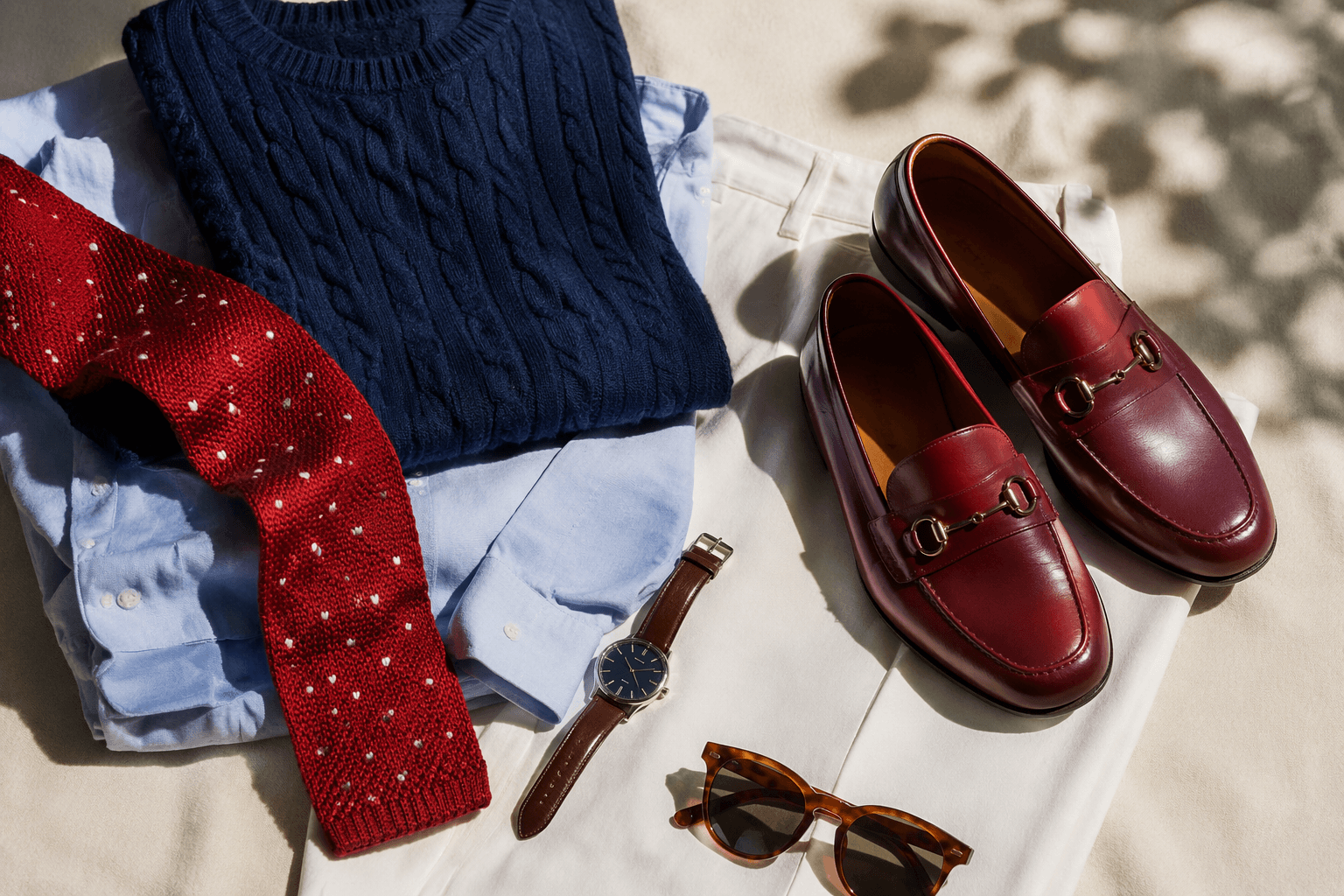
The strongest version of this look does not announce itself with excess. It starts with the familiar bones of patrician style, crisp shirting, a polished loafer, a navy knit, a tailored trouser, and then lets one saturated note do the work. That is why the red-and-blue pairing feels like a correction rather than a rebellion: it keeps the silhouette composed while giving the eye something sharper to land on.
There is also a deeper reason the combination feels right for old-money dressing. Red and blue already belong to the wardrobe language of regimental ties, nautical uniforms, and prep iconography, so the colors carry inheritance, not novelty. A red flat with ivory trousers, a cobalt scarf over a cream trench, or a striped knit that brings both shades together reads far more patrician than a full-on dopamine wardrobe ever could.
Why the palette now feels more 2026 than beige ever did
Pantone Color Institute’s Spring/Summer 2026 Fashion Color Trend Report, released for New York Fashion Week on September 11, 2025, frames the season around individual expression and “a very new way of putting colors together.” The report’s top ten standout colors are built from familiar shades pushed against more vibrant, stimulating ones, which is exactly why red and blue suddenly feel less like a gimmick and more like a system. The message is not that polish has disappeared, only that polish has become less monochrome.
That shift matters because it places the red-and-blue story inside a broader swing away from beige-and-camel minimalism. Marie Claire UK’s wider fashion coverage has been steering readers toward “new season trends” and runway-led shopping choices, and the tone across the season is clearer now: quiet luxury is being updated, not discarded. Even Pantone’s Autumn/Winter 2026/2027 forecast, released February 11, 2026, leans into the same tension by balancing restrained opulence with modernity.
From the runway to real life
The combination is not living only in shopping pages. Who What Wear spotted red-and-blue styling at Celine, Jil Sander, Loewe, and Prada, which tells you the pairing has already moved from a clever styling trick into a runway-wide idea. When the same color story appears across that many houses, it stops feeling like a trend snippet and starts feeling like an aesthetic shift.
Marie Claire’s U.S. fashion coverage is tracking the same movement through color names that sound less hushed and more decisive: tomato red and cobalt blue. Those shades feel important because they are neither pastel-soft nor aggressively neon. They hit the sweet spot old-money style can tolerate, where the palette is vivid but the finish still feels controlled.
Katie Holmes gave the idea a street-style face on April 15, 2026, when she wore strawberry red and sky blue together. The look worked because the colors were bookended by cool-girl basics, which is the key editorial lesson here: if the outfit is too engineered, the pairing starts to feel costume-y. If the shape stays simple, the colors feel like a private code.
How to wear it without losing restraint
The smartest way into this story is not to rebuild your closet around color. It is to make one controlled swap and let the rest of the outfit stay calm. That might mean a red shoe against navy tailoring, a cobalt knit under a camel coat, or a striped scarf that pulls both shades into a look that still reads disciplined.
A useful rule of thumb:
- Keep the foundation in navy, white, cream, black, or camel.
- Let red or blue take the lead, then use the other as punctuation.
- Choose one visible pivot point, a shoe, knit, scarf, or stripe, instead of layering every bright thing at once.
- If you want more drama, move from the accessory level to a blocked top-and-bottom combination, but stop before the look turns decorative.
That graduated approach is what makes the trend feel old-money rather than performatively fashion-led. A red loafer can refresh a linen suit without upsetting its social code. A cobalt sweater over tailored shorts can register as thoughtful rather than loud. Even a narrow stripe, if the cut is immaculate, can carry the whole idea.
Why the red trend keeps getting bigger
The current moment did not appear out of nowhere. Marie Claire UK had already described red as a spring-summer trend in 2025, calling it bigger, bolder, and better, so the 2026 update reads like an escalation rather than a reset. Single-color statement dressing has given way to a more deliberate two-color formula, which is why the new look feels smarter than a simple splash of red ever did.
That progression is what makes the story compelling for old-money style. The palette is getting brighter, but the attitude remains controlled, which is the difference between taste and trend-chasing. Red and blue are not replacing quiet luxury so much as restoring motion to it, giving heritage dressing enough color to feel current without losing the polish that made it desirable in the first place.
This article was produced by Prism’s automated news system from verified source data, official records, and press releases, then run through automated quality and moderation checks before publishing. The system is built and supervised by the people who set the standards it runs under. Read our full AI policy.
Did this article answer your question?