Old money style turns sharper, more tactile for 2026
Quiet luxury is getting a harder edge. In 2026, old money reads best through texture, tailoring, and accessories with real provenance.
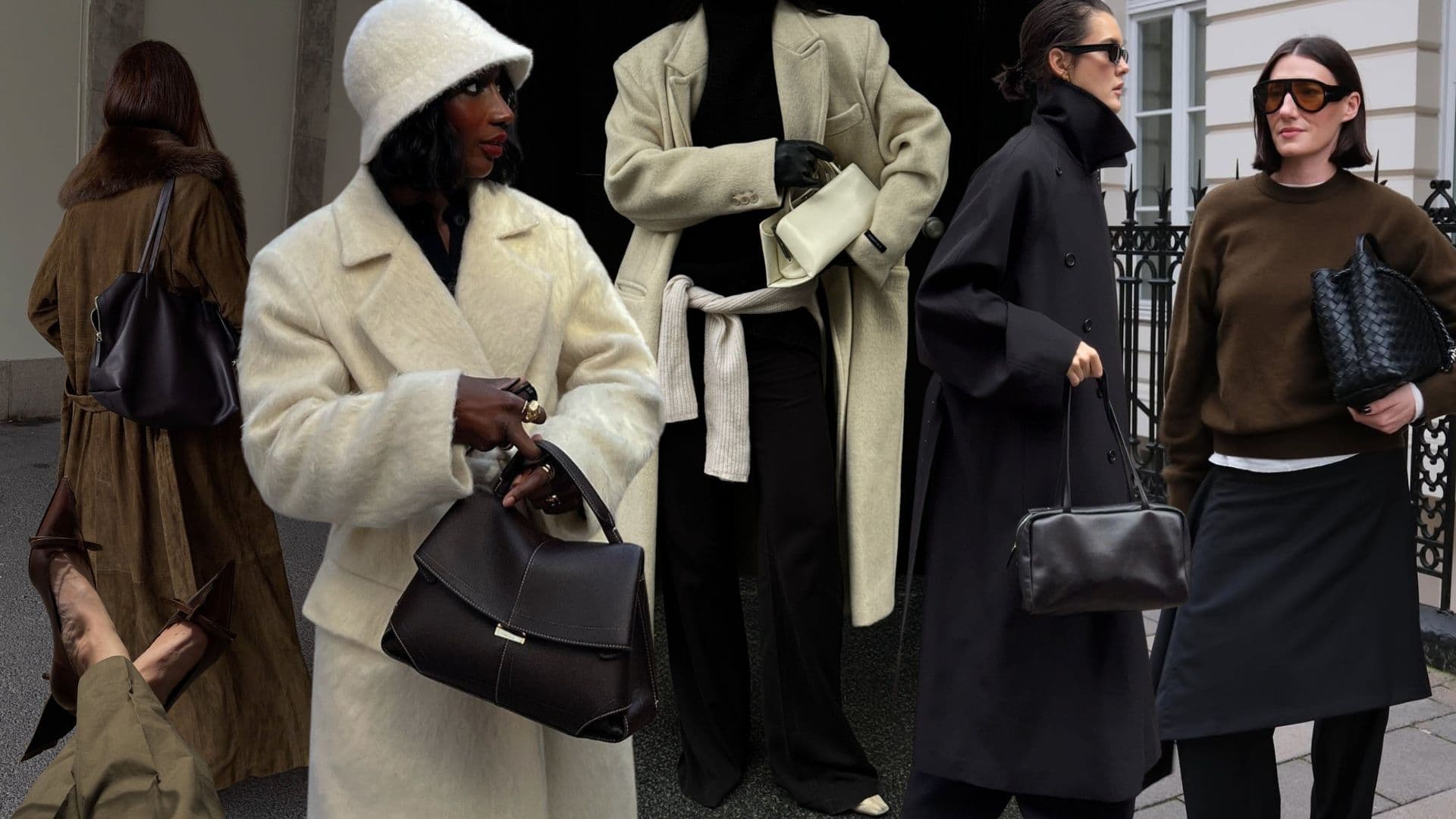
What changed is not the idea of discretion, but the finish. Quiet luxury is ceding ground to something sharper and more tactile, where wealth is signaled through surface, cut, and construction instead of bland invisibility. That shift lands in a fashion market that is feeling the squeeze: McKinsey and The Business of Fashion say leaders are past uncertainty and now facing economic volatility, changing consumer priorities, rapid technological disruption, and tariffs that have redrawn trade maps, with 46% of respondents expecting conditions to worsen in 2026, up from 39% the year before.
Luxury is still huge, but it is being forced to get smarter. Bain & Company puts global luxury spending at €1.44 trillion in 2025, with personal luxury goods forecast at €358 billion, about 2% below 2024 at current exchange rates. Bain also says the industry lost roughly 20 million consumers compared with 2024, as shoppers bought less often, traded down, or pushed money toward experiences and preowned pieces; accessible luxury became the most dynamic segment. That is the real backdrop for old money style right now: fewer empty signals, more proof that a garment or accessory was worth making well in the first place.
The seven signals that matter most
Who What Wear’s 2026 forecast points to seven luxury signals: Tactile Finish, True to Form, Layer Up, Mocha Shades, New Necklines, To the Point, and Accent Accessories. Read together, they map a clear pivot away from whisper-soft minimalism and toward clothes that look inherited, engineered, and expensive enough to keep.
- Tactile Finish is the first clue that old money has moved beyond flat, polished quiet luxury. Think brushed cashmere, nubby wool, suede, matte leather, and fabrics that hold light instead of swallowing it; the appeal is that they look better close up, which is exactly where money likes to hide.
- True to Form is about tailoring with discipline. The sharper shoulder and refined, slightly ’80s edge make the silhouette feel more deliberate, and that matters because old money dressing always looks considered, never accidental; sloppy tailoring reads like trend churn, while a clean shoulder line reads like a house wardrobe.
- Layer Up gives the look depth without noise. Fine knits under jackets, shirt collars under crewnecks, and slim layers that build warmth and shape all signal somebody understands clothes as a system, not just a photo opportunity.
- Mocha Shades are doing the work that black and white once did, but with more warmth. Espresso, cocoa, tobacco, and coffee tones feel richer and less disposable, and they photograph like money because they suggest texture, patina, and a closet built over time.
- New Necklines bring polish up to the face. Funnel necks and other structured openings feel more architectural than vulnerable, and that subtle rigidity is why they read as investment dressing instead of fashion-editor bait.
- To the Point is the easiest old-money tell in the bunch. Point-toe shoes lengthen the leg, sharpen the line, and nod to classic court dressing; they have staying power because they are design-first, not novelty-first.
- Accent Accessories are where the look gets its personality back. Bold hardware, a smarter belt, a bag with visible construction, or a single piece of colorblocking can transform restraint into presence, and that is exactly what modern luxury buyers are chasing.
Why this version of old money feels more convincing
WWD’s spring 2026 accessories coverage makes the mood clear: buyers are emphasizing craftsmanship, textural richness, and colorblocking, and they keep returning to the same words, longevity, material quality, provenance, investment pieces. That language matters because it separates real old-money dressing from fashion churn. Logos are getting louder on the wrong bags, but the pieces with staying power are the ones that would make sense on a return table, in resale, or in a wardrobe five years from now.
This is where the edit gets strict. A coat with a beautifully set shoulder survives longer than a gimmicky silhouette. A point-toe pump with proper structure ages better than a novelty heel. A suede bag with great hardware will always read richer than a logo print that only makes sense in the current algorithm. Old money style, at its best, is not about pretending to be invisible; it is about choosing materials and shapes that hold their own without trying too hard.
The lineage is older than the trend cycle
Avery Trufelman has traced preppy style back to Ivy League campuses, where students wore sports clothes to class, practice, and dinner, and by the 1950s it had already moved beyond college walls. That history matters because the old money aesthetic is not some brand-new invention, it is a recent rewrite of a much older code. Trufelman also points out that the post-COVID trend cycle helped generate labels like old money aesthetic and coastal grandma, both newer iterations of preppy, which is why this look keeps returning with different packaging but the same bones.
That is the trick for 2026. The best old money dressing does not cling to the hushed, logo-free minimalism of the last cycle, and it does not chase decorative excess either. It takes the Ivy League discipline, the heritage-house finish, and the resale logic that rewards obvious quality, then sharpens all of it with tactile fabric, a cleaner shoulder, a better shoe, and one accessory that looks like it was chosen, not merely worn.
This article was produced by Prism’s automated news system from verified source data, official records, and press releases, then run through automated quality and moderation checks before publishing. The system is built and supervised by the people who set the standards it runs under. Read our full AI policy.
Did this article answer your question?