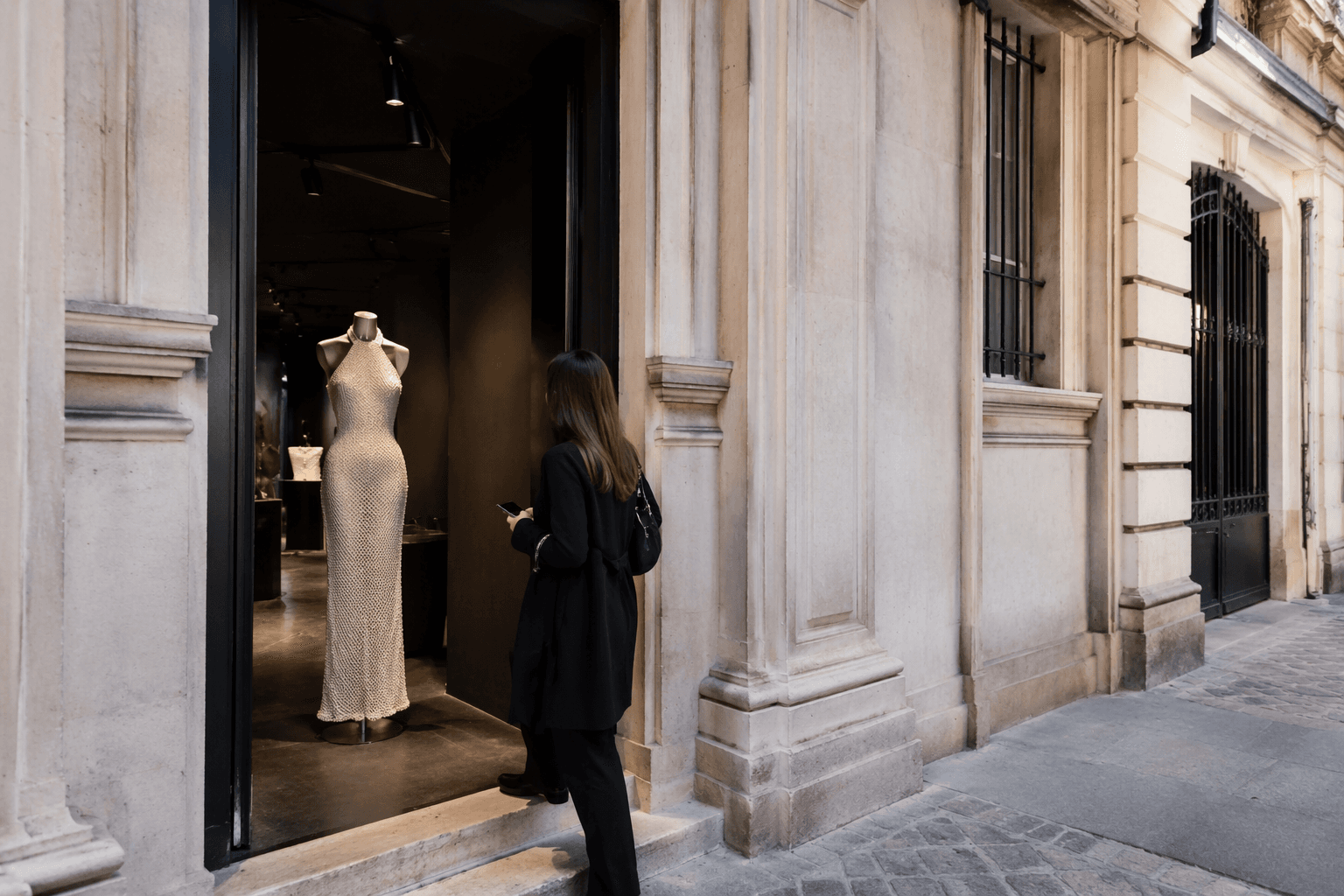
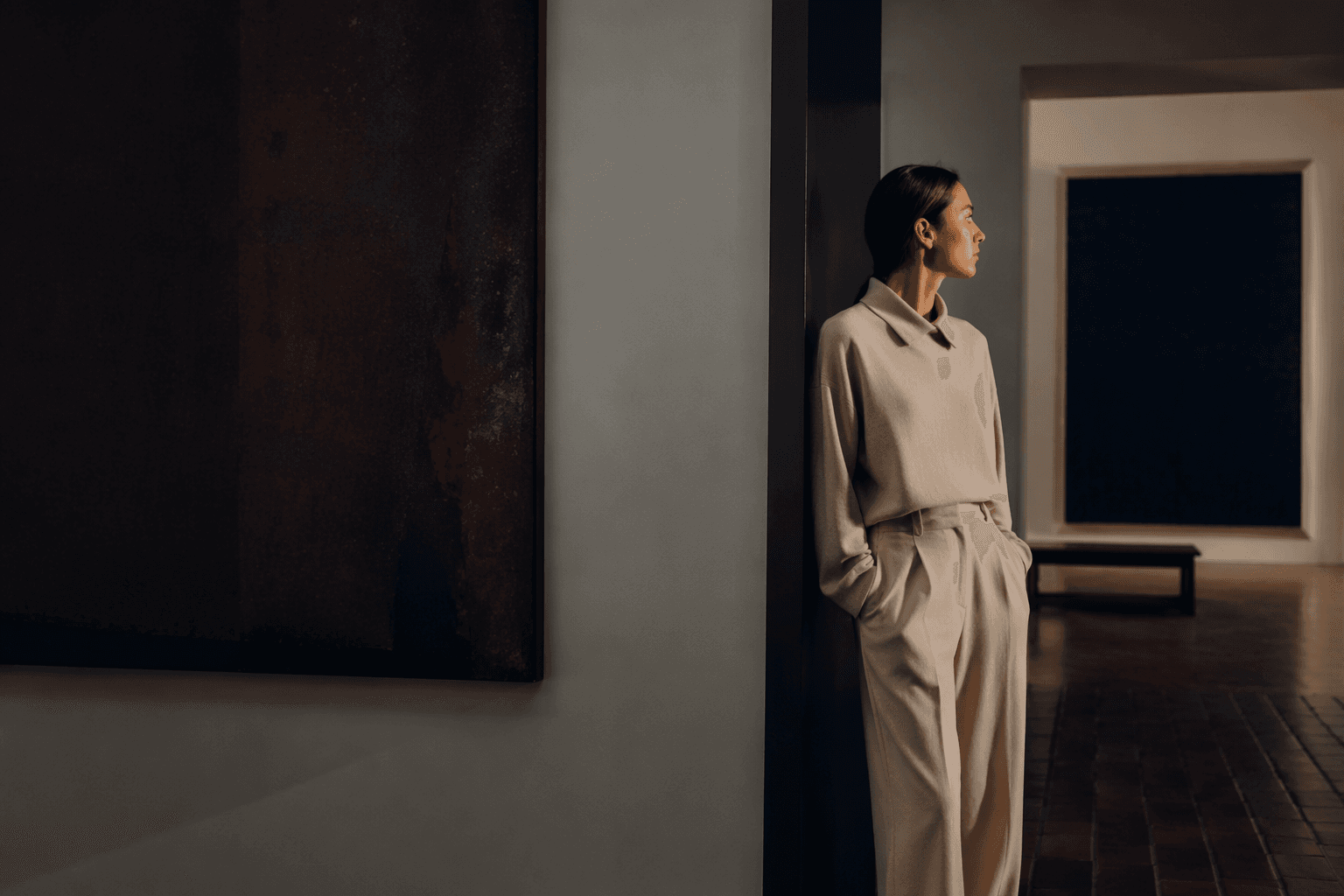
Paris couture week spotlights old-money luxury and new creative eras
Paris couture turns old-money dressing into a live power play, as Balenciaga, Dior, Chanel and Gaultier use heritage, jewellery and new creative leadership to court the top tier.

Paris couture is not behaving like a clothes calendar so much as a private viewing room for luxury’s most protected clients. With high jewellery threaded through the week and heritage houses staging new creative chapters at Balenciaga, Jean Paul Gaultier, Dior and Chanel, the message is clear: old-money dressing is back in motion, and it now travels with the language of craft, access and conspicuous restraint.
Paris as the industry’s most exclusive client stage
Haute Couture Fall/Winter 2026-2027 runs in Paris from Monday, July 6 to Thursday, July 9, 2026, with 30 runway shows spread across four days. Schiaparelli opens the week on July 6, Christian Dior shows the same day, Chanel is scheduled for July 7, and both Pierpaolo Piccioli’s Balenciaga couture debut and Duran Lantink’s first couture collection for Jean Paul Gaultier land on July 8. That concentration matters because couture is still the place where the industry courts people who buy wardrobes like collections, with an eye for rarity, finish and house signature rather than trend churn.
The cast of regulars reinforces that point. Iris van Herpen, Rahul Mishra, Giorgio Armani Privé, Elie Saab, Viktor&Rolf and Zuhair Murad all return to Paris, keeping the week anchored in the codes that define couture at its most exacting: sculptural workmanship, hand-finished surfaces and silhouettes built to be read from across a room. In old-money terms, this is not about looking loud. It is about looking unmistakably expensive without ever seeming hurried.
Why the names at Balenciaga, Gaultier, Dior and Chanel change the meaning of the week
What gives this season its charge is the number of major creative transitions happening at once. Balenciaga has set Piccioli up to build on the house’s recent decade under Demna while remaining in continuity with Cristóbal Balenciaga’s legacy, which is a delicate brief: preserve the authority of a canon while softening the codes enough for a new era. Piccioli’s couture debut on July 8 is therefore more than a house show. It is a test of how far heritage can be rephrased before it loses its spine.
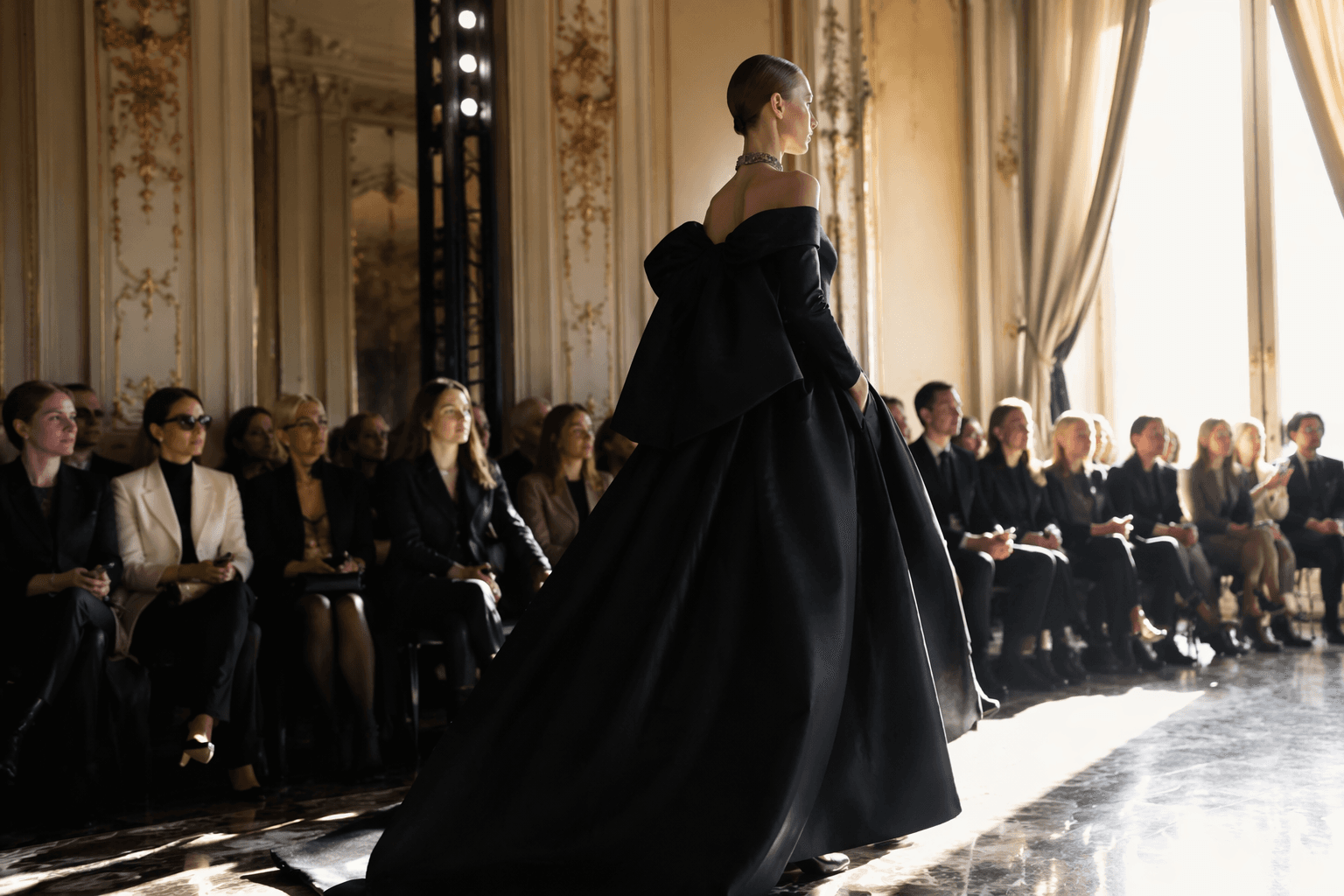
Jean Paul Gaultier is making a different kind of bet with Duran Lantink. The house has cast him as the new “enfant terrible” and praised the energy, audacity and playful spirit he brings back to couture, and Lantink’s debut collection title, JUNIOR, explicitly nods to the cult Junior Gaultier line from 1988 to 1994. That reference matters. It reaches into the archive not as nostalgia, but as a signal that the house wants irreverence with lineage, a much harder trick than simple provocation.
Dior and Chanel are moving from a different place. Jonathan Anderson is entering his sophomore couture chapter after a debut that LVMH framed around a “wunderkammer” concept, treating couture as a laboratory of ideas. The wording is telling, because it positions Dior couture as a cabinet of curiosities, a place where historical references and new construction can coexist without flattening into costume. Chanel, meanwhile, is deepening its artisanal base just as Matthieu Blazy settles into the house. The acquisition of Charvet, France’s oldest shirtmaker, gives that transition a very specific old-world texture: not just image, but shirtmaking, cut and pedigree.
Where high jewellery fits into old-money power dressing
The heavy emphasis on high jewellery makes the week feel especially calibrated for clients who understand that luxury is rarely carried by clothing alone. In couture, jewellery does not simply decorate the look. It certifies the occasion. A sharply tailored jacket, a formal column, a veil of embroidery or a liquid satin evening gown all change character once they are paired with stones that read as heirlooms, investments or trophies.
That is why the old-money effect lands so strongly here. Heritage fashion houses are not only selling clothes, they are staging a complete social code: the inherited blazer logic of Chanel, the discipline and sculptural authority associated with Balenciaga, the intellectual layering of Dior, and Gaultier’s ability to turn couture into a character study. High jewellery completes that picture by giving the wearer a sense of permanence, the feeling that the look is part of a much longer family story.
The house best translating inherited wealth into a new era
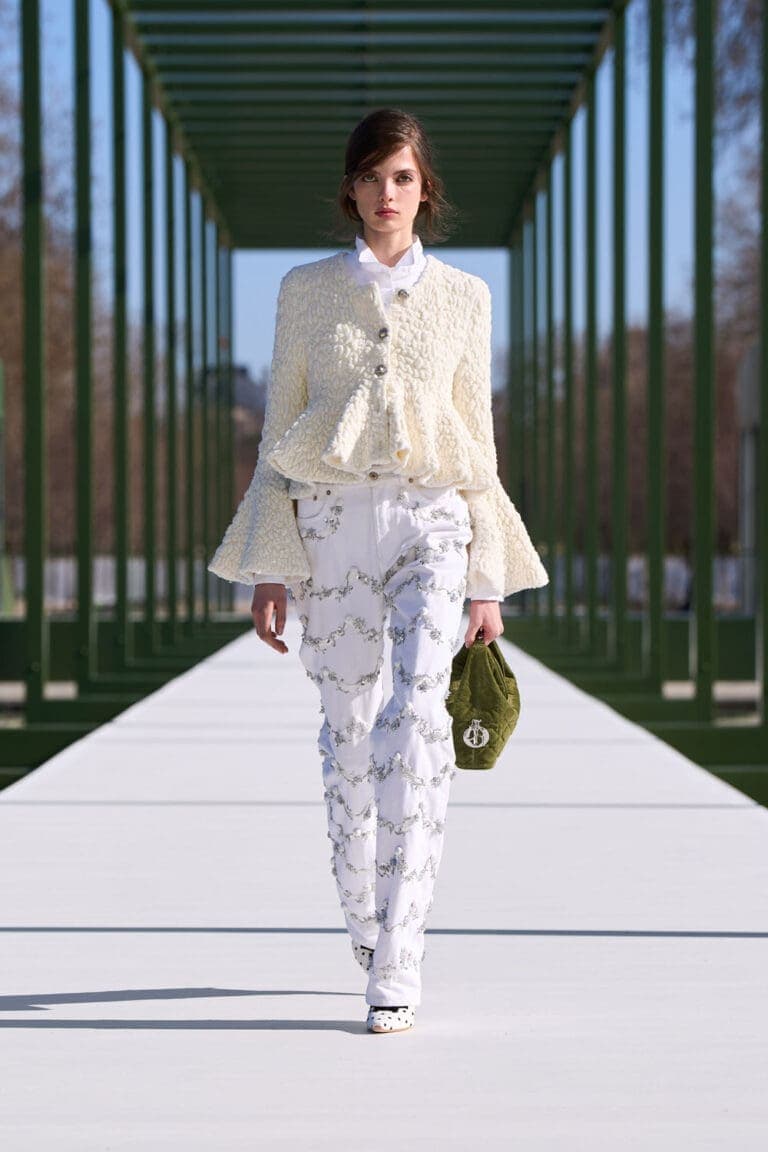
If one house is translating inherited codes of wealth most convincingly, it is Chanel. The Charvet acquisition gives Blazy’s early tenure a hard-wearing foundation in French craftsmanship, and that matters more than any abstract notion of luxury mood. Chanel has always been strongest when it treats elegance as structure, not decoration, and the decision to deepen its artisanal base before the show makes the brand’s old-money credentials feel less like styling and more like architecture.
Balenciaga may deliver the most dramatic reset, and Dior may offer the most intellectually layered one, but Chanel has the clearest route to reconciling inheritance with renewal. Charvet brings the language of shirts, collars and disciplined dress into the conversation just as the house looks to restate its authority in couture. In a week crowded with new creative eras, that combination of lineage and precision is the most persuasive kind of wealth signal: quiet, exacting and impossible to fake.
Paris couture week, then, is not simply returning to form. It is showing how the highest houses intend to compete for the clients who still want clothes to look like culture and jewellery to look like pedigree, all in the same glance.
This article was produced by Prism’s automated news system from verified source data, official records, and press releases, then run through automated quality and moderation checks before publishing. The system is built and supervised by the people who set the standards it runs under. Read our full AI policy.
Did this article answer your question?