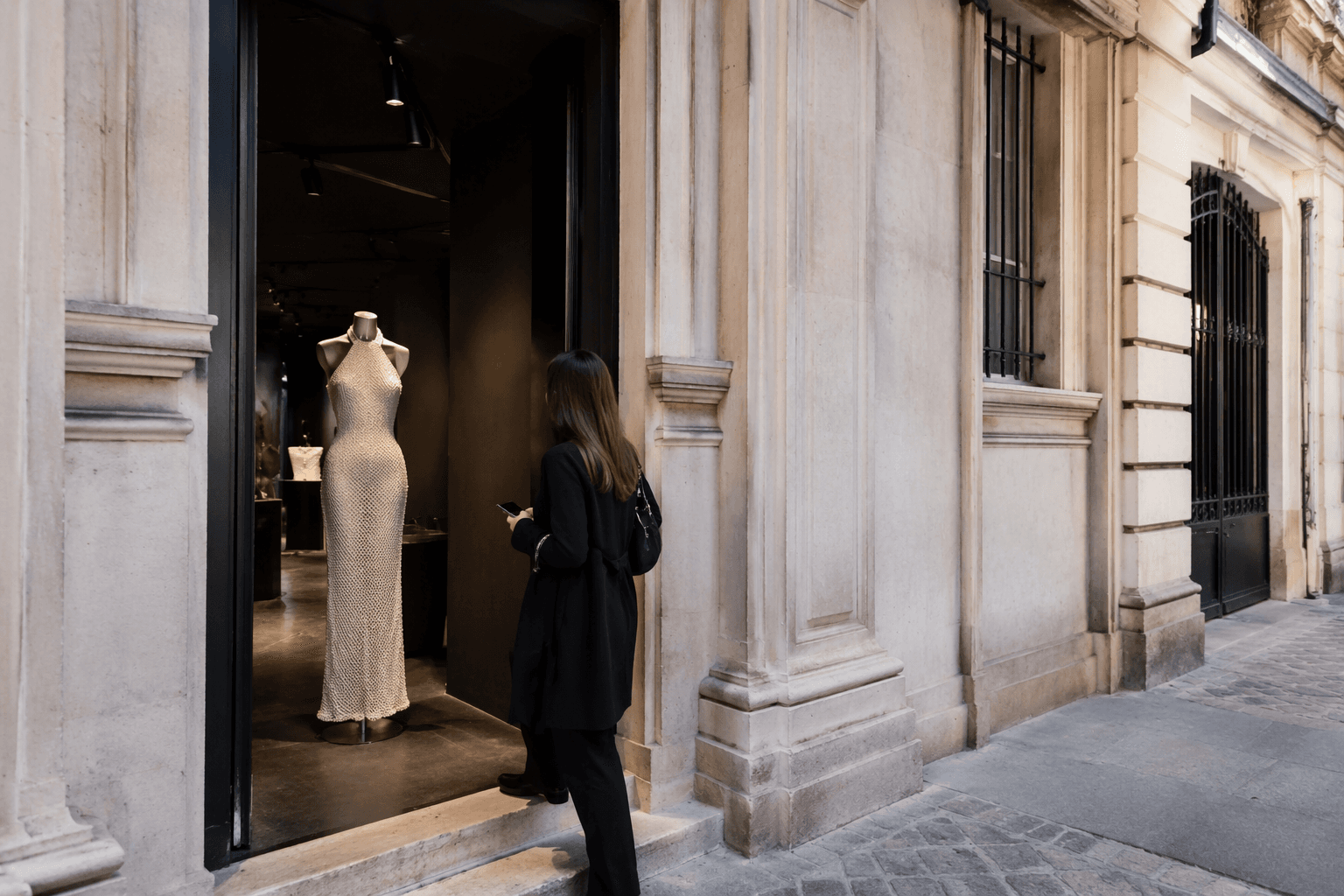
Paul Smith joins King Charles fashion task force on sustainability
Paul Smith has joined King Charles III’s Fashion Task Force, a small circle that adds just one member a year. The move puts British tailoring squarely inside royal sustainability.
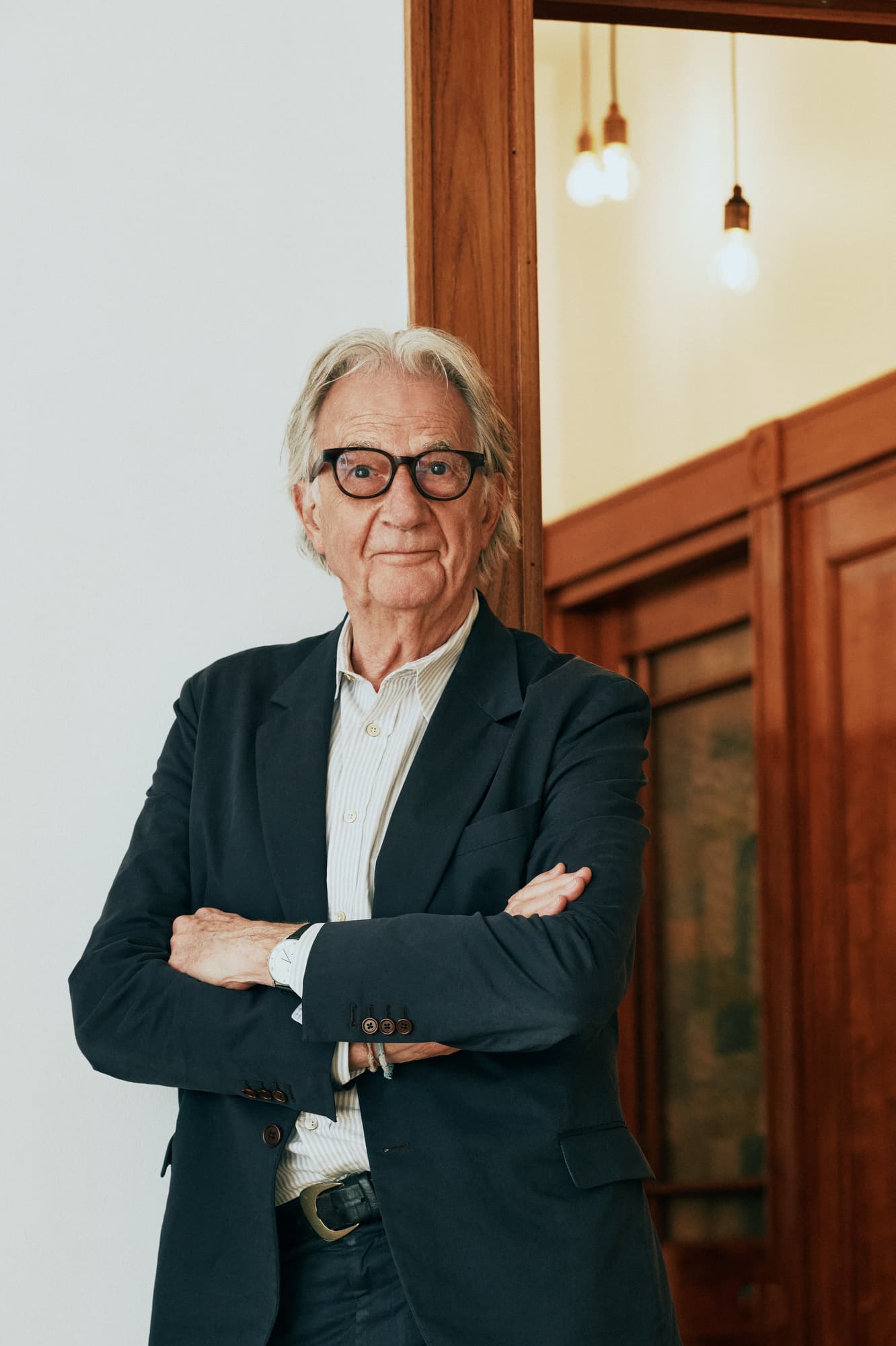
Paul Smith has joined King Charles III’s Sustainable Markets Initiative Fashion Task Force, giving the British house a place inside one of fashion’s most tightly controlled sustainability circles. The task force adds only one new member a year, a detail that makes this less like routine industry networking and more like a carefully judged admission into royal-adjacent taste.
The fit is unmistakable. Paul Smith is one of Britain’s most recognizable menswear names, built on clean tailoring, sharp color and the easy confidence of clothes that understand formality without becoming stiff. That makes the brand an unusually natural partner for a group that is trying to make sustainability feel less like a compliance exercise and more like the new language of luxury. In the task force’s orbit, classic British restraint is being asked to carry modern responsibility.
King Charles III created the Fashion Task Force in 2020 at the World Economic Forum in Davos, and the broader Sustainable Markets Initiative was founded the same year, when he was still the Prince of Wales. The initiative describes itself as a platform for private sector diplomacy aimed at accelerating the global sustainability transition, a grand institutional frame that now includes fashion’s most polished names. Current members named in coverage include Armani Group, Brunello Cucinelli, Burberry, Chloé, Mulberry, OTB, Prada Group and Stella McCartney, alongside partners such as the Circular Bioeconomy Alliance, Textile Exchange and the British, French and Italian fashion councils.
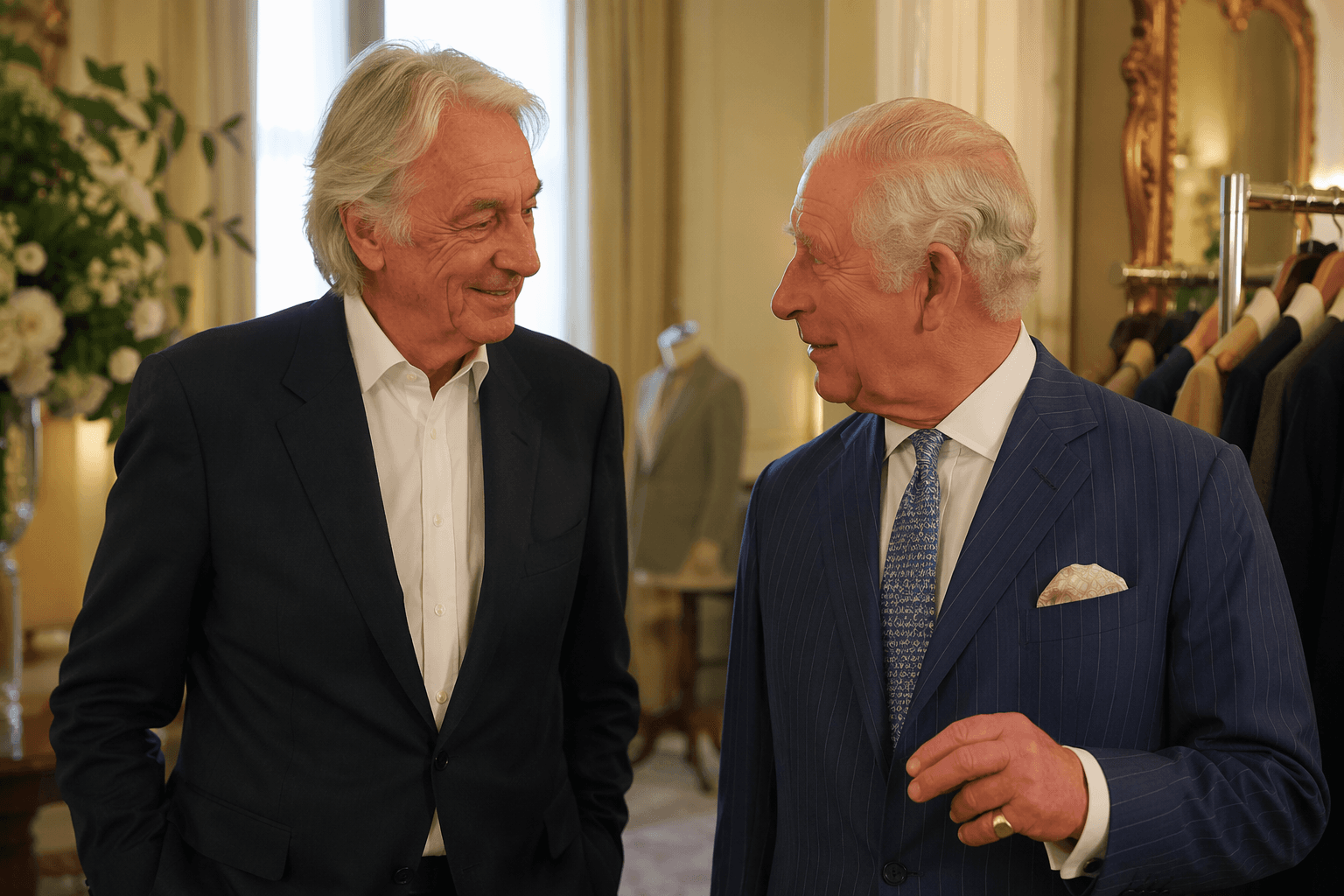
Its focus is not abstract. The task force has been centered on regenerative agriculture, end-to-end product traceability and digital product passports, with the passport idea sitting at the heart of its circularity strategy. On March 12, 2026, members convened at Buckingham Palace to brief King Charles on progress across flagship projects advancing regenerative fashion and traceability through digital product passport solutions. That setting mattered as much as the agenda: sustainability was not presented at the margins of the establishment, but inside it.
Paul Smith executive chairman Ewan Venters said sustainability and transparency remain key priorities for the brand. Federico Marchetti, who chairs the task force, said Paul Smith met the coalition’s selection criteria because it genuinely aligns with the mission to address fashion’s sustainability challenges. For British heritage menswear, that is the story here: responsible luxury is no longer being framed as an external pressure on old institutions, but as something those institutions are now expected to define from the top down.
This article was produced by Prism’s automated news system from verified source data, official records, and press releases, then run through automated quality and moderation checks before publishing. The system is built and supervised by the people who set the standards it runs under. Read our full AI policy.
Did this article answer your question?