Payday Picks, Old Money Pieces That Look Expensive and Wearable
Quiet luxury is back in the smartest way, through pieces that look inherited, not advertised. The best payday buys here earn their keep in office, weekend, holiday and dinner wardrobes.
The old-money brief, translated for payday
The sharpest version of old money style is not precious, and it is never loud. It lives in clean lines, polished seams, neutral palettes and silhouettes that feel like they have been in circulation for years, whether they come from Zara, H&M, COS, Dôen, Matteau or Loewe. That is exactly why this payday edit works: it treats expensive-looking dressing as a wardrobe system, not a shopping spree.
Who What Wear has clearly sensed the appetite. Its related payday shopping list, plus adjacent edits on elegant H&M, Zara and COS buys and under-$150 spring finds, all point to the same thing: readers want pieces that bridge the gap between quiet luxury and real-life budgets. Business of Fashion sharpened the commercial logic in January 2026, noting that brands are moving upmarket either to dodge Shein’s pressure at the lower end or to catch shoppers priced out of luxury’s rising prices. The result is a new sweet spot, where restraint looks smarter than status.
Office: tailoring that reads inherited, not hard-earned
If one category does the most work for the least regret, it is office dressing. A well-cut pair of linen trousers in ivory, stone or soft black gives you that effortless, summer-in-the-city polish that old-money wardrobes rely on. The point is not crispness for its own sake, but drape: a trouser that skims, breathes and falls with intention will always look pricier than anything overworked with trim or shine.
This is where COS has become so useful. Its polished tailoring and expensive-looking knitwear show why the high street has learned to speak the language of restraint. Pair those trousers with a romantic blouse from Dôen, one with a soft sleeve, a gentle gather or a floaty neckline, and the whole outfit shifts from corporate to cultivated. That mix of structure and ease is the old-money formula in modern form: nothing clings, nothing shouts, everything sits just right.
Dependable denim belongs here too, because the smartest wardrobes do not split sharply between weekday and weekend. The best denim for this brief is straight, slightly relaxed and clean through the leg, with no dramatic fading or hard-edged distressing. It should look as though it has been worn often enough to soften, but not so often that it loses its shape.
Weekend: the pieces that make errands look edited
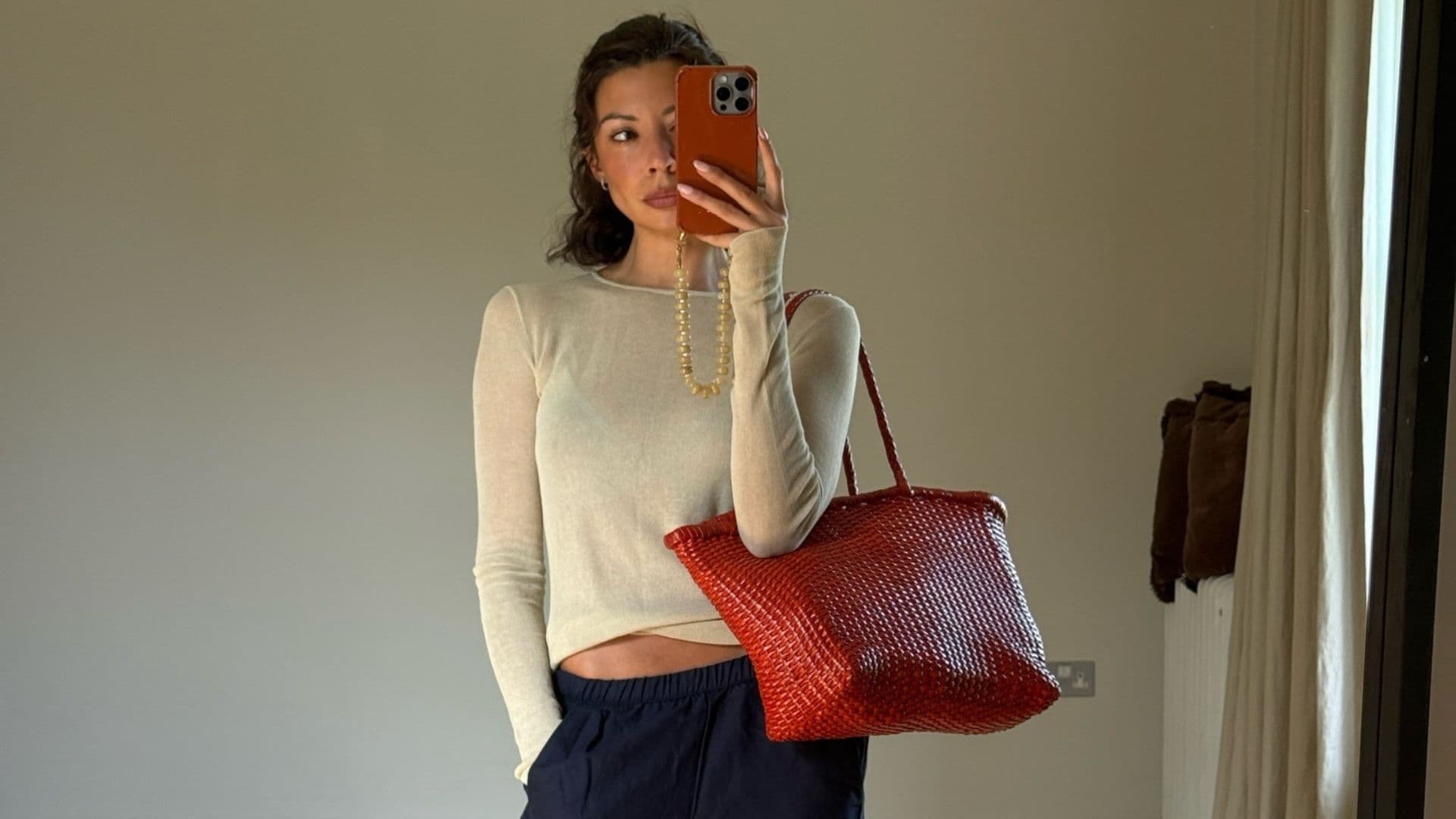
Weekend clothes are where quiet luxury becomes visible without looking staged. A woven handbag does more than hold sunglasses and a phone; it changes the attitude of everything around it. In basket, raffia or textured leather form, it delivers that inherited-vacation feeling old money dressing has always traded on, especially when the finish is neat and the shape is firm rather than floppy.
This is also where high street brands become most convincing. Zara and H&M can deliver the polished, unfussy pieces that make a Saturday outfit feel intentional instead of assembled in haste. Look for tops with clean necklines, skirts that move without volume overload and knitwear that has enough structure to hold its line. The expensive effect comes from restraint, not ornament, which is why these pieces often outperform more obviously “luxurious” buys in daily wear.
A weekend wardrobe built this way is practical in the best sense. It can take you from coffee to market to a late lunch without a costume change, and it still reads as considered. That is the real old-money trick: clothes that do not insist on being noticed, yet always seem to be the best-dressed item in the room.
Holiday: sandals and airy separates that do not lose polish
Holiday dressing often collapses into two extremes, either too precious to wear or too casual to feel chic. The best version sits between the two. Designer-worthy sandals, especially in sculptural but minimal shapes, can make even the simplest linen trouser or dress feel finished. The shape matters as much as the material: a refined toe line, a slender strap and a balanced heel or flat profile will always look more expensive than anything chunky or overly embellished.
Matteau and Loewe speak to this part of the market in different ways. Matteau brings that elegant, sun-washed ease that works so well with linen trousers and simple dresses, while Loewe adds the kind of considered craft and silhouette intelligence that makes accessories feel like investments rather than seasonal extras. On holiday, the most persuasive wardrobe is the one that looks light but not flimsy. It should feel as though it can move from a beach lunch to an evening terrace without changing mood.
Dresses also do important work here. The best old-money dress is never over-designed. It leans on proportion, fabric and line, whether that means a column shape, a softly nipped waist or a skirt that moves without volume drama. A dress in this category should feel like an anchor piece, the kind you wear with flat sandals by day and something sharper by night.
Dinner out: romance with discipline
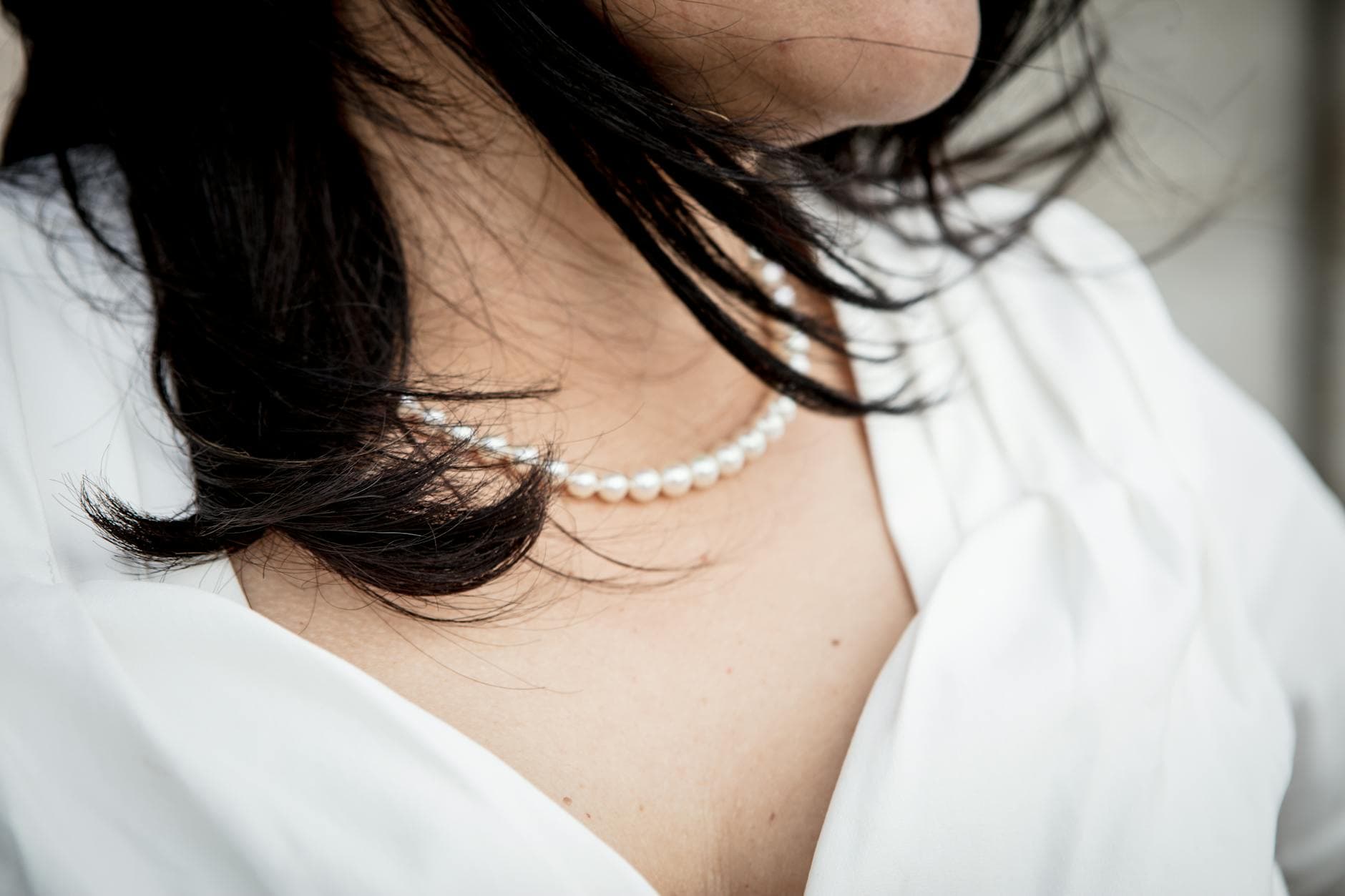
For dinner, the wardrobe can afford a little more mood, but not more noise. Romantic blouses earn their place again here, especially when cut in a fabric with movement and a neckline that frames the face rather than competing with it. Paired with clean denim or a tailored trouser, they give that old-money tension between softness and control that always photographs beautifully and looks even better in person.
This is where the best payday buys prove their mileage. A blouse can work under a blazer for the office, with denim for the weekend and with tailored trousers for dinner. That is what makes it an investment piece in the truest sense: not its label alone, but the number of settings it can survive without feeling repetitive.
Loewe, too, belongs in this evening register, because the most persuasive luxury now is less about display and more about finish. A beautifully shaped bag or a subtle accessory can do more than a full outfit stamped with obvious branding. Old money style has never needed volume; it needs proportion, texture and confidence.
Why this version of quiet luxury keeps winning
The old-money look endures because it is built on inheritance as an idea, even when the actual wardrobe is brand new. It borrows the visual language of established wealth, understated elegance and investment dressing, then translates it into a modern shopping mix that includes Zara, H&M, COS, Dôen, Matteau and Loewe. That broad spectrum is the point. The best wardrobes now are not assembled from one price tier, but from pieces that understand the same code.
And that code is simple: buy the linen trousers you will repeat, the blouse that makes denim feel deliberate, the sandals that sharpen every hemline, the woven bag that reads like a summer habit, and the dress that looks effortless without being accidental. In a market where brands are climbing up the price ladder and shoppers are increasingly alert to value, the cheapest way to look old money is still restraint.
This article was produced by Prism’s automated news system from verified source data, official records, and press releases, then run through automated quality and moderation checks before publishing. The system is built and supervised by the people who set the standards it runs under. Read our full AI policy.
Did this article answer your question?