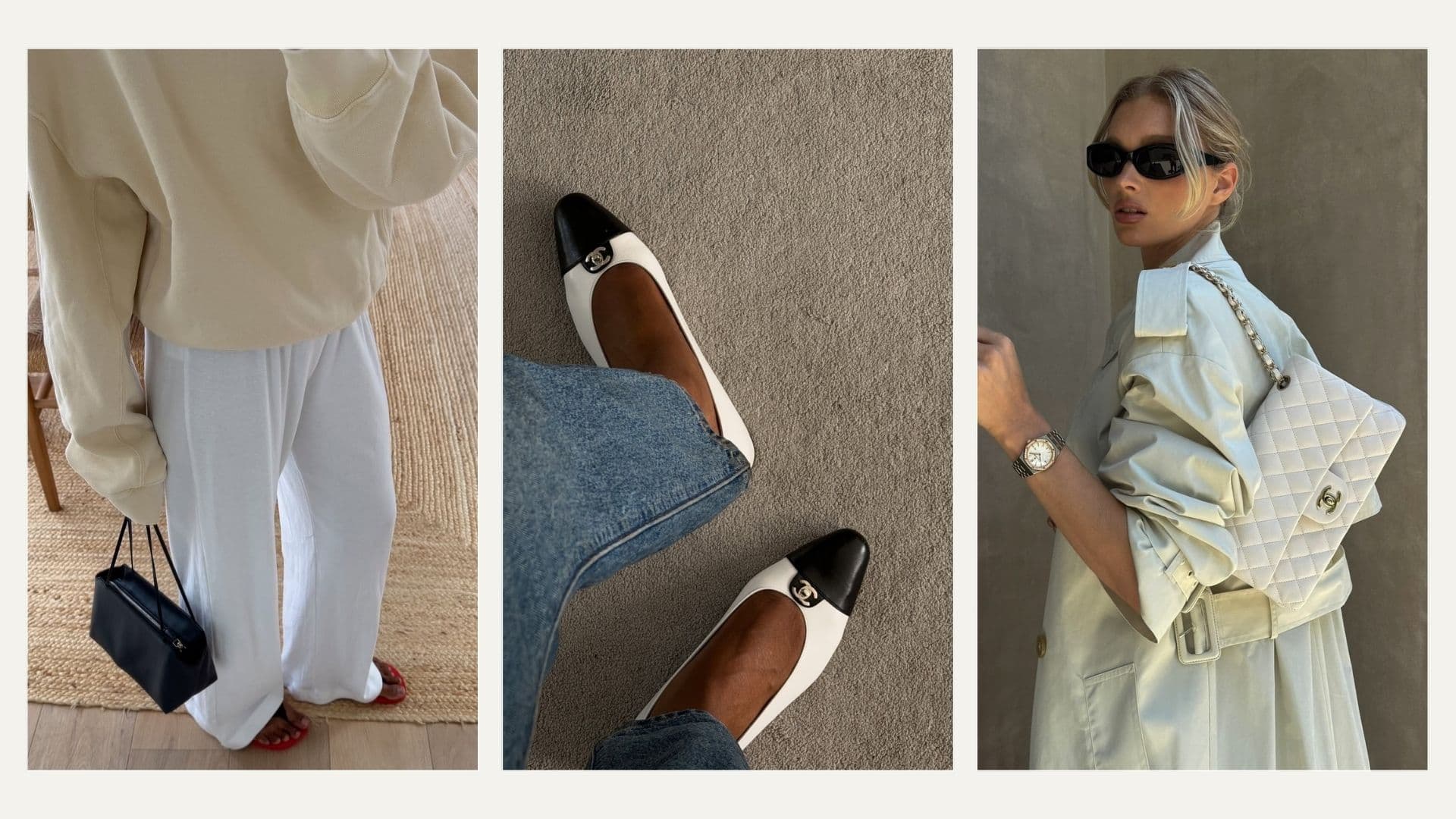
Princess shoes return, from Chloé jelly mules to Manolo Blahnik pumps
Princess shoes are back with a sharper brief: Chloé gives them transparency and restraint, while Manolo Blahnik lends them aristocratic pedigree.
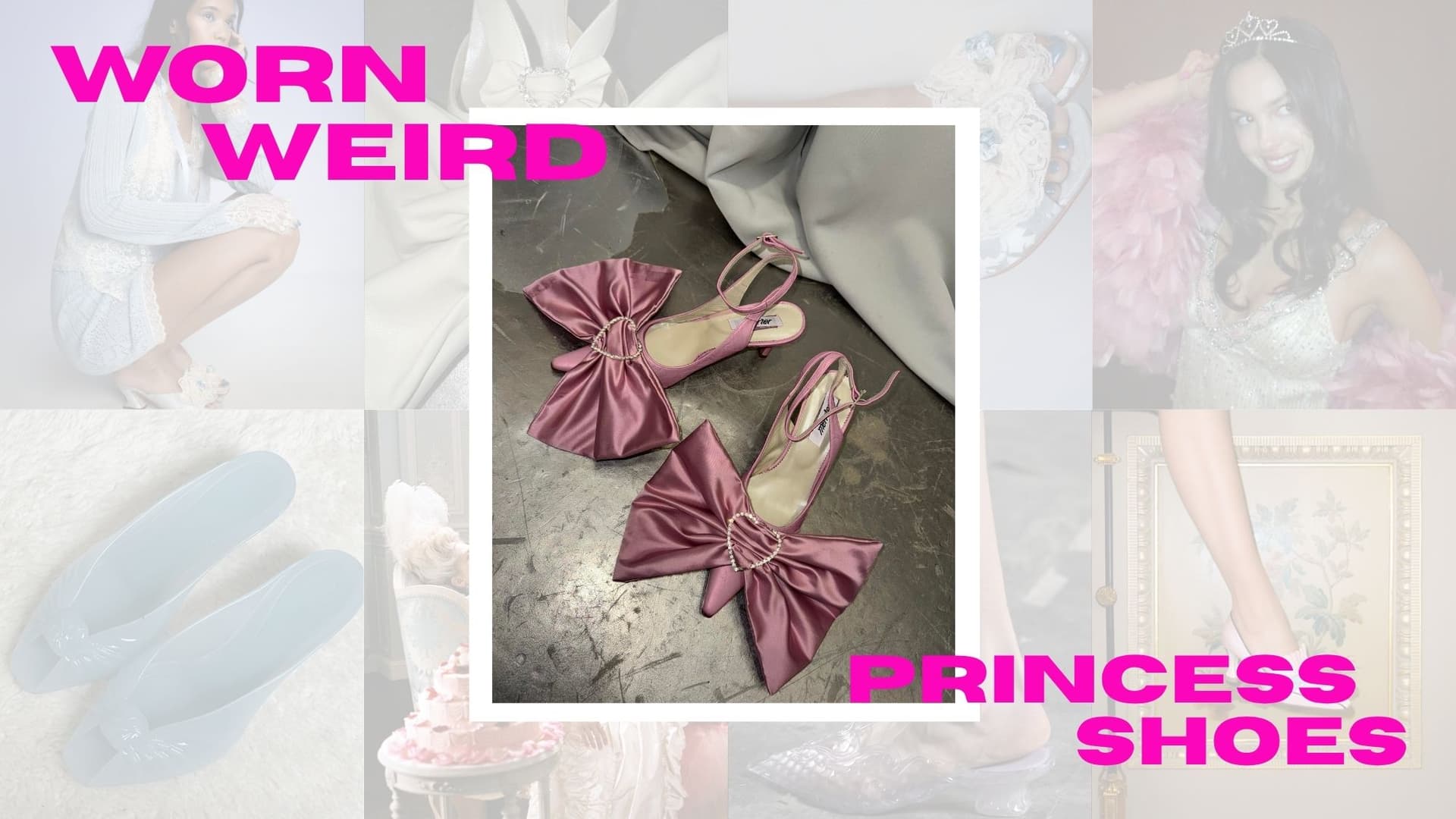
Princess shoes, stripped of the costume
The smartest thing about the current princess-shoe revival is that it is not really about fantasy at all. It is about control. A transparent mule from Chloé or a Manolo Blahnik pump inspired by Marie Antoinette can read as aristocratic only when the silhouette is precise, the finish is polished, and the styling is disciplined enough to keep the look out of costume territory.
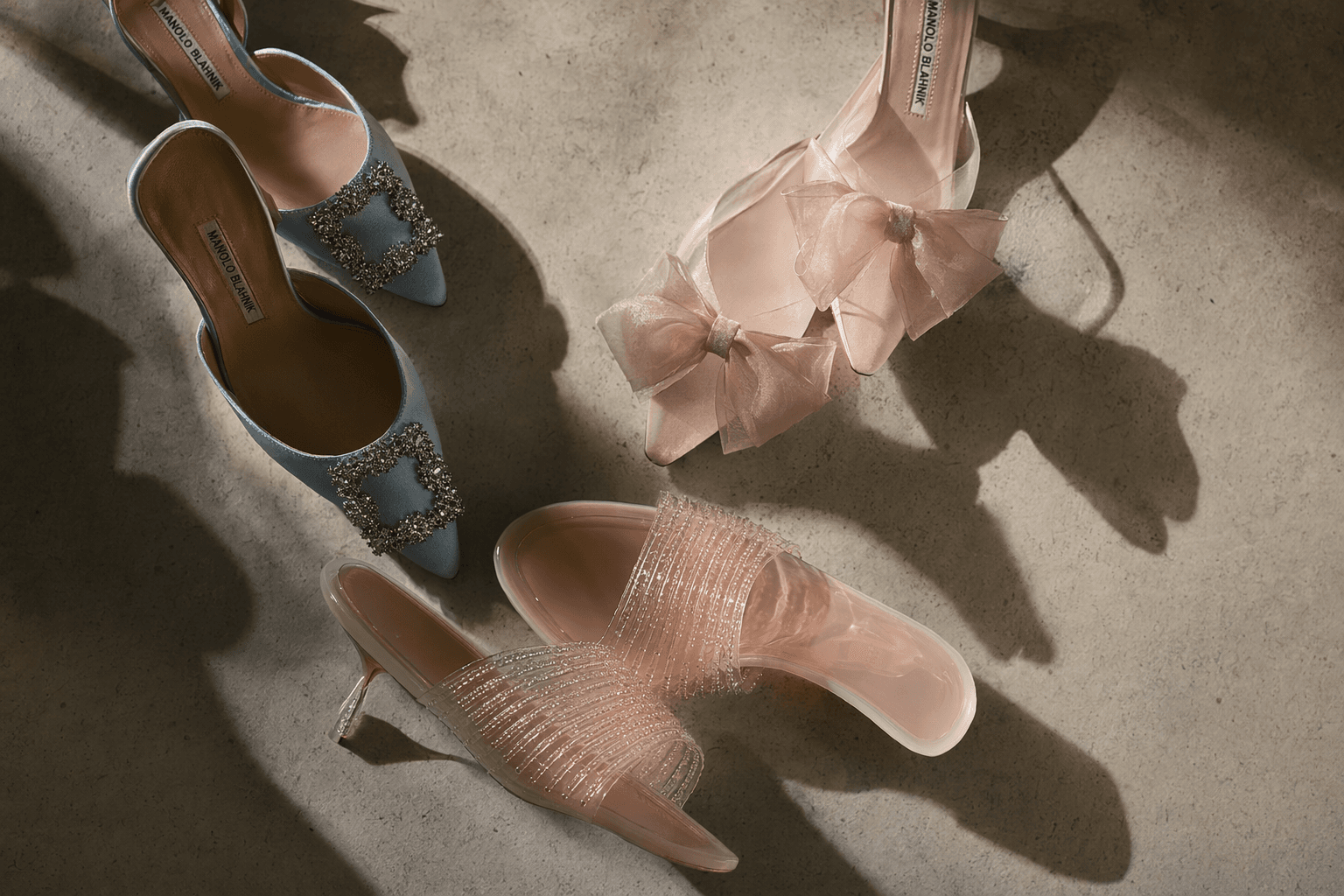
That is why the trend feels newly relevant in old-money dressing. It offers the soft power of a decorative shoe, but the social signal is sharper: taste, not whimsy; pedigree, not play-acting. In a season when heels are re-entering the conversation after years dominated by flats and sneakers, the return of a more elevated shoe makes sense, especially when the shape feels heritage-driven rather than loud.
Why this kind of heel is back
Who What Wear UK has been mapping 2026 footwear with a distinctly less practical, more adventurous mood, and its summer shoe round-up placed jelly mules among the seven biggest trends. That matters because the trend is not isolated to one brand’s runway fantasy. It sits inside a broader shift back toward shoes that change the posture of an outfit, not just the comfort level.
The same mood runs through the publication’s 2026 shoe-trend coverage, which argues that heels have been quietly pushing back into the zeitgeist after the pandemic-era migration to flats and sneakers. Even the rise of fashion flip-flops helped clear space for more expressive footwear. Princess shoes fit that reopening of the dress code, but only if they are interpreted with restraint.
Chloé’s version: transparency, not excess
Chemena Kamali’s Chloé Summer 2026 collection, revealed at Paris Fashion Week on Sunday, October 5, 2025, offers the cleanest case for how to make the trend feel modern. The Chloé Jelly mules are crafted from transparent TPU and set on a curved kitten heel, with a peep-toe upper, a gathered knot, and an embossed Chloé logo. It is a deliberate mix of softness and clarity, the sort of shoe that carries a little fantasy without collapsing into sweetness.
The pricing is telling too. Chloé lists the jelly mules at $670, with jelly sandals ranging from $610 to $750. In luxury terms, that is not entry-level, but it is also not the kind of price that demands theatrical styling to justify itself. The value proposition lies in the design language: a recognizable house aesthetic, a wearable heel height, and a material treatment that makes the shoe feel light rather than overworked.
For old-money dressing, this is the most useful interpretation of princess style because it behaves like an accessory rather than a costume piece. Wear it with a precise trouser hem, a slim cashmere knit, or a pared-back evening dress, and the transparency does the work of softening the outfit. The shoe reads as considered, which is always the point.
Manolo Blahnik’s take: pedigree with a story
If Chloé gives the trend polish, Manolo Blahnik gives it lineage. The Marie Antoinette capsule, presented on September 20, 2025 in partnership with the Victoria and Albert Museum, is tied to the museum’s Marie Antoinette Style exhibition at V&A South Kensington. The show is billed as the first of its kind in the United Kingdom focused on Marie Antoinette’s fashion influence, and it ran from September 20, 2025 to March 22, 2026.
That exhibition frame is crucial, because it moves the idea of princess dressing out of the realm of costume and into the realm of cultural history. The V&A says the exhibition spans more than 250 years of design, fashion, film, and art, and includes rare objects such as Marie Antoinette’s silk slippers. In other words, the reference is not surface-level. It is an argument that a certain kind of decorative femininity has survived because designers keep returning to it.
Blahnik’s own connection to Marie Antoinette is deeply personal: he has said his fascination began in childhood, when his mother read him Stefan Zweig’s 1932 biography. One report on the capsule says it contains 12 designs, which only reinforces the sense of it as a concentrated, collector-minded gesture rather than a broad seasonal drop. That is exactly why it feels old-money adjacent. It carries the aura of archive, not trend churn.
The historical thread that keeps this look alive
Marie Antoinette has always been more than a period reference. The V&A cites Sofia Coppola, Moschino, and Vivienne Westwood among the creatives shaped by her aesthetic, which helps explain why these shoes keep reappearing in different forms. The appeal is cyclical: Rococo excess gets filtered through modern restraint, then recast again as luxury.
That cycle is what separates a princess shoe from a party shoe. The former can survive if it feels inherited from fashion history, not lifted from a costume rack. A heel with a curved kitten pitch, a transparent upper, or a softened toe shape can make the difference between novelty and wardrobe value. The styling then has to do its part, which means no sugar-high clutter, no overworked jewel tones, and no competition from loud accessories.
How to wear princess shoes the old-money way
The easiest way to make the look land is to treat the shoe as the flourish, not the headline. Keep the rest of the outfit disciplined and the effect becomes luxurious instead of decorative.
- Pair Chloé-style jelly mules with tailored cigarette trousers, a sharp blazer, or a column skirt in navy, ivory, or stone.
- Let a Manolo Blahnik-style pump anchor simple knits, like a fine-gauge cashmere polo or a softly structured cardigan.
- Use evening basics, such as a black dress with clean lines or a satin skirt, to let the shoe read as intentional rather than themed.
- Avoid overloading the outfit with ruffles, bows, and obvious vintage references unless you want the look to tip into costume.
What makes the best versions aristocratic is their restraint. The shoe may reference Marie Antoinette, but the outfit should suggest inheritance, not dress-up. That is the real power of the princess-shoe return: when the fantasy is edited properly, it stops looking frivolous and starts looking like wardrobe intelligence.
Know something we missed? Have a correction or additional information?
Submit a Tip