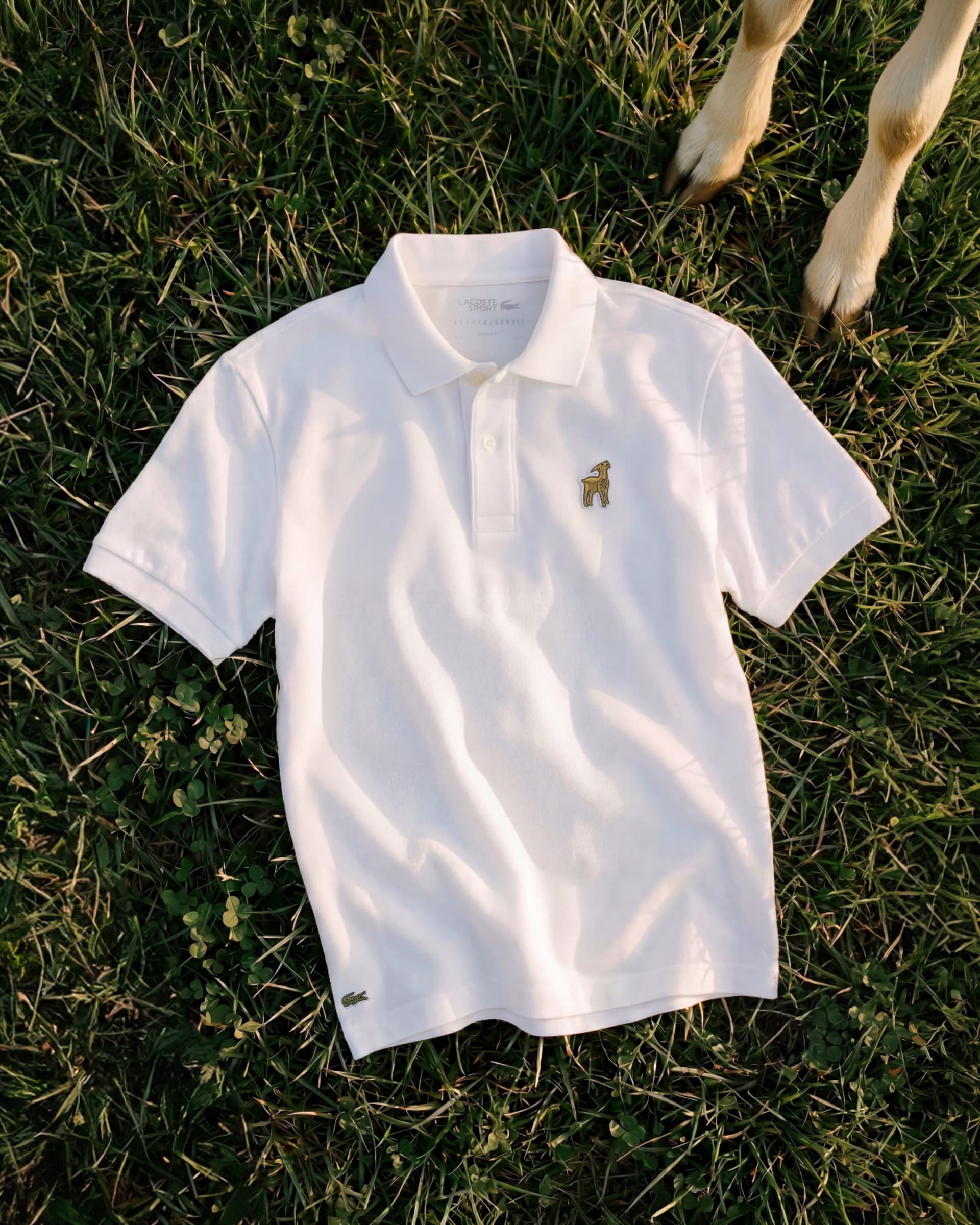
Quiet Luxury Brands Draw Investors With Heritage, Margins, and Scarcity
Heritage luxury brands posting 34% EBITDA margins are pulling sovereign capital; here's how the same logic should drive every wardrobe decision you make in 2026.

The number that keeps coming up in quiet-luxury investment circles right now is 34. That's the adjusted EBITDA margin Golden Goose posted for fiscal year 2025, against a luxury-sector average hovering around 25%. It's a gap that tells you everything: the brands doing this right are not competing on volume or trend velocity. They're engineering scarcity, controlling distribution, and building the kind of margin resilience that sovereign wealth funds and private equity recognize as defensible value. The best part? The same logic that guides those investors should be driving your wardrobe decisions.
What Investors Are Actually Buying
The capital flowing into quiet-luxury houses right now is not chasing aesthetics. It's chasing operational discipline. Hermès and Richemont were the standout performers in 2025, and neither brand runs promotional campaigns. Neither floods department stores. They live by DTC penetration rates, EBITDA margins, and sales-per-square-meter metrics that reward restraint over reach.
Investors in this space prioritize gross margins above 70%, heritage narratives, and controlled distribution over addressable market size. When a sovereign or PE buyer evaluates a quiet-luxury label, they're running a margin decomposition: product margin versus retail margin, channel mix sensitivity, top-20 SKU concentration, and the durability of after-sales and care services. The watch is a perfect case study. A Patek Philippe or an A. Lange & Söhne generates revenue long after the original sale through service intervals, authentication, and the kind of secondary-market demand that actually strengthens the primary price.
Luxury investors think in decades, not quarters. That's the framing you need to bring to your closet.
The Real Estate Angle Nobody Talks About
Here's the connection that doesn't get enough coverage at the wardrobe level: the same brands worth owning on your body are being used as anchor tenants to underwrite ultra-luxury real estate. Developers financing branded residences and curated retail districts actively court quiet-luxury labels because they generate place equity and predictable long-term demand. The branded residential segment is projected to reach a global value of nearly $118 billion by 2030, with around 200% growth expected by 2031. The fashion brands sitting inside those developments aren't there by accident. They're there because they stabilize the asset.
When Loro Piana opens a boutique in a new ultra-luxury district, the developer's financing improves. When a heritage watchmaker anchors a resort retail corridor, occupancy projections hold. The quiet-luxury ecosystem is not just a fashion segment; it's collateral.
The Red Flags That Kill Value: Both on the Rack and in the Portfolio
The investor due-diligence checklist and the wardrobe-investment checklist have more overlap than you'd think. The operational red flags that concern PE buyers are exactly the signals that should make you skeptical of a brand's long-term value in your closet.
Rapid wholesale expansion is the first warning. When a brand that built its reputation on scarcity starts appearing in every luxury department store globally, the perceived exclusivity collapses. Uncontrolled licensing follows the same logic: once a name appears on eyewear, hotel amenities, and beach towels without quality gatekeeping, the core product suffers by association. High inventory turn without margin protection signals promotional pressure, which is where brand equity goes to die. And overreliance on tourism markets introduces geopolitical fragility: a brand whose revenue concentrates in airport retail or tourist-heavy flagships is one travel disruption away from a margin shock.
For the style-minded buyer, these flags translate to something concrete: avoid brands whose biggest announcement this season is a new wholesale partnership. Favor houses that open one boutique per year in a deliberate location. The slower the distribution growth, the more durable the investment.
The Wardrobe-Investment Scoring Rubric
The cost-per-wear formula is not new, but most people apply it incorrectly by ignoring maintenance. Here's how to score any potential purchase before you commit:
Total Cost of Ownership = (Purchase Price + Alteration Cost + 5-Year Maintenance) ÷ Estimated Annual Wears × Years of Active Use
A cashmere crewneck from Loro Piana at $1,500, worn three times a week for ten years, with annual professional cleaning at $40, scores out at roughly $1.10 per wear. A trending logo-heavy piece at $400, worn twenty times before it feels dated, costs $20 per wear. The math is not subtle.
What actually holds value in a closet built for longevity:
- Fabric hierarchy: Cashmere, vicuña, worsted wool, Sea Island cotton, and saddle-stitched leather are materials with inherent longevity and a resale market that recognizes fiber provenance. Synthetic blends, trend-reactive fabrications, and unlined constructions depreciate fastest.
- Silhouette discipline: A single-breasted blazer in navy or charcoal, a double-breasted trench in classic beige, and flat-front trousers in a neutral weight are silhouettes with a sixty-year track record. Exaggerated lapels, dropped shoulders scaled to a specific moment, and directional hemlines have a shelf life measured in seasons.
- Repairability: Goodyear-welted soles, natural-fiber linings, hand-stitched canvasses in tailored jackets, and hand-rolled buttonholes are not just quality signals; they're practical insurance. A shoe you can resole three times over twenty years is a different investment from one that self-destructs at the midsole.
- Neutral palette discipline: Stone, navy, charcoal, ivory, and camel work across decades without referencing a trend moment. An unusual colorway bought in an aesthetic peak year is the wardrobe equivalent of buying tech stock at the top.
- Provenance documentation: Keep receipts, care cards, and original packaging. For watches, full-set condition with box and papers can represent 20-30% of secondary-market value.
The 12-Month Portfolio: 10 Pieces, Built With Intention
A capsule built over twelve months, bought at the right price points and maintained properly, functions as a wearable asset. Here's the sequence:
1. Months 1-2: Cashmere crewneck in navy or mid-grey (Loro Piana, Brunello Cucinelli, or comparable Italian mill). Budget: $600-$1,500.
2. Month 3: Single-breasted navy blazer, half-canvassed or fully canvassed. Budget: $800-$2,000.
3. Month 4: Saddle-stitched leather belt in dark tan or cognac. Budget: $200-$500.
4. Month 5: White dress shirt in Sea Island or Egyptian cotton, bespoke or made-to-measure. Budget: $250-$600.
5. Month 6: Classic beige or stone double-breasted trench coat. Budget: $900-$2,500.
6. Month 7: Flat-front worsted wool trousers in charcoal. Budget: $400-$900.
7. Month 8: Goodyear-welted single-sole loafer in dark brown or black. Budget: $500-$1,200.
8. Month 9: Fine-gauge cashmere turtleneck in camel or ivory. Budget: $500-$1,000.
9. Month 10: Structured leather bag or briefcase, neutral, minimal hardware. Budget: $800-$2,000.
10. Months 11-12: One heirloom watch or fine-jewelry piece. This is the statement anchor that ties the entire portfolio together and carries the most individual resale potential. Budget: whatever you can spend once, with patience.
A well-built quiet luxury capsule typically requires a total investment of $3,000 to $8,000 across 20 to 30 pieces, with individual items ranging from $200 to $1,500; the cost-per-wear calculation over five to ten years is where the case for higher unit prices becomes impossible to argue against.
Where Tactical Opportunities Are Forming in 2026
For readers watching the broader market: the near-term signals worth tracking are IPO pipelines and minority stake acquisitions by sovereign funds. When a heritage brand accepts a sovereign minority investment, it typically signals an operational maturation, tighter distribution controls, and a re-rating of the underlying asset. That's a liquidity event on paper, but it's also a cultural endorsement: the brand is being treated as a store of value, not a growth bet.
Golden Goose is the instructive example. The brand's DTC channel drove first-half growth, with revenues at constant currency rising 12% to €307 million. The DTC push matters because it signals margin control and direct consumer relationships that wholesale dependency would erode. Watch for similar patterns in smaller heritage houses: measured store openings, low promotional intensity, and service infrastructure that supports long-term client retention.
The brands worth buying on your body are, almost without exception, the same ones worth watching in an investment context. The criteria converge because the underlying logic is identical: scarcity, craft, repairability, and the patience to let value accumulate rather than chasing the cycle. That's old money. That's what the capital markets are finally pricing correctly.
This article was produced by Prism’s automated news system from verified source data, official records, and press releases, then run through automated quality and moderation checks before publishing. The system is built and supervised by the people who set the standards it runs under. Read our full AI policy.
Did this article answer your question?