Quiet luxury fades as 2026 jewelry turns bold and playful
The old-money script is cracking at the jewelry box. In 2026, chunky rings, sculptural cuffs, and playful diamonds read less discreet, more personal.
The new signal
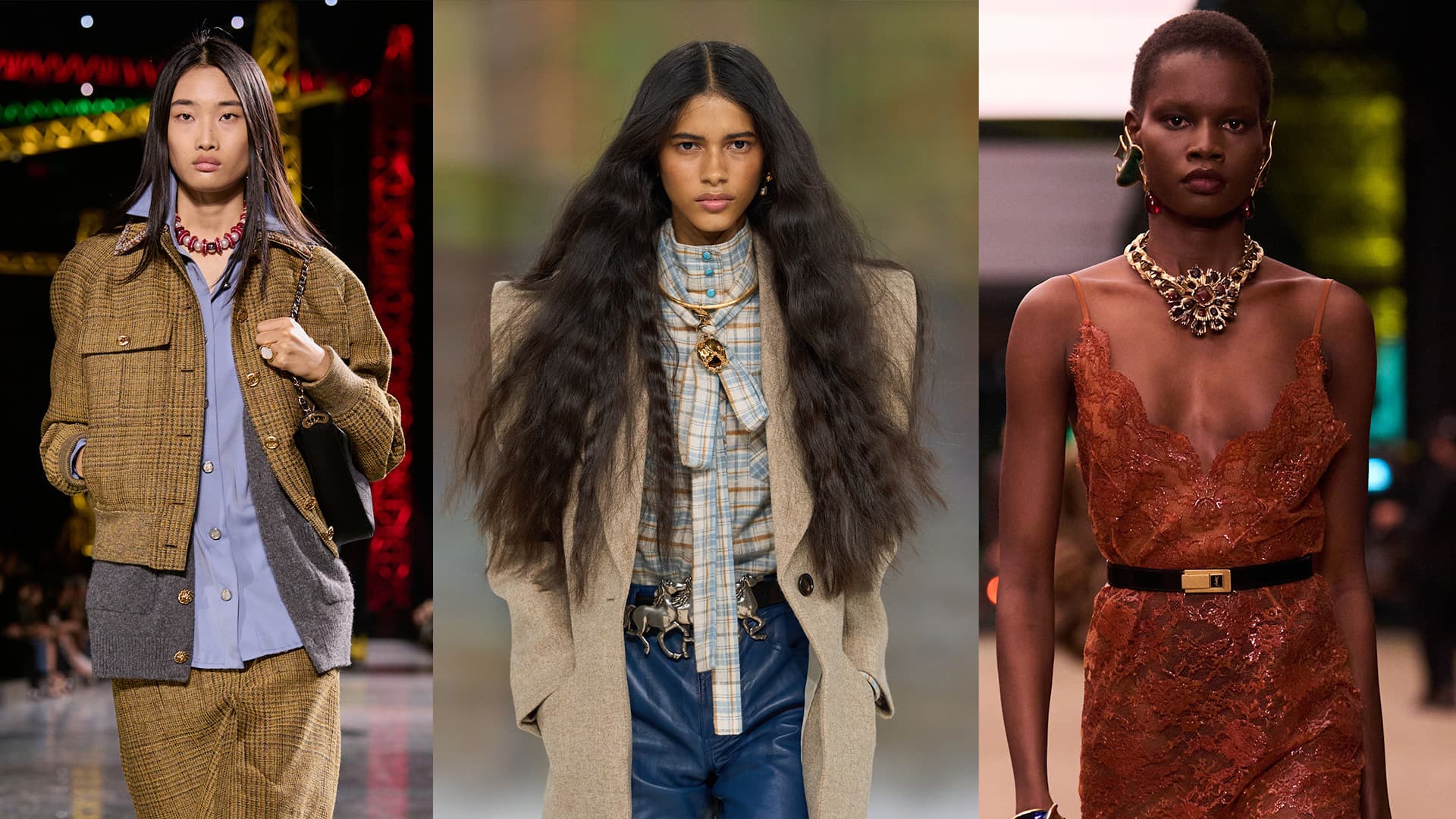
Quiet luxury used to live in the parts of an outfit that barely announced themselves, a slim gold band, a perfect watch, a necklace so understated it felt inherited rather than bought. Now the jewelry is speaking up. Who What Wear says the 2026 mood is leaving behind restraint for pieces that are bold, big, and fun, and that shift lands hard because it cuts straight through the old-money code.
That old code, the one that surged into fashion in 2023 under the names quiet luxury, old-money aesthetics, and stealth wealth, was built on understatement. It prized high-quality pieces, clean silhouettes, and the absence of obvious branding. The new jewelry direction does not reject polish, but it does reject silence. It moves the signal from whispered wealth to visible personality.
What the jewelry actually looks like now
The strongest pieces this season are not shy about scale. Who What Wear’s 2026 coverage points to ring stacks that are bold, chunky, and unapologetically fun, with mixed metals, oversize bands, sculptural shapes, and diamonds that feel more playful than precious. Another round of trend coverage pushes the same message even further: sculptural gold cuffs, beaded necklaces, reimagined pearls, oversized earrings, and mixed-metal styling are defining the season.
That mix matters. A discreet old-money jewel usually aims for continuity, the kind of thing you can imagine being worn at a garden lunch, then left in a drawer for the next generation. These new pieces are more expressive and more visible, and that is exactly the point. A jewelry founder in the coverage summed up the mood neatly: people want pieces that feel "collected, expressive, and a little unexpected."
Where old money bends, and where it breaks
This is where the old-money look starts to flex. The aesthetic can handle a heavier cuff, a more sculptural ring, even a pearl strand with a twist, because the core value is still quality. What changes is the mood. Instead of a single discreet heirloom doing the work, the wrist, hand, or ear becomes a small stage.
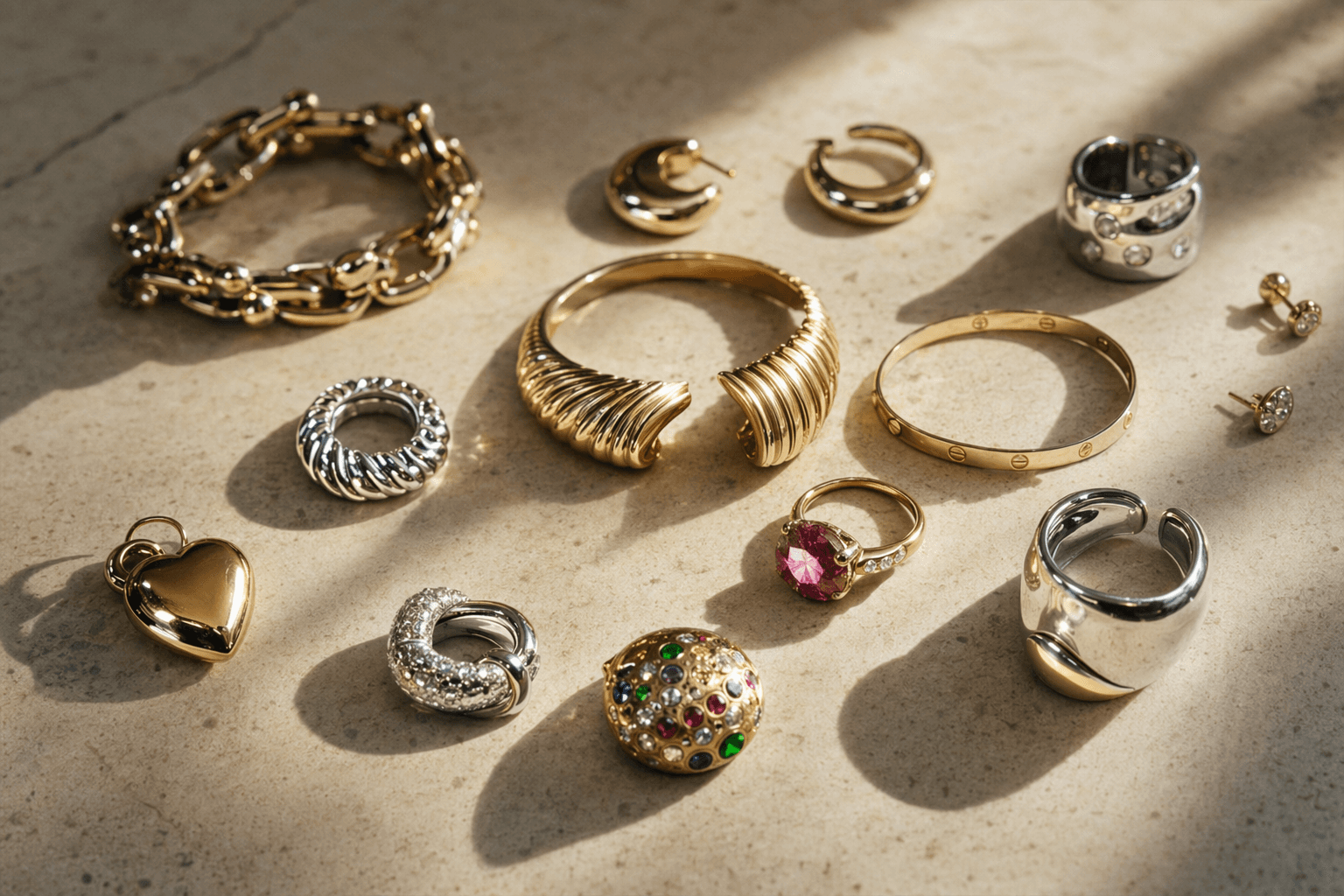
The old-money line holds if the jewelry still feels intentional, restrained, and well-made. A chunky ring stack can still read polished if it looks curated over time, not piled on for attention. A gold cuff can still feel elegant if it is clean and architectural, not noisy. But once the jewelry becomes the loudest thing in the room, the look stops reading as inherited taste and starts reading as fashion self-awareness. That is the break point.
The market wants more than stealth
This pivot is not happening in a vacuum. Bain forecast that the personal luxury-goods market would fall 2 percent to €363 billion in 2024, the first slowdown since 2008 outside Covid, and it said jewelry was the most resilient luxury segment. In a year when only about one-third of brands saw growth, down from 95 percent in 2021 and 2022 and 65 percent in 2023, the category that can still move is the one that feels desirable, personal, and easier to justify than a full wardrobe refresh.
The regional picture backs that up. Bain and National Jeweler reported Americas sales at €100 billion, down 1 percent year over year, which shows how fragile the broader luxury mood remains even as jewelry keeps its footing. In that environment, statement jewelry makes commercial sense. It is expressive without being as financially intimidating as a handbag or coat, and it lets brands sell attitude as much as material.
The bigger forecasts make the same point louder. One market projection puts the global jewelry market at $482.22 billion by 2030, up from a 2023 estimate of $353.27 billion, with a 4.7 percent compound annual growth rate from 2024 to 2030. Another estimate sees the market at $381.54 billion in 2025 and $578.45 billion by 2033. When numbers like that are on the table, you can see why brands are leaning into bolder design language instead of playing it safe.
How to wear the new jewelry code without losing the old-money backbone
The trick is not to stack everything at once and call it style. The new jewelry mood works best when the clothes stay disciplined and the accessories bring the drama.
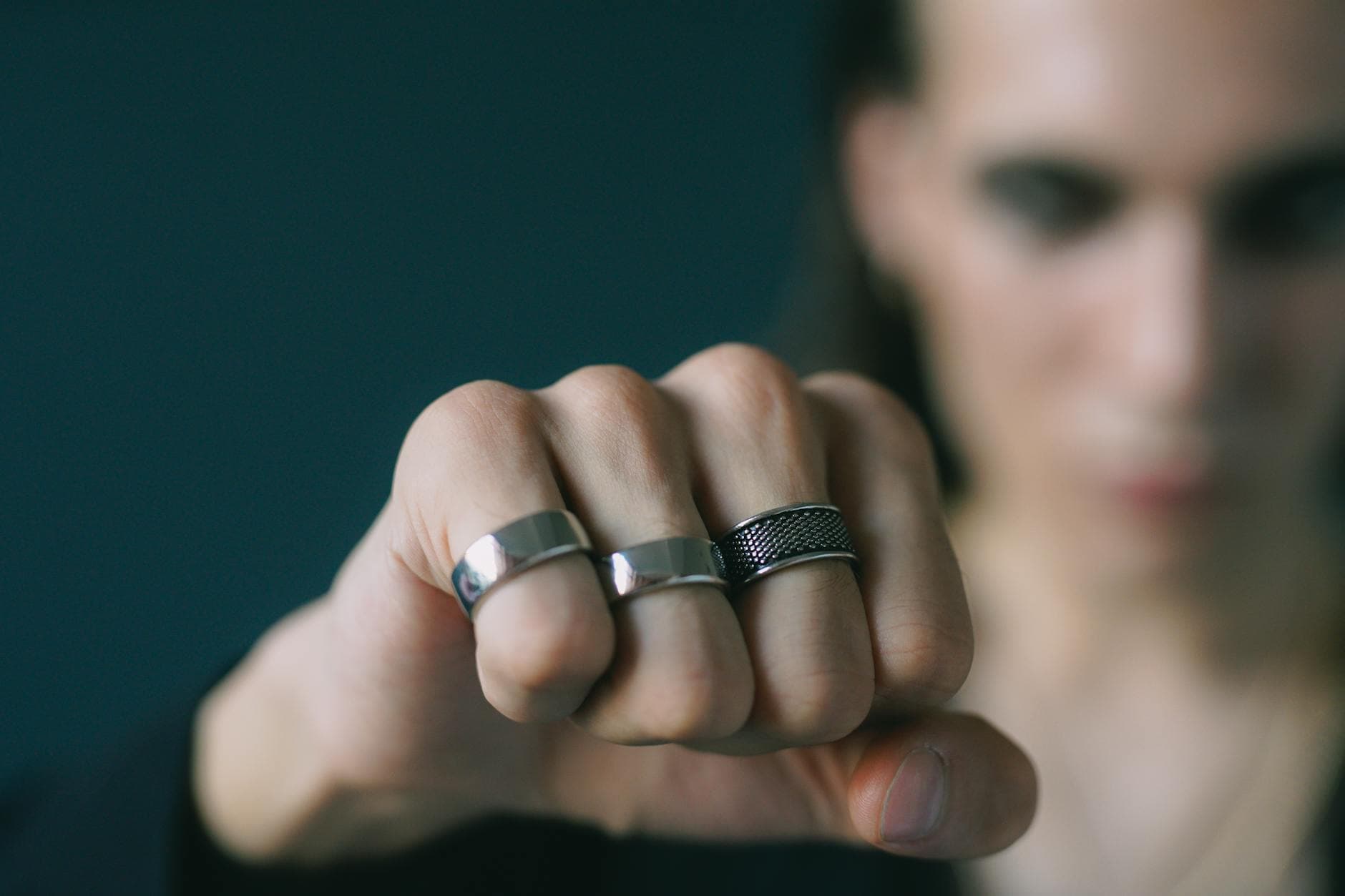
- Let one sculptural piece lead. A gold cuff or oversized earring looks sharper against a clean knit, a tailored blazer, or a simple crewneck than it does fighting with print and embellishment.
- Mix metals with intention. The trend is explicitly moving toward mixed-metal styling, but the look stays expensive when the mix feels deliberate, not random.
- Choose pearls with a twist. Reimagined pearls are part of the season’s vocabulary, which means irregular shapes, unexpected settings, and less primness.
- Use ring stacks to build character, not clutter. Chunky, layered rings work best when they look collected, which is different from simply wearing more.
- Keep diamonds playful, not precious in the old sense. The goal is sparkle with attitude, not a bridal showroom mood.
This is the real tension inside the 2026 jewelry shift. Old-money style bends when it lets the heirloom fantasy get a little stranger, a little louder, and a lot more personal. It stops being old money the moment the jewelry is no longer a quiet inheritance and starts acting like a declaration.
This article was produced by Prism’s automated news system from verified source data, official records, and press releases, then run through automated quality and moderation checks before publishing. The system is built and supervised by the people who set the standards it runs under. Read our full AI policy.
Did this article answer your question?