Quiet luxury gives way to colorful prep in 2026 wealth dressing
Quiet luxury didn’t disappear, it got louder, brighter, and more preppy. The new wealth uniform still reads old-money, but now it wants to be seen.
The new status code
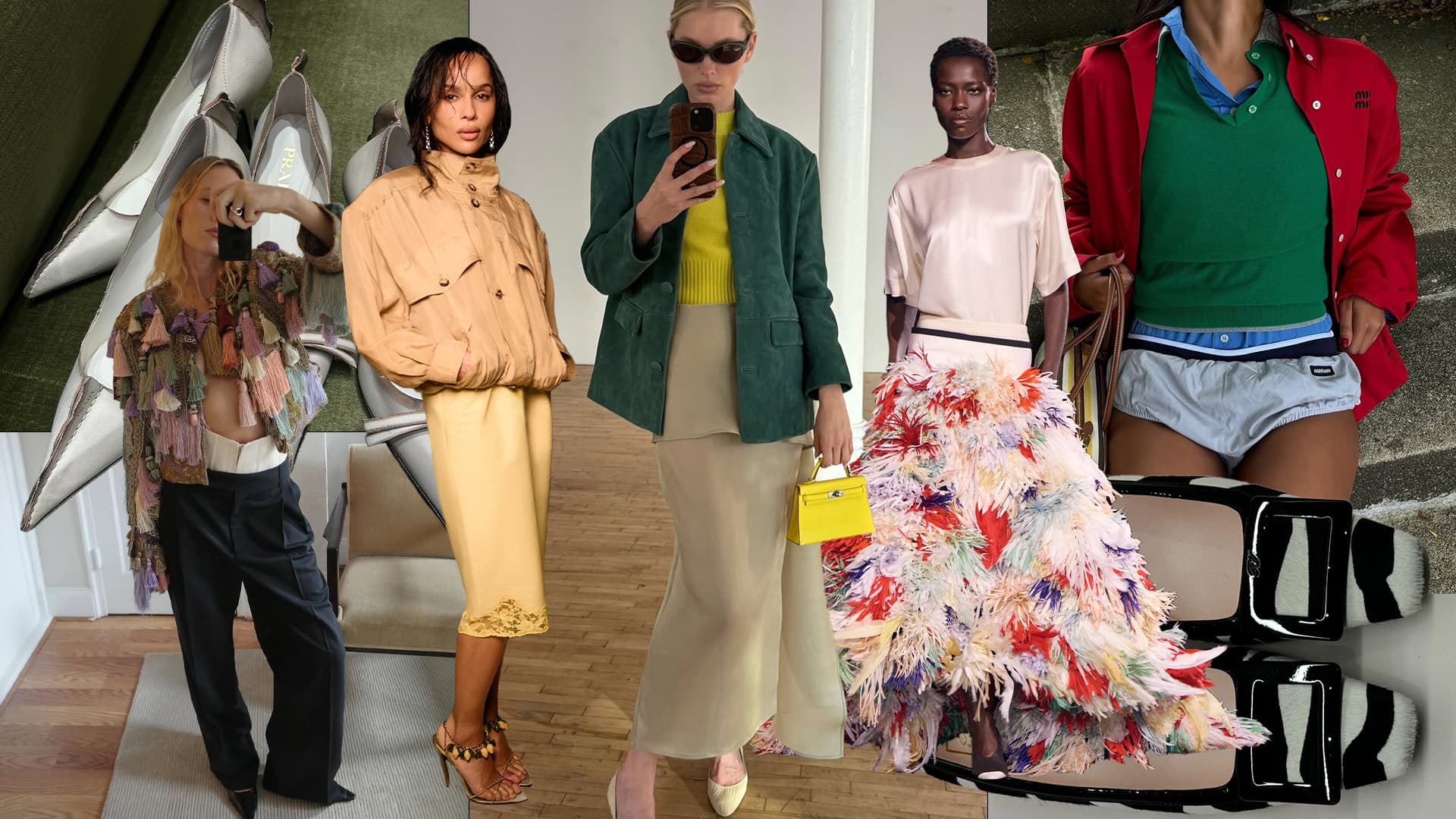
Quiet luxury is losing its monopoly on wealth dressing, and that’s the real story. The mood has shifted from staunch minimalism to modern maximalism, and the bluntest read on it is the cleanest one: quiet luxury is out, loud luxury is in. What replaced it is not chaos, but a more legible version of status, one that still leans on polish, restraint, and the old-money vocabulary of good taste, only now with color, sharper styling, and more personality.
That matters because the old-money look was never just one thing. CNBC nailed the point by treating it as a broad bucket that includes quiet luxury, classic prep, and even mob-wife styling. In other words, the code has always been bigger than beige cashmere and discreet loafers. It is about how wealth shows up in public, and right now it is showing up with more confidence, more texture, and a little less fear of being noticed.
What old money actually looks like now
The strongest version of the new old-money wardrobe still starts with heritage pieces, but it no longer stops there. Think polished prep, not school-uniform cosplay: crisp shirts, knit polos, pleated skirts, cable knits, striped shirting, loafers with real structure, and tailored outerwear that sits cleanly on the body. The difference is in the styling. The old quiet-luxury formula prized near-invisibility; the 2026 version wants a sharper silhouette, a richer color story, and enough visual signal that the outfit reads immediately across a room.
That is why prep keeps surviving every reset. It carries the right kind of social memory. A navy blazer, a rugby shirt, or a good pair of loafers still says inherited taste, private-school ease, and a life organized enough to make polish look effortless. But the current mood gives those classics more voltage. Instead of muting everything into oatmeal and stone, the new wealth dresser lets in deep green, burgundy, butter yellow, collegiate red, and sharp stripes that make the whole thing feel less museum-piece, more alive.
Why the shift feels bigger than fashion
This pivot is not just aesthetic, it is social. CNBC linked the rise of old-money dressing to the post-Covid K-shaped recovery, the widening split between wealthy consumers and everyone else. That context explains why understatement stopped feeling like the only power move. When the gap gets more visible, so does the pressure to signal belonging, and clothing becomes a cleaner shorthand for access, education, and moneyed ease.
That is also why the old-money conversation keeps broadening instead of narrowing. The point is no longer to hide the logo and hope the room notices your cashmere. The point is to build an outfit that codes as expensive without looking timid. Quiet luxury gave people a way to whisper status; the new version lets them speak more clearly. The whisper has become a curated announcement, but the best examples still avoid the cheap flash of obvious branding.
The commercial proof was already there
This shift did not come out of nowhere. FashionUnited reported that Joor data showed 2023 orders rose 6 percent and wholesale transaction volume rose 22 percent across a representative set of 15 luxury brands. That list included The Row, Lemaire, John Lobb, Sease, Valextra, and Johnstons of Elgin, which tells you exactly where the market was already leaning: toward logo-free, materials-first luxury with real wardrobe utility.
Those numbers matter because they show quiet luxury was never just an aesthetic mood board. It had commercial force. Before the current pivot to color and maximalist polish, consumers were already buying into a cleaner, subtler version of luxury that prized cut, fabric, and restraint over display. The difference now is that the market has not rejected that sensibility so much as stretched it. The appetite is still there for discreet, well-made pieces, but buyers want them with a little more presence and a little more personality.
How the modern old-money wardrobe is evolving
The smartest way to wear this trend is to think in layers of signal. Start with the classics, then turn up the saturation or the finish. A navy blazer over a jewel-tone knit feels more current than a full neutrals stack. A pleated trouser paired with a striped shirt and a rich leather loafer looks more expensive than a perfectly flat monochrome outfit that tries too hard to disappear. The trick is not loudness for its own sake. It is controlled visibility.
That is where prep and heritage dressing remain essential. They are the scaffolding that keeps the look from tipping into costume. A well-cut blazer, a heritage knit, a polished loafer, a slim tie, a proper trench, or a neat sack bag all still communicate the right lineage. What changes in 2026 is the attitude around them: less apologetic, less hushed, more aware that luxury now has to compete in a louder visual field.
What still reads old money, not just loud
Not every bold look gets to claim status. The difference between curated visibility and plain noise is discipline. Old-money dressing still depends on quality fabrics, clean proportions, and clothes that sit as if they have been worn before. Even when color enters the mix, the best versions feel composed rather than frantic. The leather is supple, the knit has weight, the stripe is deliberate, the tailoring has room to breathe.
That is why polish is still the key word. Heritage dressing works because it implies continuity. Prep works because it suggests institutions, rituals, and inherited rules. Polished maximalism works when it respects those codes instead of flattening them. The result is a wealth wardrobe that looks less like a disappearing act and more like a private club with the doors open just enough for the rest of the room to notice.
The quiet-luxury era taught people to trust fabric and cut. The next phase keeps that discipline but adds color, attitude, and a stronger social signal. In 2026, old money is still about taste, but taste no longer has to whisper to prove it belongs.
This article was produced by Prism’s automated news system from verified source data, official records, and press releases, then run through automated quality and moderation checks before publishing. The system is built and supervised by the people who set the standards it runs under. Read our full AI policy.
Did this article answer your question?