Quiet luxury takes over as old-money style shifts in 2026
Quiet luxury is still in charge, but the signal has sharpened: the new old-money look is judged by cloth, cut, and context, not by silence alone.
The new old-money code is less quiet than it looks
Quiet luxury has not vanished. It has become more exacting. What once read as a flat refusal of logos now feels like a harder test of taste, with Chanel, Dior, Carolina Herrera, Miu Miu, Dries Van Noten, and Fendi all reinforcing a more disciplined, polished aesthetic on the runway. WWD called the mood “growing up” and turning more ladylike, and that feels right: the clothes are still restrained, but they are less anonymous, more considered, and closer to real wardrobe intelligence than to a social-media uniform.
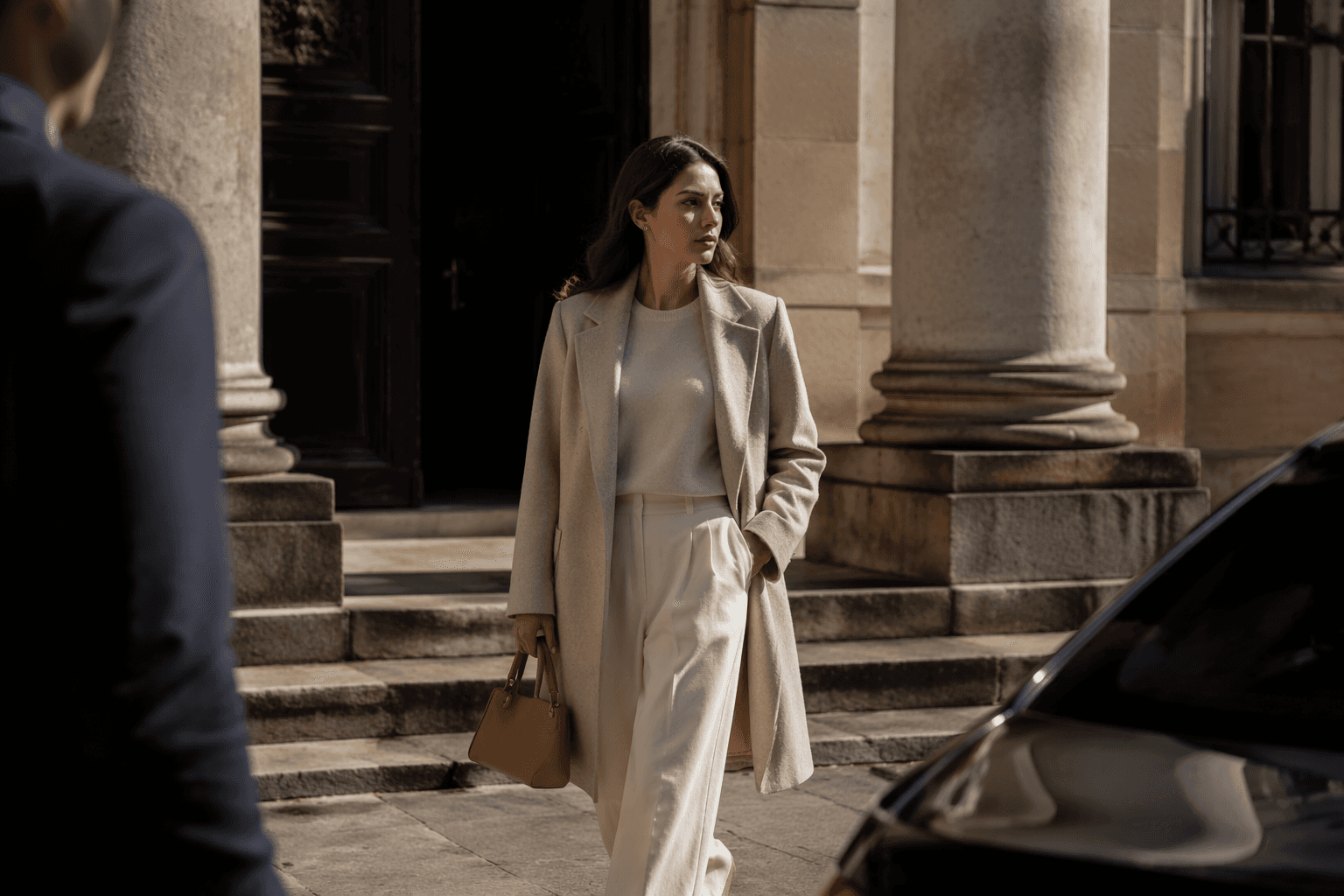
That matters because the old-money dress code has shifted from obvious wealth to credible wealth. A spotless navy coat, a sharp shoulder, a beautifully weighted skirt, a knit that holds its shape: these are now the pieces that read expensive without trying too hard. The trick is no longer to hide money. It is to make money look selective.
Luxury is slowing, and style is feeling the pressure
The broader market explains the mood. Bain & Company and Fondazione Altagamma estimate global luxury spending at €1.48 trillion in 2024, with the market down 1% to 3% at current exchange rates from 2023. The personal luxury goods segment, the part most relevant to fashion, fell to €363 billion, down 2% year over year and marking its first contraction in 15 years outside the Covid period.
That slowdown has changed what brands are selling and what clients want. Bain says luxury experiences outperformed goods as spending shifted toward travel and social events, while the most accessible luxury segments contracted and high-net-worth buyers showed stronger interest in more absolute expressions of luxury. In plain terms: the easy, heavily marketed version of luxury has lost some authority, and the market is rewarding clothes that feel rarer, more durable, and less performative.
What quiet luxury looks like now
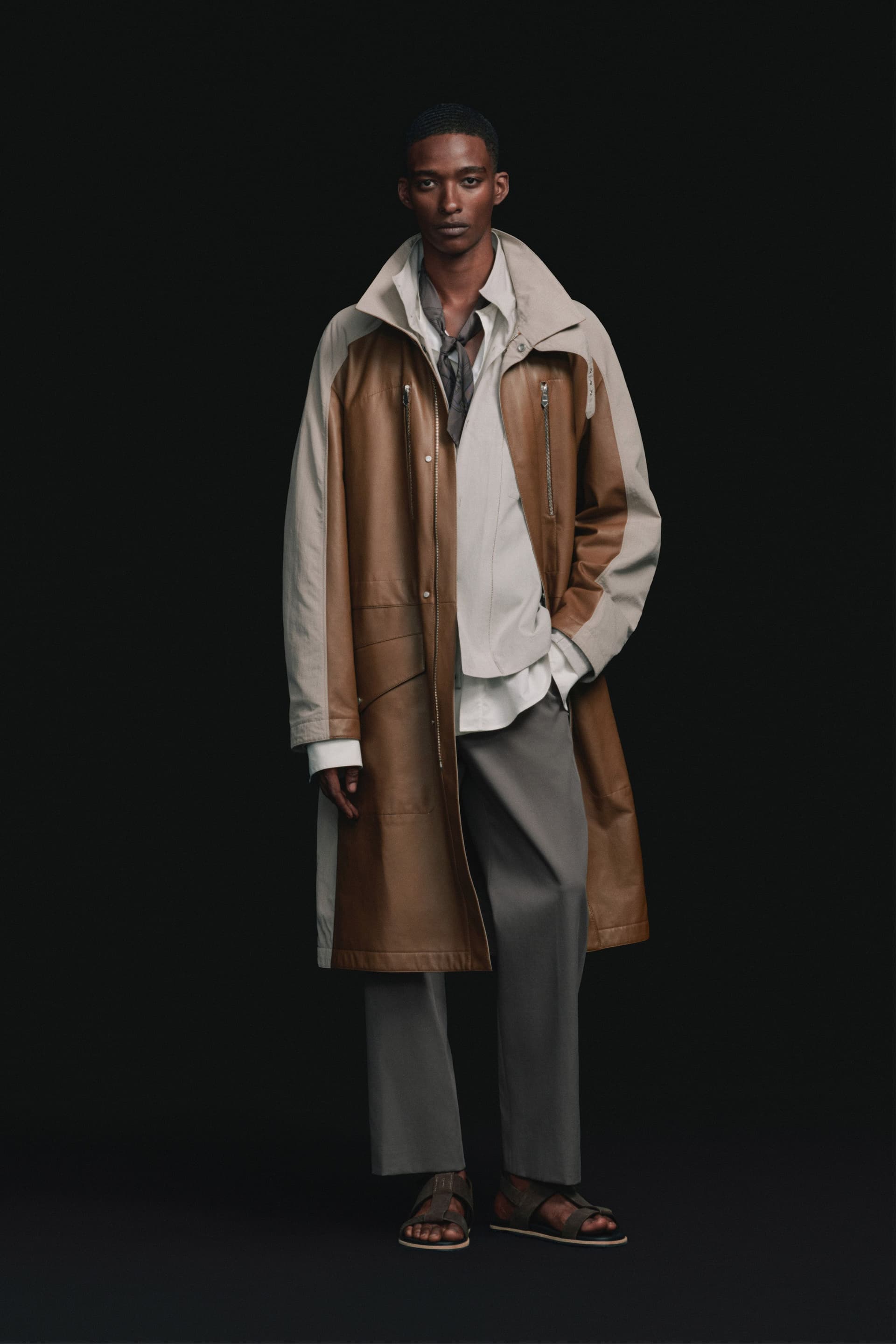
The old logo purge was only the first step. In 2026, the real distinction lives in fabrication, fit, provenance, and the setting in which the clothes are worn. A cashmere coat matters less because it is cashmere than because the cashmere is dense, the construction is clean, and the silhouette stays elegant when the wearer is moving through a real day, not posing for one.
That is why brands are leaning so aggressively into craftsmanship and durability. When a market softens, the clothes have to justify themselves. The pieces that win now are the ones that hold their line: a blazer that sits properly at the shoulder, trousers that fall without clinging, knitwear that feels substantial rather than decorative. Quiet luxury still works because it has moved beyond minimalism as a look and into minimalism as proof of quality.
The mood is softer, but not louder
At the same time, the runway has started to push back against pure stealth. Who What Wear noted that late 2024 signals suggested a move away from stealth wealth toward romance and modern maximalism in spring/summer 2025. That does not mean the old-money aesthetic has been replaced. It means it is being softened with detail: a fuller sleeve, a slight sheen, a ladylike collar, a more sculpted skirt.
This is where the best fashion houses have been smart. Dior and Carolina Herrera have long understood the power of polish. Chanel can take the discipline of tweed and make it feel modern again. Miu Miu, Dries Van Noten, and Fendi have all shown that quiet wealth does not have to be severe to be convincing. The new answer is not decoration for decoration’s sake. It is controlled romanticism, the sort that looks costly because it is proportioned with care.
How to dress the part now
If you want old-money style that still reads as real wealth, skip the logo-first logic and look for signs that are harder to fake.
- Choose cloth before branding. The strongest pieces are the ones with weight, texture, and a clean finish, not loud hardware.
- Favor fit over trend. A precise shoulder, an easy waist, and trousers with a disciplined drape will outlast any seasonal flourish.
- Look for provenance in the construction. The value is in the seam, the lining, the hand of the fabric, and the way the garment keeps its shape after wear.
- Keep the palette controlled. Camel, navy, black, ivory, and muted jewel tones still do the quiet work best.
- Add one softer note, not five. A ladylike blouse, a gentler hemline, or a subtle sheen is enough to keep the look current without tipping it into costume.
The point is not to disappear. It is to look specific. The richest clothes in 2026 are the ones that seem to belong to a life with nowhere to prove itself.
Why it still matters
McKinsey & Company and The Business of Fashion say the 2025 luxury outlook is shaped by slowdown, overexposure, diminished exclusivity, and disproportionately high prices, and their advice is revealing: sharpen long-term strategy, invest in craftsmanship, develop luxury experiences, recruit top talent, and expand into new categories. That is not a call for louder clothes. It is a warning that excess visibility has become its own kind of weakness.
So, is quiet luxury still the governing dress code? Yes, but only if it has evolved. The old-money look in 2026 is no longer about looking invisible. It is about looking inevitable, with enough restraint to feel exclusive and enough polish to justify the price.
This article was produced by Prism’s automated news system from verified source data, official records, and press releases, then run through automated quality and moderation checks before publishing. The system is built and supervised by the people who set the standards it runs under. Read our full AI policy.
Did this article answer your question?