Quiet luxury wins as The Row and Phoebe Philo surge
Big logos are losing authority. The Row and Phoebe Philo show why status now lives in restraint, edit, and insider recognition.
The new luxury code
Big bling is starting to read as effort. The most polished buyers are moving toward clothes that do not beg to be noticed, and that shift is giving real power to labels that understand silence better than spectacle. The Row and Phoebe Philo are the clearest proof: both turn restraint into status, and both make the case that old-money dressing is now about recognition, not display.
Why The Row still feels like the right kind of expensive
The Row, founded in 2005 by Ashley Olsen and Mary-Kate Olsen, built its reputation on a simple idea: if the cut is exact enough, the logo becomes unnecessary. That low-noise approach is not an aesthetic flourish, it is the brand’s entire authority. The clothes are meant to look edited, not decorated, and that distinction matters when luxury shoppers are tired of pieces that announce themselves before they have earned a place in the wardrobe.
The brand’s retail footprint reinforces the message. Instead of flooding the market, The Row has kept a tightly controlled presence with stand-alone stores in New York, London, the Hamptons, Los Angeles and Paris, where it opened a flagship in September 2024. Scarcity is doing as much work as the fabric here. When a label is available in only a few carefully chosen cities, it feels less like a fashion rush and more like a private code.
That code has real financial weight. Bloomberg reported in September 2024 that The Row drew minority investment from the Wertheimer family, behind Chanel, and from a vehicle tied to Françoise Bettencourt Meyers, valuing the company at about $1 billion. That kind of backing does more than validate a brand; it signals that the people who already sit inside luxury’s inner circle see The Row as something rarer than a trend. It is a house built to be worn, reworn and recognized by the right eyes.
Phoebe Philo and the power of not overexplaining
Phoebe Philo is the other half of this shift, but her approach is even more severe. After serving as creative director of Céline from 2008 to 2017, she launched her eponymous label in October 2023 with minority backing from LVMH and almost none of the usual fashion machinery. There was no runway show, no advertising campaign, no celebrity placements and no collection notes. In an industry that often confuses volume with relevance, that absence became the statement.
The result has been brisk business, and that matters because it shows the appetite is not theoretical. Phoebe Philo Ltd. reportedly generated £11.2 million in revenue for the year ending December 31, 2024, up from £5.7 million in 2023. Early 2026 industry coverage said 2025 sales had reportedly moved past $41 million. Those numbers suggest that discretion is not just culturally fashionable, it is commercially powerful.
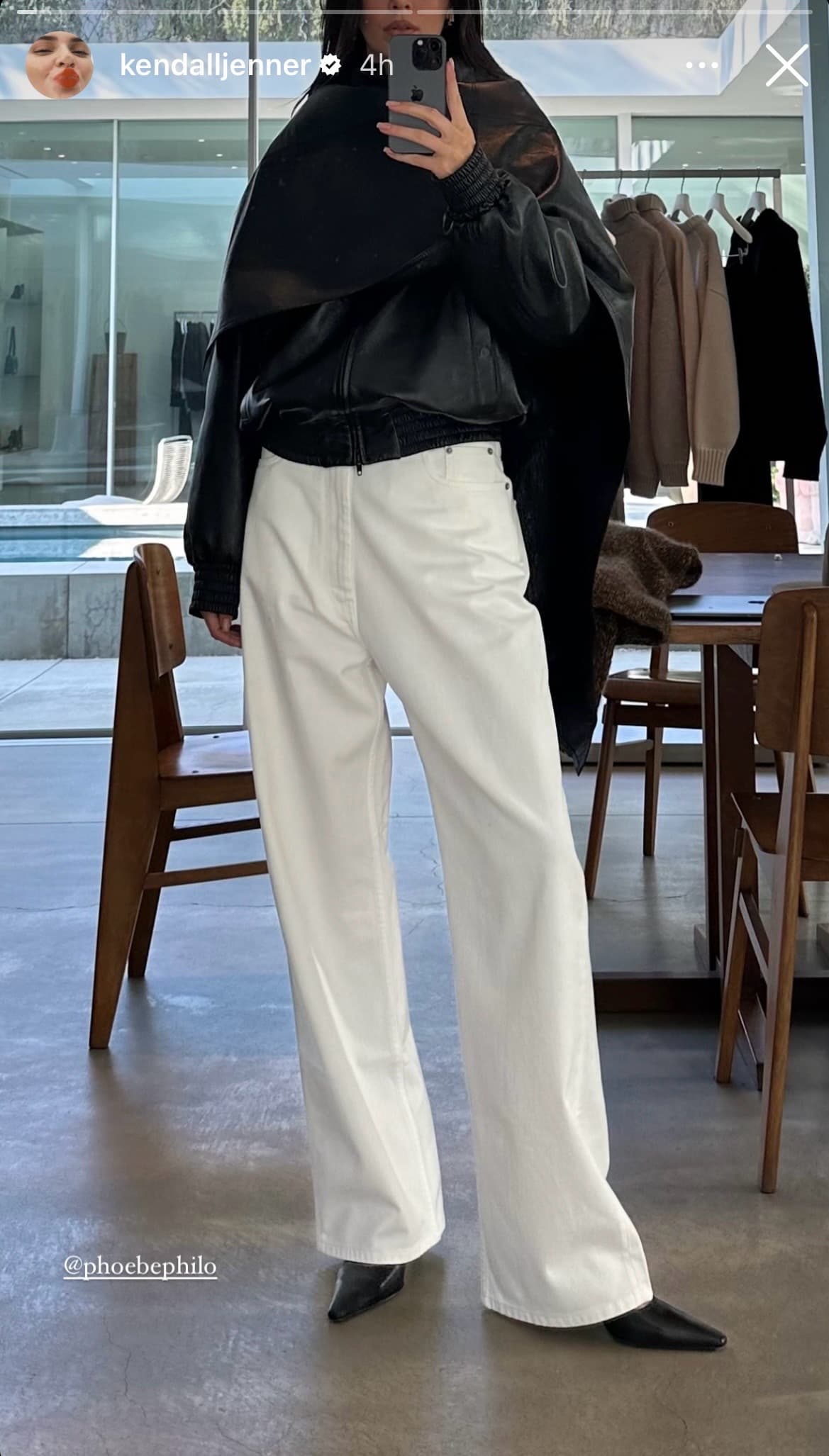
Philo’s appeal comes from a specific kind of confidence. Her clothes do not need a chorus around them. They rely on proportion, line, and the sense that every decision has been edited down to the necessary minimum. That is very different from generic minimalism, which often looks cheap precisely because it stops at plainness. Philo’s work feels considered. It has weight, even when it is visually quiet.

What the new old-money signal really looks like
Quiet luxury only works when restraint is backed by discipline. The Row and Phoebe Philo both understand that the message is not “buy less” but “buy better, and buy with intent.” The shift from logo-first dressing to insider recognition has made the old-money look less about obvious expense and more about control, rewearing and the confidence to let quality do the speaking.
If you want the real thing, look for these clues:
- A tightly edited brand story, not an endless stream of drops.
- Distribution that feels selective, not ubiquitous.
- Materials and construction that reward touch, drape and time.
- Silhouettes that look sharpened rather than merely stripped back.
- A wardrobe that suggests repetition is part of the point, not a flaw.
What to skip is just as important. Skip minimalism that relies only on beige, black or cream to fake sophistication. Skip pieces that feel interchangeable with every other “quiet” label on the rack. Skip anything that looks designed to be photographed once and forgotten. Real discretion has tension in it: the seams are cleaner, the shape is more assured, the finish is harder to pin down.
Why the market is leaning this way now
This taste shift is happening against a more complicated luxury backdrop. Analysts and trade coverage have pointed to slowing momentum at major groups such as LVMH and Kering, even as the quieter end of the market gains traction. The old-money mood has been linked to post-pandemic inequality and to a growing preference for investment dressing over logo-heavy status signaling. In other words, the people luxury wants most are no longer trying to look loud. They are trying to look certain.
That is why the image of hundreds of shoppers queuing for hours in New York City in October 2025 for discounted luxury clothing and accessories matters. Demand has not disappeared. It has fragmented. Some shoppers still chase the trophy buy, but the highest-status customers are increasingly rewarding brands that feel private, edited and hard to imitate.
The lesson is simple: big bling is no longer the safest way to signal power. The new authority lives in the brands that know when to stop, and in wardrobes that look expensive because they have been chosen with discipline, not decorated with desperation.
This article was produced by Prism’s automated news system from verified source data, official records, and press releases, then run through automated quality and moderation checks before publishing. The system is built and supervised by the people who set the standards it runs under. Read our full AI policy.
Did this article answer your question?