Ralph Lauren leans into heritage tailoring and sporty neckwear in Milan
Ralph Lauren made the tie the star again, from scarf-like knots to cravats and velvet bows. It is old-money dressing with muscle, polish and just enough sport.
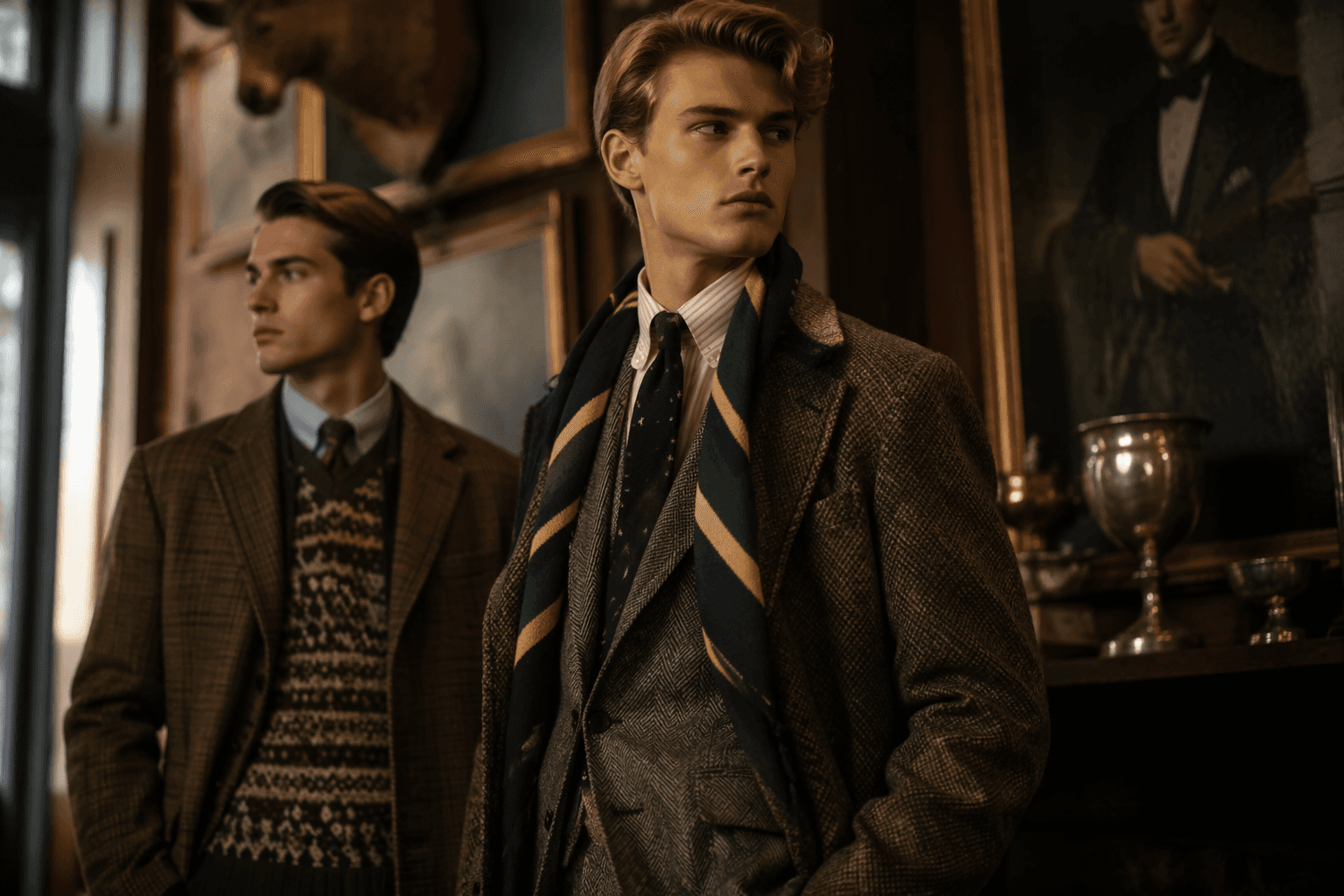
Ralph Lauren staged its Spring/Summer 2027 menswear show in the courtyard of Palazzo Ralph Lauren in Milan, and the message was as crisp as a starched collar: old-money style is not fading, it is getting dressed. The brand leaned into heritage tailoring, collegiate ease and a distinct gentleman-athlete spirit, but what made the collection feel newly relevant was its insistence on neckwear. In a menswear moment crowded with soft tailoring and casual shorthand, Lauren chose formality, then made it feel lived-in.
The new old-money signal is a tie
The strongest move on the runway was not a loud logo or a sharp shoulder. It was the return of the neck. WWD described floppy, scarf-like ties, velvet bows with a Western twist and whorled cravats, all of them a little more expressive than the standard silk tie and a lot more interesting than a bare open collar. Silk necktie fabrics also showed up elsewhere, on patchworked clothing, bags and dress pumps, which pushed the idea beyond a single accessory and into the texture of the whole look.
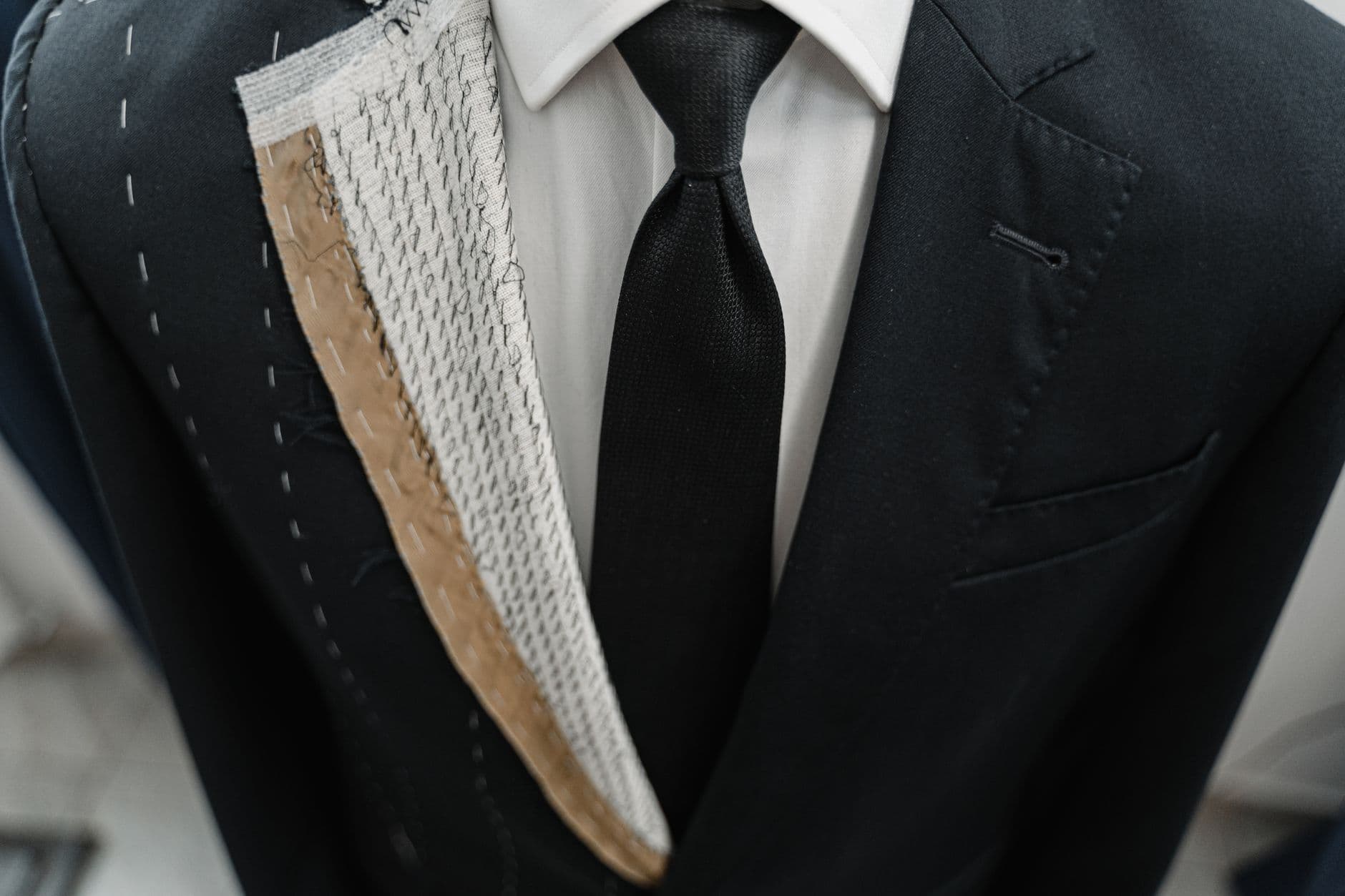
That matters because old-money dressing can too easily flatten into clichés: navy blazer, khaki trouser, white shirt, done. Lauren’s version argues for a stronger point of view. The neckwear gives the clothes ceremony, while the softer, more relaxed constructions keep them from feeling museum-bound. If you want the clearest takeaway from Milan, it is this: a tie is back as a status signal, but not the stiff, corporate version. It is being worn as style, not obligation.
Polo and Purple Label were speaking two different dialects of the same language
Ralph Lauren’s collection moved with a real split-screen energy. On one side were collegiate codes, relaxed utility and outdoor references. On the other was Purple Label polish, the house’s most tailored and refined expression of American luxury. Together they built the brand’s familiar fantasy of the well-traveled, well-bred man who can move from country lawn to city dinner without changing his essential vocabulary.
Reuters described the range as moving from bankerly pinstripes to layered festival wear, which is exactly where the tension lived. The pinstripes brought back boardroom discipline and East Coast formality; the layered looks loosened the silhouette and made room for motion, weather and a little romance. That balance is what keeps the old-money aesthetic from turning static. It is no longer only about restraint. It is about how restraint meets ease.
- Keep the tailoring sharp, but allow the layers to soften it.
- Use neckwear to add intention, not stiffness.
- Pair polished fabrics with utilitarian pieces so the look feels active, not precious.
- Treat Purple Label-style refinement as the anchor, then add one piece with movement, whether that is a scarf tie, a cravat or a relaxed outer layer.
For your wardrobe, the lesson is straightforward:
Milan was the right stage for the house code
Ralph Lauren presented the show during Milan Men’s Fashion Week, on the first day of the schedule, in the courtyard of its Milan headquarters. AP noted that this was the brand’s second season showing menswear in Milan after a more than 20-year hiatus from the city, and the setting made the point unmistakably clear: Ralph Lauren is not treating Milan as a detour. It is using the city to reassert the seriousness of its menswear.
The location also sharpened the brand’s old-world, old-money charge. Palazzo Ralph Lauren gave the collection a sense of lineage, while the courtyard kept it open to air and movement. That combination echoed the clothes themselves. These were not rigid, ceremonial pieces locked behind glass. They were tailored, but athletic. Polished, but ready to move.
The front row told you how far the brand travels
The guest list looked less like a niche menswear salon and more like a cultural summit. Lewis Hamilton, Colman Domingo, Henry Golding, Tom Hiddleston, Scott Eastwood, Noah Schnapp, Nick Jonas and Kim Woo-bin all sat front row, giving the show a reach well beyond the traditional buyer circle. That matters because Ralph Lauren has always sold an image as much as a garment, and this crowd showed the image still has pull across generations and style tribes.
The mix of names also fit the collection’s own duality. Hamilton and Domingo bring polish with personality. Hiddleston and Eastwood read more classic. Nick Jonas and Noah Schnapp signal a younger audience that does not necessarily dress like its fathers, but still understands the appeal of a clean collar and a well-cut jacket. In other words, the show did not just announce a collection. It broadcast a broader cultural permission slip for dressing up again.
Why this old-money turn feels different now
Ralph Lauren has been explicit about the ideas behind its menswear: collegiate tradition, refined tailoring and sporting heritage. The brand has also described its inspiration as coming from “the ease and traditions of collegiate style and the gentleman athlete.” That phrase explains the whole collection better than any mood-board shorthand could. The point is not aristocratic stiffness. It is the old-money fantasy updated for a man who moves, sweats, travels and still wants to look composed.
That is why the neckwear matters so much. A tie, a cravat or a velvet bow instantly changes the posture of an outfit. It brings back intention, and intention is what separates heritage style from costume. Ralph Lauren’s Milan show suggested that the next phase of old-money dressing will not be quieter. It will be more exacting, more textural and more willing to make formality look natural again.
This article was produced by Prism’s automated news system from verified source data, official records, and press releases, then run through automated quality and moderation checks before publishing. The system is built and supervised by the people who set the standards it runs under. Read our full AI policy.
Did this article answer your question?