Ralph Lauren retrospective celebrates decades of enduring preppy elegance
A 632-page Ralph Lauren retrospective turns five decades of preppy polish into a wardrobe blueprint, from white shirts and navy to the kind of evening minimalism that never looks forced.
The archive that explains the look
A new 632-page Ralph Lauren retrospective makes a simple case with overwhelming force: when a designer’s runway archive holds more than 1,300 images, the idea of “preppy” stops being a mood and becomes a system. Published by Thames & Hudson, *Ralph Lauren Catwalk: The Complete Collections* spans women’s runway looks from fall 1972 through fall 2025, and it is the first American fashion house to enter the publisher’s Catwalk series, which has sold 2.5 million copies in print worldwide. That scale is the real hook here. This is not nostalgia for its own sake, but a record of how a vocabulary of restraint, polish, and fantasy became one of fashion’s most recognizable signatures.
Bridget Foley, the fashion journalist and former executive editor of WWD, wrote the volume as the eleventh installment in the series. Yale Books describes it as an official and authorized overview, built from original catwalk photography, more than 100 collections, and 1,200 color and black-and-white illustrations. In other words, this is the archive laid out in full: not a greatest-hits reel, but a long, steady argument for the value of consistency.
The codes that built old-money dressing
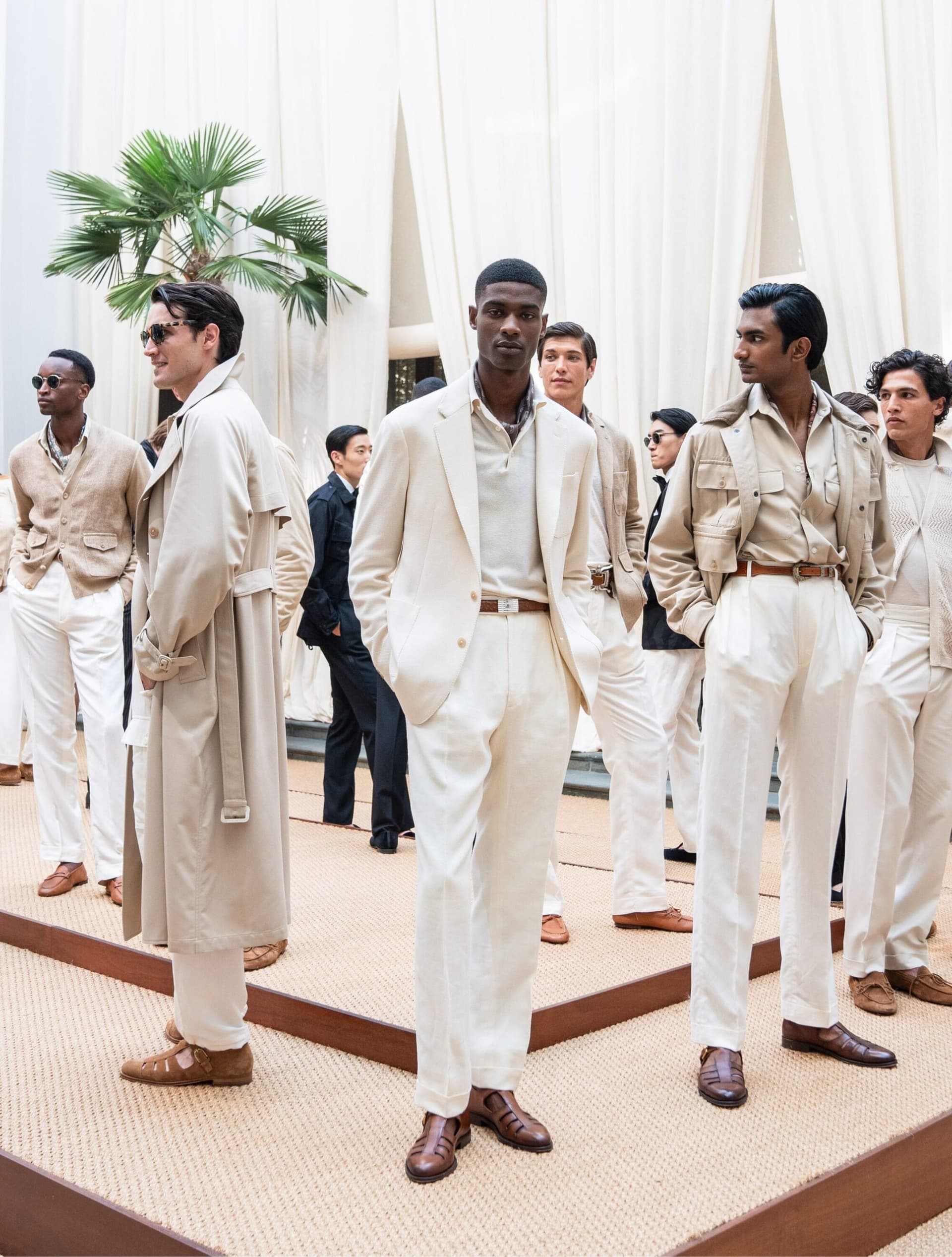
What makes Ralph Lauren so enduring is not excess, but discipline. The book highlights the designer’s signature mix of masculine and feminine elements, along with inspiration drawn from New England, the American West, and Hollywood glamour. From that framework came the visual codes that still define old-money style today: equestrian references, menswear tailoring, white shirts, navy, camel, and a kind of evening minimalism that never feels overworked.
Equestrian references give the look its quiet authority. Think polished boots, tailored jackets, and clothes that suggest the confidence of inherited ease rather than display. Menswear tailoring does the same work in a different register, borrowing structure from a man’s wardrobe and sharpening it for women with crisp shoulders, clean lines, and a straight posture through the body. These are clothes that look better when they are worn in, not when they are over-styled.
White shirts and navy remain the backbone because they are both practical and exacting. A white shirt can read formal, casual, or expensive depending on the cut and collar, while navy has the discipline of black with a little more softness, especially when paired with cream, denim, or camel. Camel, meanwhile, brings warmth and a landed, autumnal richness that immediately signals old money without ever spelling it out. It is one of those colors that makes wool look denser, leather look better, and a simple coat feel like a family heirloom.
Why the Lauren formula still looks modern
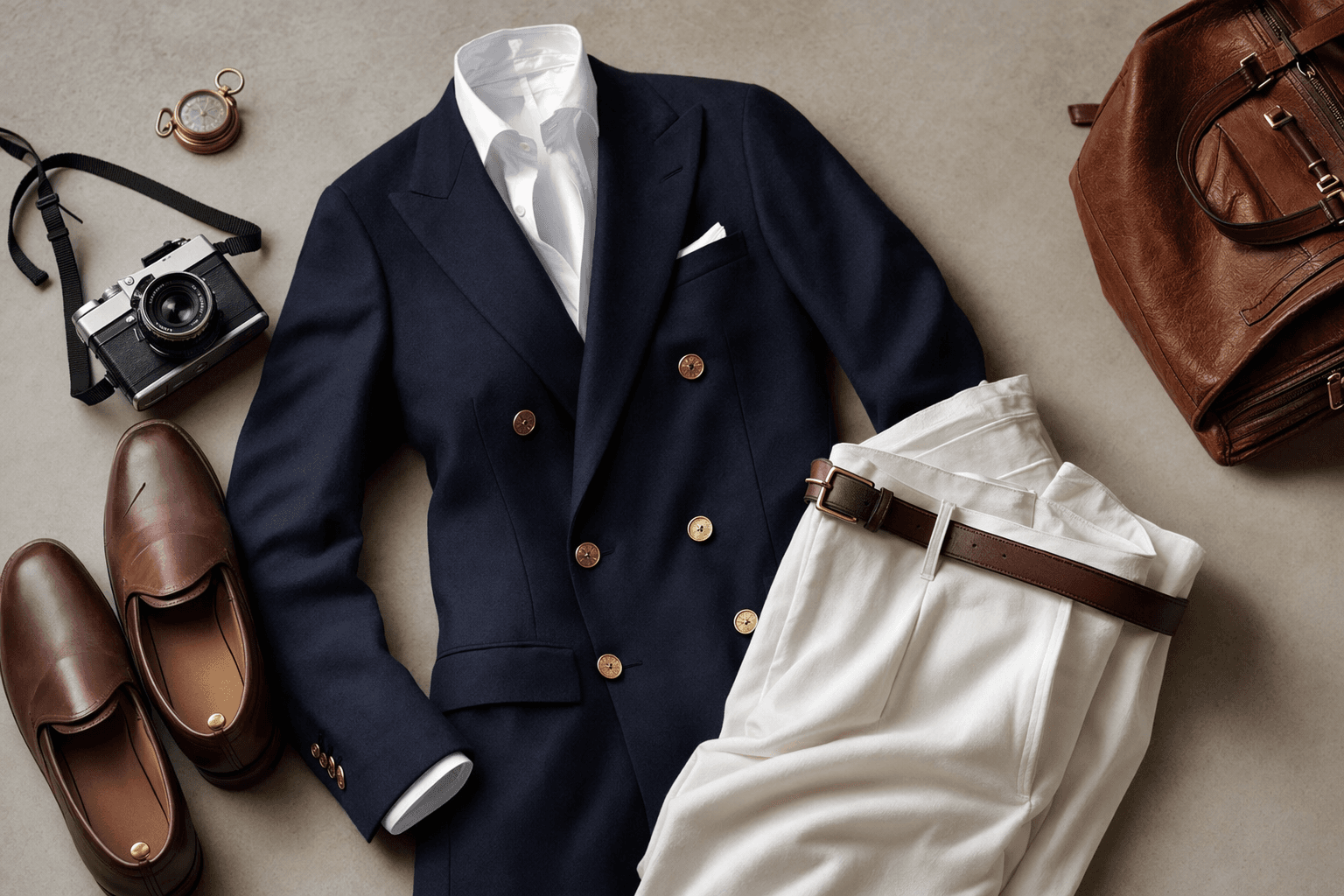
The reason this archive still matters now is that Lauren’s elegance is built to move between settings. Ralph Lauren told WWD that he has always been inspired by things that last, adding, “I don’t pursue trends; I value things that endure and get better with each wear.” That line explains the whole wardrobe logic here. The strongest looks are rarely the loudest ones. They are the ones that can be taken apart and worn again: a navy blazer with jeans, a white button-down under a camel coat, or a lean evening dress that lets the woman, not the embellishment, carry the moment.
That is also why the book’s chronology matters. Ralph Lauren began in 1967 making neckties under the Polo label before moving into women’s fashion, and his first full women’s collection arrived in fall 1972. By the time his first Paris store opened in 1986 on the Place de la Madeleine, the brand had already proved that an American take on polish could stand comfortably among European luxury houses. The Paris address matters because it marked acceptance, but the runway archive shows the deeper story: Lauren was never trying to mimic European codes. He was translating American ones until they became desirable on a global scale.
The wardrobe pieces that still earn their keep
If you want the Lauren effect in a real wardrobe now, start with the pieces that do the most with the least. The book’s strongest visual thread is not one garment but a set of repeatable formulas that still feel relevant because they are so easy to wear.
- A white shirt with a strong collar and a body that skims, not clings, worn with tailored trousers or deep indigo denim.
- A navy blazer with enough structure to sharpen a simple tee, but enough ease to slip over a knit in daylight.
- A camel coat or wrap, cut cleanly enough to flatten a look into quiet luxury without looking polished to death.
- A menswear-inspired suit or separate, softened with a silk blouse or a sleek tank so the silhouette keeps its edge.
- An evening piece that stays minimal, with clean seams, controlled shine, and no need for heavy decoration.
That last category is where Lauren’s old-money language is most persuasive. Evening minimalism, the kind that lets fabric and line do the talking, feels especially modern because it resists the overworked glamour that dates so quickly. A long black dress, a simple column, or a gown with just enough shape to catch light can look more expensive than anything covered in obvious decoration. The book makes clear that refinement is often a matter of subtraction.
What the retrospective really celebrates
The retrospective also reminds you that Ralph Lauren’s world has always been bigger than clothes alone. It is built from story, place, and a very specific idea of American aspiration, one shaped by the ranch, the club, the city, and the coast. That is why the clothes still read as old money even when they are new: they are designed to suggest a life already in motion, as if they have been inherited, worn, and trusted for years.
Thames & Hudson’s Catwalk series has sold 2.5 million copies because people understand the appeal of a fashion house that knows its own language. In Ralph Lauren’s case, that language has lasted more than five decades because it is based on recognizable truths: a white shirt sharpens everything, navy never shouts, camel always softens, and tailoring can make even the simplest outfit feel composed. The archive does more than preserve the look. It shows why the look still works.
This article was produced by Prism’s automated news system from verified source data, official records, and press releases, then run through automated quality and moderation checks before publishing. The system is built and supervised by the people who set the standards it runs under. Read our full AI policy.
Did this article answer your question?