Ralph Lauren’s timeless codes keep old money style in demand
Ralph Lauren turned consistency into status. Its heritage codes, not trend churn, are why old money style still reads as polished and relevant.
Ralph Lauren understood something most labels never do: in fashion, repetition can be more powerful than reinvention. What looks, from a distance, like restraint is actually a finely tuned status system, built on recognizable codes, wearable continuity, and a lifestyle fantasy that still feels expensive without looking desperate for attention.
The house that made timelessness feel aspirational
Ralph Lauren did not arrive as a ready-made empire. It launched as a tie business in 1967, followed by Ralph Lauren’s first full men’s collection in 1968. The first Polo by Ralph Lauren shop opened in Bloomingdale’s in 1970, then came his first women’s designs in 1971 and the Polo shirt in 1972, which became an icon of American style. That sequence matters because it shows how deliberately the brand constructed its identity, one polished step at a time.
The result is a label that does not need to chase the mood of the moment to stay relevant. Ralph Lauren’s power comes from the way it turns timelessness into a durable luxury product. Trend-led labels can burn hot, then vanish from the conversation. Ralph Lauren keeps selling because it offers something more stable: a recognizable world, a believable wardrobe, and the comfort of knowing exactly what the house stands for.
Why the old-money reading sticks
Britannica describes Ralph Lauren’s brand as built around an elite American lifestyle that evoked English aristocracy filtered through sporty East Coast style. That blend is the secret. The clothes carry the polish of country-house dressing, the ease of Ivy League prep, and the studied confidence of old Hollywood glamour, all without tipping into costume.
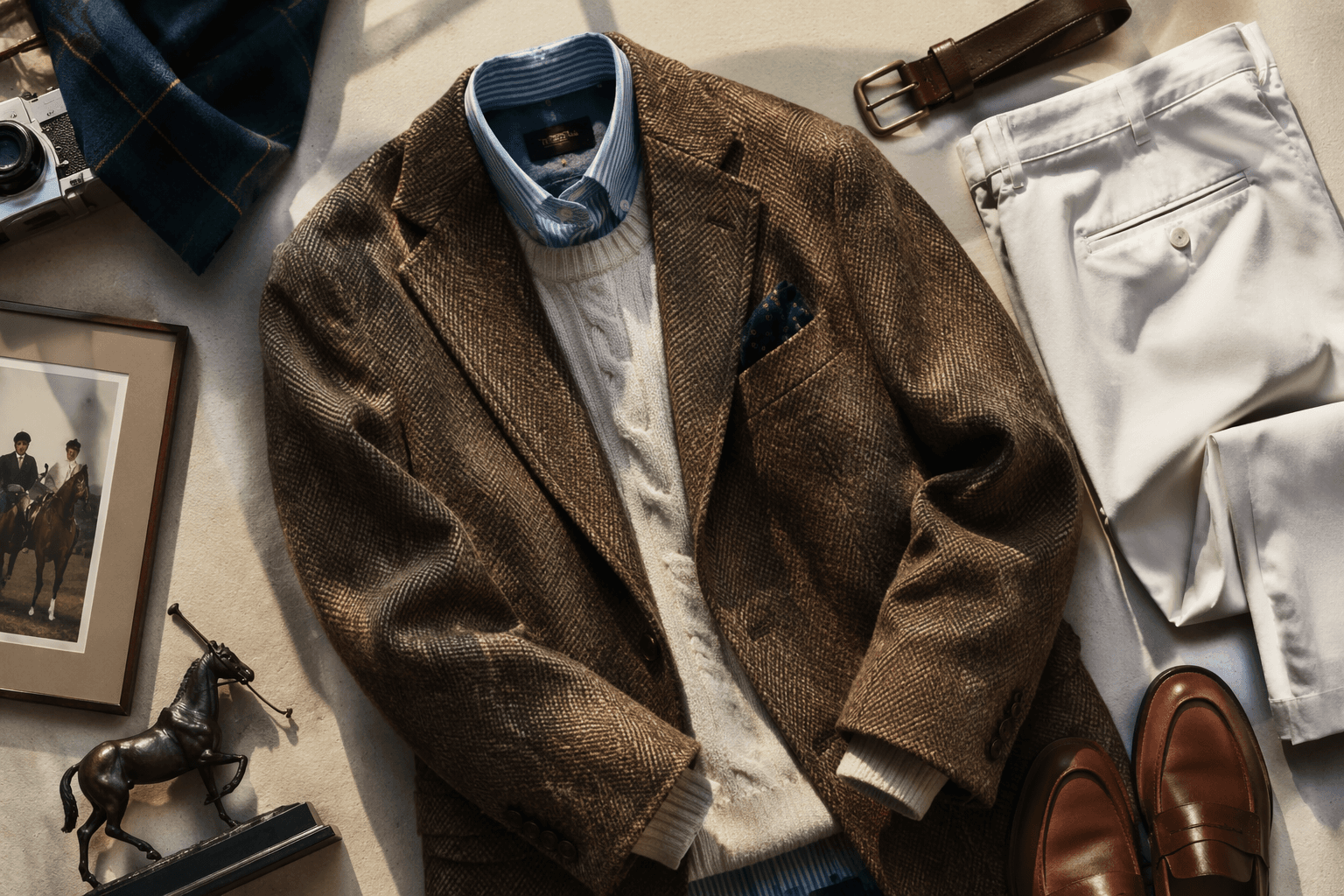
This is why the brand still lands so cleanly with old-money dressing codes. It signals authority without shouting, restraint without austerity, and wealth without the brittle freshness of trendiness. The clothes feel inherited, even when they are new, because the language is so legible: a sharp blazer, a clean polo, a soft sweater, a tailored trouser, a polished loafer. The pieces do not beg to be noticed, but they are instantly recognizable to anyone who knows the code.
The formula that keeps winning
The beauty of Ralph Lauren is that the formula is repeatable. The brand’s own heritage storytelling has long emphasized romance and detail, and that emphasis helps explain why the clothes still feel lived-in rather than overworked. The panel discussion from Bazaar framed the brand’s strength through useful contradictions: modern yet classic, elevated yet inclusive, aspirational yet accessible. Those tensions are exactly what make the label so durable.
That balance is the difference between dressing expensively and dressing well. A lot of fashion sells novelty, but old-money style depends on wearable continuity. You want pieces that move easily from city to country, weekday to weekend, season to season. Ralph Lauren has spent decades making that continuity look like taste, which is why the brand’s signal remains strong while trend-first labels fade as soon as the market gets bored.
What to wear if you want the look
The smartest way to approach Ralph Lauren is not as a logo exercise, but as a vocabulary. Think in terms of texture, proportion, and polish. The brand’s world is built from pieces that feel grounded and tactile, not fragile or overdesigned.
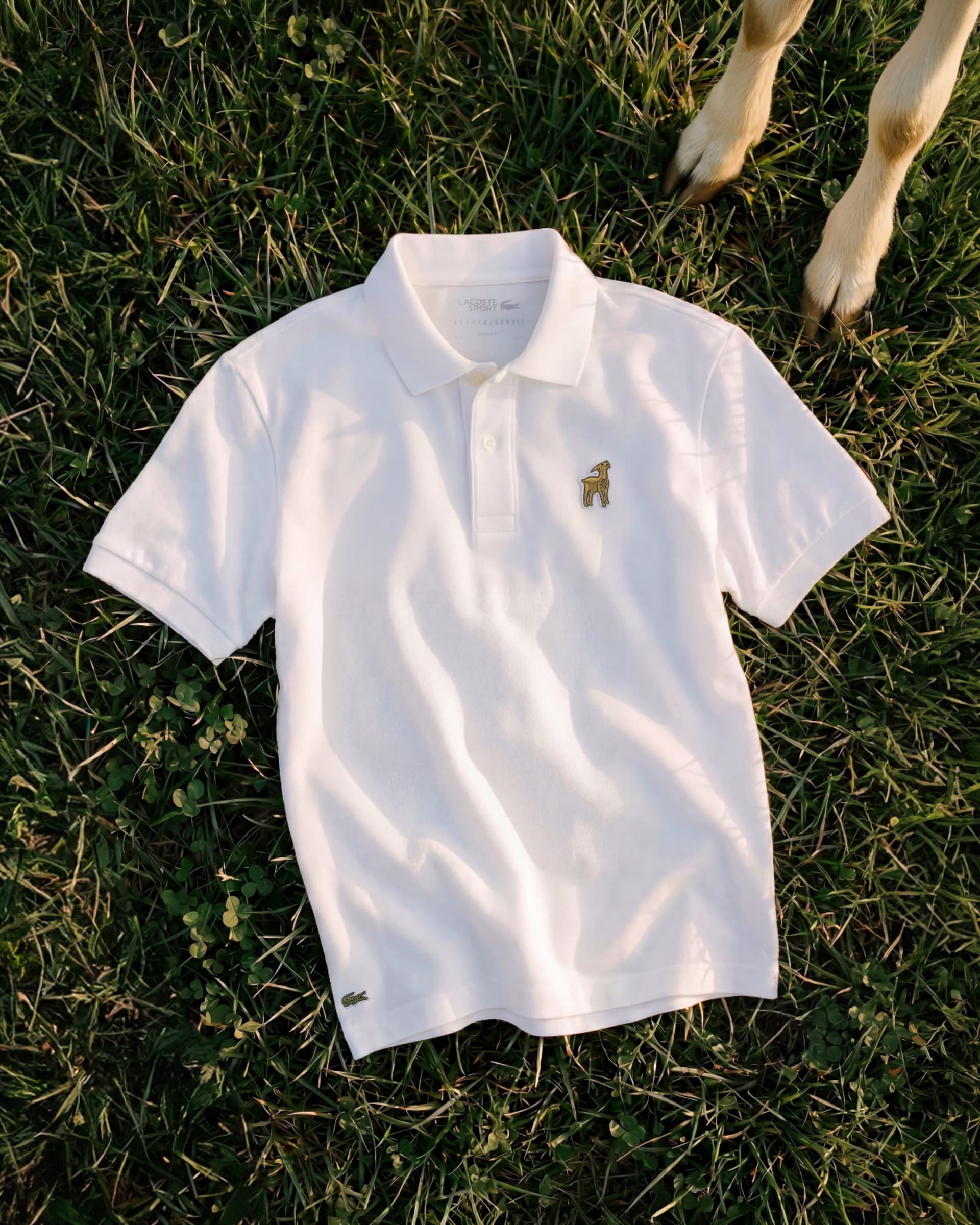
- A polo shirt worn crisp, not tight, with the collar neat and the fit relaxed enough to read as ease, not effort.
- Tailoring that looks clean and considered, with enough structure to sharpen the silhouette without stiffening it.
- Sweaters and knits that suggest warmth and permanence, especially when layered over shirts or paired with tailored bottoms.
- Pieces that can be reworn often and styled in more than one way, because repetition is part of the status signal.
The point is not to look new. The point is to look certain.
What to skip
If Ralph Lauren represents old money at its most persuasive, the opposite is anything that feels overly engineered to trend. Skip pieces that rely on novelty for their value, oversized graphics that do the talking for you, or styling choices that look clever for one season and exhausted the next. Old money dressing works because it does not need explanation.
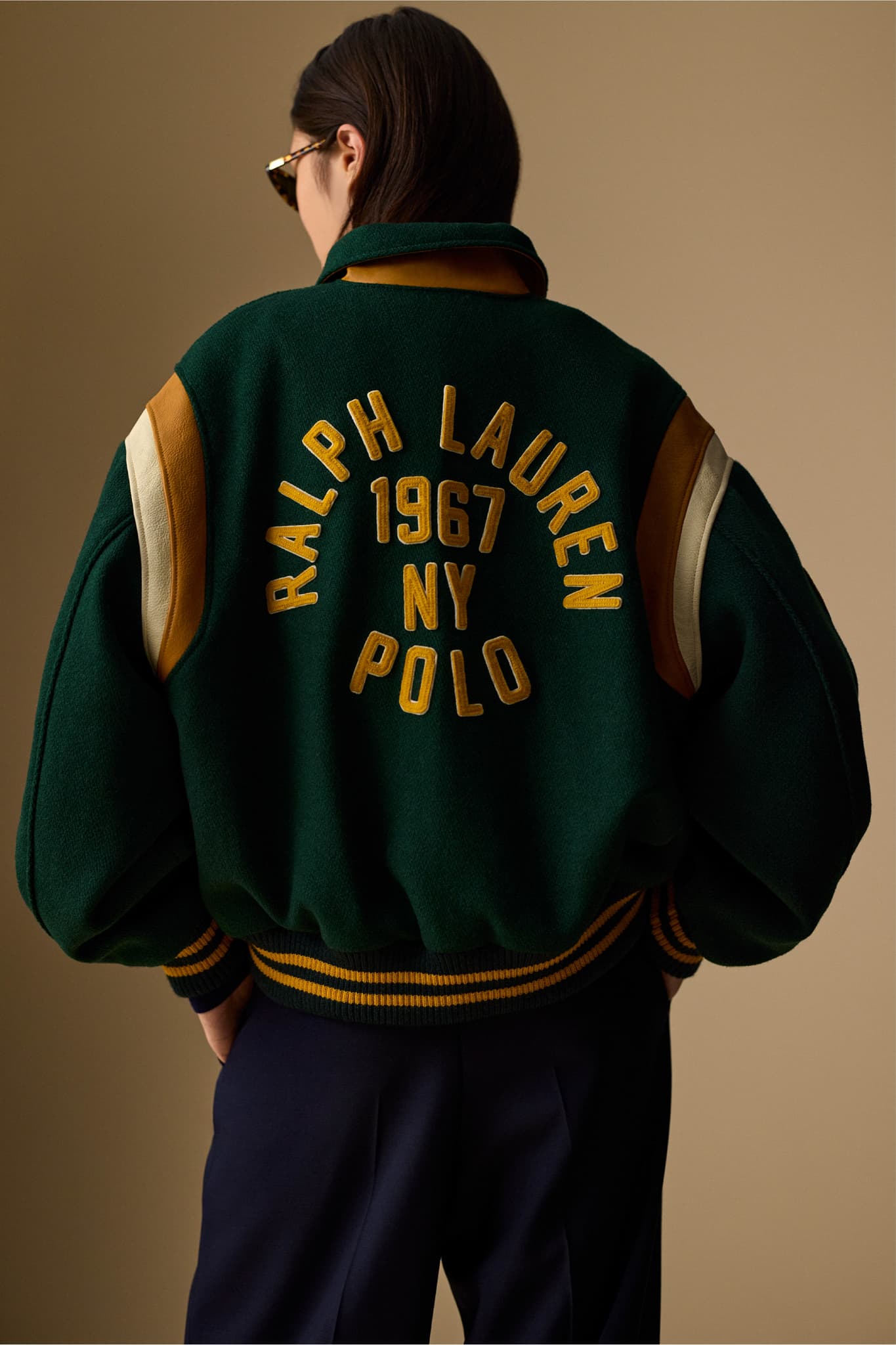
Avoid anything that breaks the continuity of the look. A wardrobe built around Ralph Lauren’s logic should feel coherent, not theatrical. The brand’s strongest pieces are the ones that can sit beside each other for years and still make sense, which is exactly why the house’s aesthetic keeps outperforming trend chasing.
The business case for restraint
The commercial scale backs up the style story. Ralph Lauren reported about $7.08 billion in revenue for fiscal 2025, and the company announced its fourth-quarter and full-year results in May 2025. That kind of number matters because it proves the brand’s classic image is not just culturally sticky, it is financially powerful.
In other words, the market still rewards a disciplined point of view. Ralph Lauren’s business is a reminder that heritage can be more than nostalgia when it is built with consistency and protected with taste. The brand does not just sell clothes, it sells a stable idea of aspiration, and that is a far sturdier proposition than fashion built on constant surprise.
Why it still matters now
Old money style keeps returning because it offers clarity in a crowded market. Ralph Lauren gives readers a visual shorthand for confidence: the right collar, the right drape, the right blend of polish and ease. Its world is aspirational, but it is also usable, which is why it continues to feel like a standard rather than a throwaway mood.
That is the deeper appeal of the house. Ralph Lauren made timelessness look desirable, then built a business big enough to prove the point. In a fashion landscape that often mistakes speed for relevance, the brand remains the rare example of a taste system that still earns its place.
This article was produced by Prism’s automated news system from verified source data, official records, and press releases, then run through automated quality and moderation checks before publishing. The system is built and supervised by the people who set the standards it runs under. Read our full AI policy.
Did this article answer your question?