Robb Report's Spring 2026 Style Issue Spotlights the Vintage Ralph Lauren Obsession
Vintage Ralph Lauren polo coats are being weighed, draped, and traced for lapel roll in private showrooms. The obsession has officially gone upmarket.
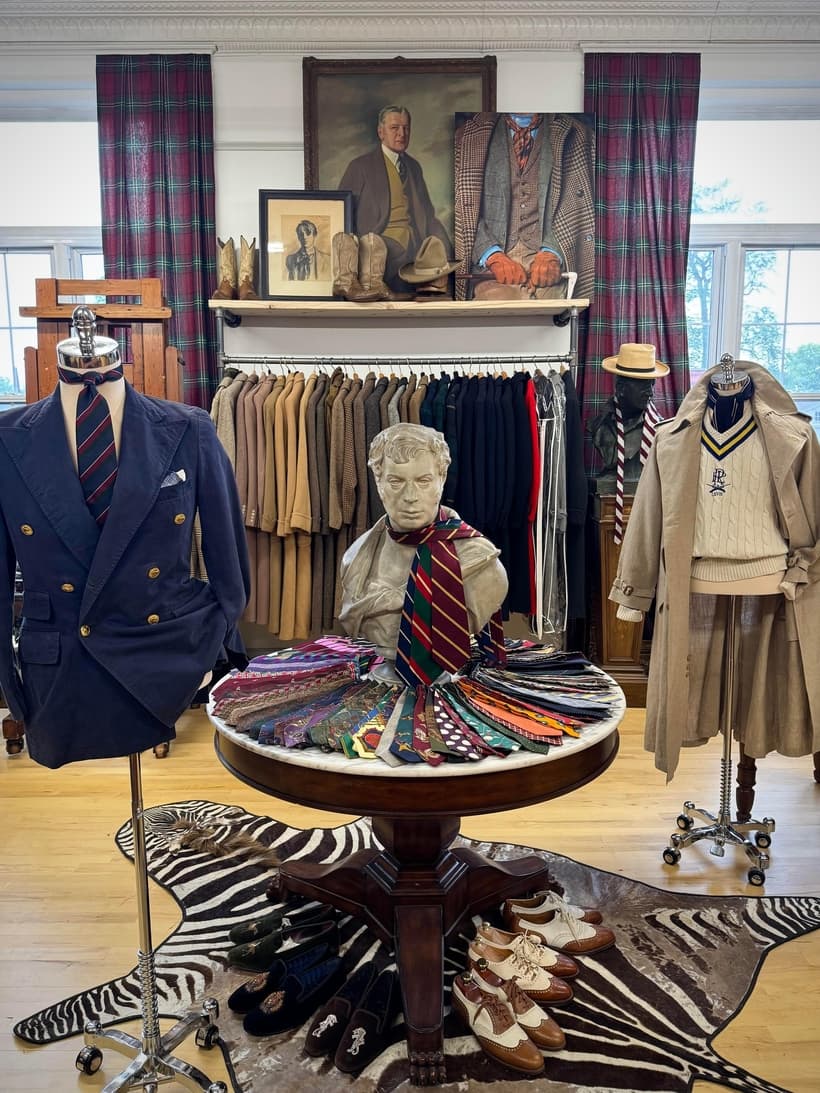
The showroom at Thoroughbred New York in Kingston tells you everything you need to know about where the vintage Ralph Lauren market has landed: singular focus, serious inventory, private appointments. This is not a thrift rack situation. Editor John Vorwald made that clear in his letter opening Robb Report's Spring 2026 Style Issue, published March 15, tracing the arc from vintage clothing as fringe pursuit to its current position as one of the more compelling stories in American luxury.
Vorwald's framing is personal and precise. "I'm old enough to remember vintage clothing was a fringe pursuit, tucked away at the edges of fashion," he wrote. "It belonged to those willing to hunt for it: the young, the broke, the counter-cultural, the deeply fluent." The emotional payoff of that hunt, he argued, was the point. "The slow search was a point of pride, making each find that much more satisfying." What shifted wasn't just the market. It was the recognition that older garments were actually better made. "Older garments, we discovered, were often made with a level of care, integrity, and finish that has grown harder to find: hallmarks once taken for granted that now feel like luxury."
That realization drives the issue's central feature, reported by writer Eric Twardzik. He focused on a tight community: dealers, archivists, and longtime Ralph devotees who are, as Vorwald put it, "drawn as much to the brand's ethos as to the clothes themselves." The inspection rituals these collectors practice are specific and practiced: checking drape, weighing cloth, tracing lapel roll on polo coats and tweeds. The garments they're evaluating were "cut generously, precisely sewn, and made for real life," from an era when fabric mills and tailoring houses operated under entirely different assumptions about what a garment owed its wearer.
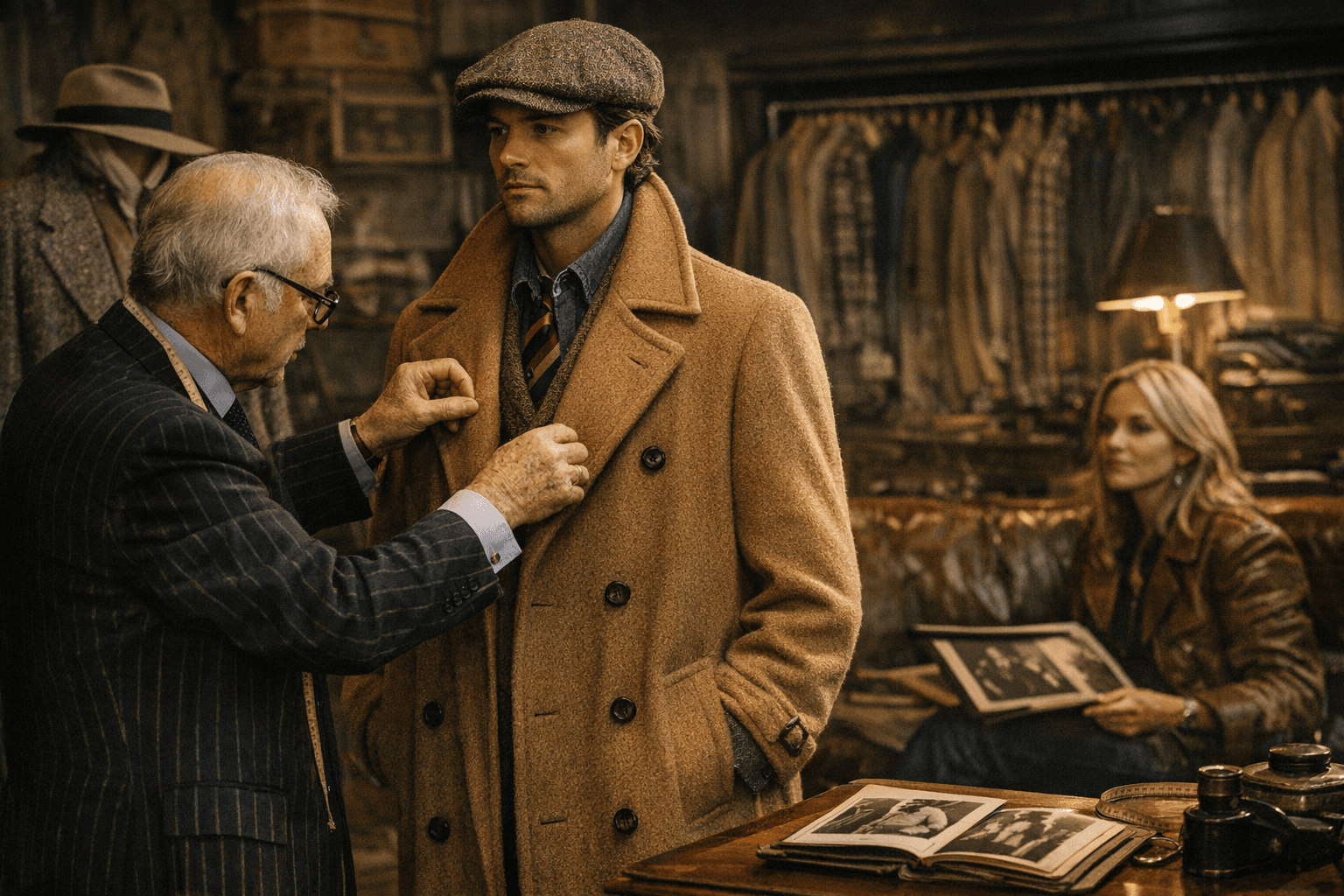
What was once quietly circulating among a small collector network is now turning up in showrooms, private appointments, and wardrobes assembled with the same deliberation people once reserved for art or watches. Vorwald's issue makes the case that this is exactly right. The rest of the Spring 2026 book extends that argument into other categories: hotels where guests sleep among museum-grade art, a profile of Björn Frantzén, currently the only chef in the world running three simultaneous Michelin three-star kitchens, and a hands-on with Tiffany & Co.'s new chronograph, which the editors describe as "an elegant revival of its undersung watchmaking past."
The connective tissue, as Vorwald framed it, is a sensibility rather than a category: "a deep appreciation for things made thoughtfully, chosen deliberately, and valued over time." A polo coat checked for lapel roll in a Kingston showroom fits that definition as cleanly as anything else in the issue.
This article was produced by Prism’s automated news system from verified source data, official records, and press releases, then run through automated quality and moderation checks before publishing. The system is built and supervised by the people who set the standards it runs under. Read our full AI policy.
Did this article answer your question?