Robb Report's Spring Menswear Guide Champions Quiet Luxury Through Linen and Knitwear
Robb Report's spring menswear guide makes quiet luxury actionable: linen tailoring and soft knitwear in neutral palettes, no status logos required.
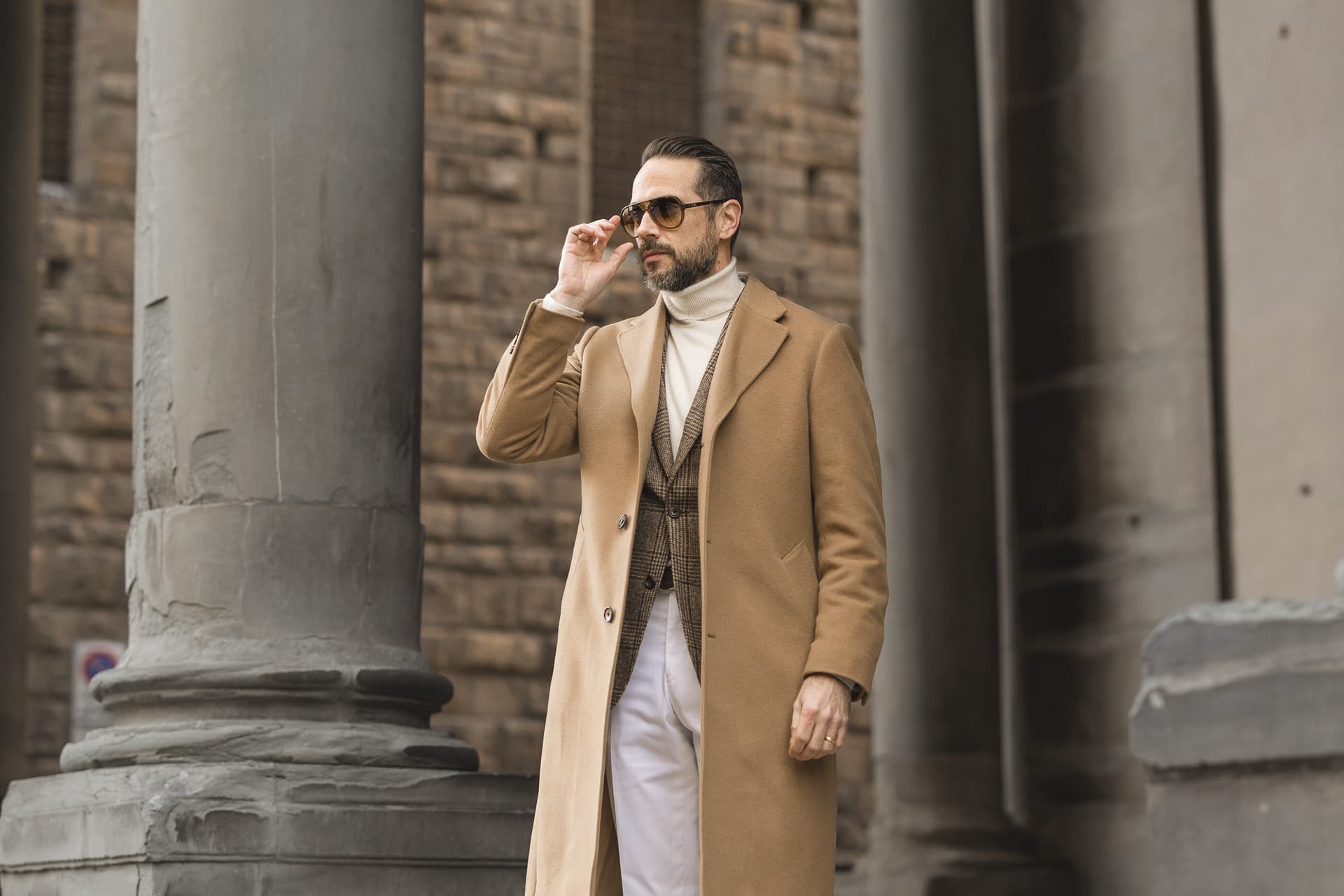
Quiet luxury has spent several seasons threatening to become its own kind of noise, a trend so loudly discussed that the restraint at its core gets lost in the commentary. What Robb Report's March menswear feature manages, rather well, is to cut through that irony and deliver something genuinely useful: a photo-led guide to dressing with understated authority that doesn't require a philosophy degree or an unlimited budget, just a clear eye for fabric, fit, and proportion.
The editorial premise is simple and the better for it. Spring menswear, at its most refined, is built on a handful of categories: unstructured jackets, linen tailoring, soft knitwear, and palettes that stay firmly in the neutral register. These are not revolutionary ideas. But the guide's value lies in demonstrating exactly how these pieces interact, which combinations read as genuinely polished rather than merely beige, and where the line sits between relaxed elegance and expensive-looking shapelessness.
The Case for Linen Tailoring
Linen has always been the fabric that separates those who understand warm-weather dressing from those who simply endure it. Its texture is the point: that slight irregularity in the weave, the way it holds a crease without being rigid, the fact that it breathes in a way that wool suiting simply cannot replicate above 20 degrees Celsius. The Robb Report guide positions linen tailoring as the spine of a spring wardrobe, and it's the right instinct.
A well-cut linen jacket in oatmeal, stone, or pale sage performs triple duty. It's structured enough to anchor a look that needs to read as intentional, relaxed enough that it doesn't fight the season, and neutral enough to work across multiple combinations. The key distinction the guide draws is between tailoring that is unstructured and tailoring that is simply unshaped. The former requires significant skill to cut correctly. The latter just looks unfinished. An unstructured jacket should still have clean shoulders, a chest that lies flat, and a length that flatters the torso. The absence of internal canvas and heavy interfacing is a technical choice, not an excuse for sloppiness.
Knitwear as a Wardrobe Anchor
Soft knitwear occupies a different role in the quiet luxury wardrobe than it does in the mainstream one. Here it's not a winter necessity grudgingly retained into early spring; it's a deliberate choice made for textural contrast and tonal layering. A fine-gauge merino or cotton crewneck in ivory or warm grey reads entirely differently beneath a linen blazer than it does under a structured suit jacket. The softness is the message.
The guide's approach to knitwear is product-led and practical: specific pieces shown in specific combinations, rather than abstract advice about "investing in quality." That distinction matters. Anyone can be told to buy better knitwear. Fewer publications show exactly how a relaxed-fit knit in a mid-weight cotton sits against linen trousers, or how to balance proportions when both pieces trend toward ease rather than structure.
Neutral Palettes and Why They Require More Discipline Than They Appear
The quiet luxury colour story is, on its surface, the easiest part of the formula to grasp. Stay neutral. Avoid logo-heavy branding. Lean toward natural tones. In practice, building a neutral palette that doesn't collapse into monotony demands considerably more attention than it looks. The Robb Report guide addresses this through its product selection: tonal dressing done well relies on variation in texture and weight rather than variation in colour. An all-neutral outfit earns its interest from the contrast between a matte linen trouser and a subtly lustrous knit, or from the structural difference between a woven jacket and a softer shirt beneath it.
The palettes that tend to work best in this register are those that stay within a single tonal family while allowing meaningful variation in depth. Stone against cream against warm taupe is a more sophisticated combination than mixing neutrals from different undertone families, where the result can look accidental rather than considered. This is the kind of specific, actionable intelligence that distinguishes genuinely useful style guidance from the sort of vague reassurance that fills lesser publications.

How to Build This Wardrobe Practically
The guide's most useful quality is its actionability. It doesn't present quiet luxury as an aspiration requiring a complete wardrobe overhaul; it presents it as a set of principles that can be applied incrementally. Consider the practical framework it implies:
- Start with one well-fitted unstructured jacket in a neutral linen or linen-blend. This single piece does more work toward a refined spring wardrobe than five mediocre alternatives.
- Build knitwear in fine gauges rather than heavy ones for spring. Cotton and merino blends in ivory, oatmeal, or soft sage carry the season better than wool pieces that read as wintery regardless of their colour.
- Keep trouser silhouettes clean and relatively straight. Wide-leg can work within this aesthetic, but it requires confidence and strong proportional control. A straight or slightly tapered cut in linen or cotton-linen blend is the more reliable foundation.
- Resist the urge to introduce pattern as a solution to neutral-palette fatigue. Texture is the more sophisticated answer. A woven stripe in tonal shades or a subtle slub linen offers visual interest without breaking the register.
- Shoes and accessories should stay within the material language of the outfit. Suede loafers, unlined leather derbies, and woven leather sandals all speak the same quiet vocabulary. Heavily logoed or overly polished footwear undercuts the effect entirely.
Why This Moment Matters for Menswear
The quiet luxury conversation in menswear has sometimes suffered from its own vagueness. When every brand from fast fashion to heritage suiting houses claims the aesthetic, the term risks becoming meaningless. What Robb Report's spring guide does, by grounding its editorial in specific fabrics, specific silhouettes, and specific styling choices, is demonstrate that quiet luxury is a craft position, not a marketing one. Linen that is properly constructed and correctly fitted looks expensive because it is the product of knowledge and attention. Knitwear that sits right against the body in the right weight for the season reflects genuine understanding of how clothes work.
That distinction, between aspiring to the aesthetic and actually executing it, is where most menswear wardrobes either succeed or stall. The spring 2026 moment, with its emphasis on ease, natural fibres, and reduced visual noise, is genuinely well-suited to men who want to dress with authority without performance. Linen and knitwear, chosen deliberately and worn with proportion in mind, are not quiet alternatives to dressing well. They are, increasingly, the definition of it.
This article was produced by Prism’s automated news system from verified source data, official records, and press releases, then run through automated quality and moderation checks before publishing. The system is built and supervised by the people who set the standards it runs under. Read our full AI policy.
Did this article answer your question?