Rolex lifts gold watch prices again, reinforcing scarcity prestige
Rolex raised gold-watch prices 5% again, betting precious metal still signals power even as softer luxury demand hits aspirational buyers.
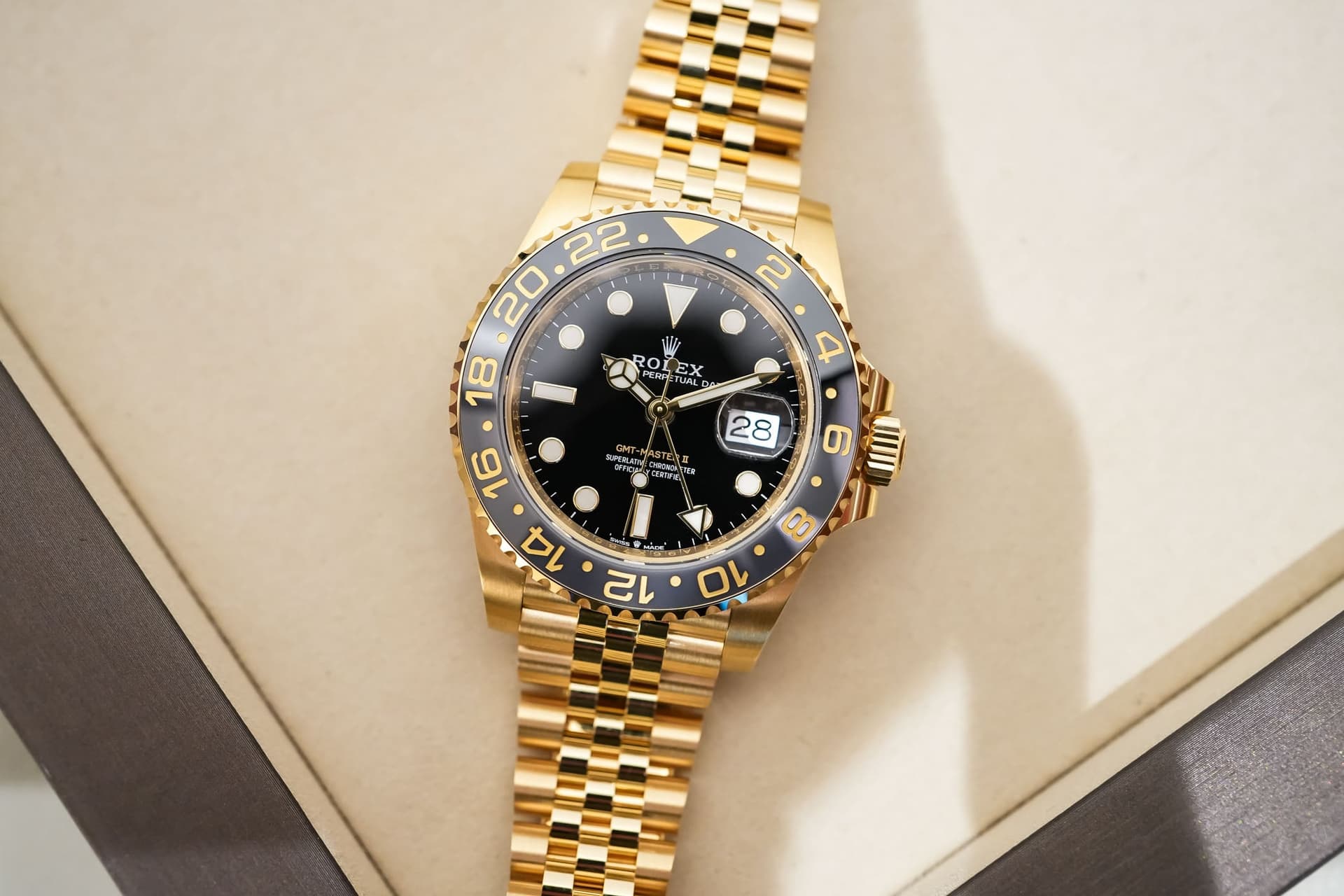
Rolex just made a very specific bet on status: if gold is visible enough, it can keep getting more expensive. On June 1, 2026, the crown lifted its global price on gold watches by an average 5%, with two-tone Rolesor models up about 2.5%, even as stainless-steel, platinum, titanium and white Rolesor pieces were left unchanged. It was a rare second annual increase, and in a market getting softer below the top tier, that split says everything about where Rolex still thinks its power lives.
This is not a brand chasing volume. It is a brand protecting the oldest luxury signal in the book, the one that reads instantly across a room, across a terrace, across a dealer case: precious metal. Rolex’s gold watches have never been about stealth. They are about wrist presence, about the kind of gleam that does the talking before the handshake does. When the broader luxury mood cools, that signal becomes even cleaner, because it sorts the buyers who are insulated from wobble from the ones feeling it.

The timing matters too. Rolex had already raised prices across collections on January 1, 2026, making this June move the second round in the same year for major markets including Britain, Hong Kong and the United States. That kind of cadence is unusual, and it widens the distance between the brand’s retail world and the resale market, where watch trackers said the gap grew after the increase. When retail runs faster than secondary demand, the message is not subtle: Rolex is tightening the rope around its own prestige, even if the market has to catch up later.
Gold prices had also been easing back toward earlier 2026 levels when Rolex moved again, which makes the hike look less like a simple materials pass-through and more like positioning. That is the part worth watching. The price increase is not just about cost, it is about preserving the idea that gold Rolexes belong in a different social lane than the steel watches that got the most cultural oxygen during the quiet-luxury era. The old-money play is getting clearer: if you want understatement, Rolex still has steel. If you want to be seen, gold just got pricier.
The bigger read is that luxury is splitting in two. Wealthy buyers are still buying into precious-metal watches without blinking, while less affluent shoppers are pulling back. Rolex, as always, is pricing for the people at the top and daring the rest of the market to keep up. In 2026, that is what scarcity prestige looks like: not a logo screaming for attention, but a gold bezel quietly charging more because it still knows exactly who is listening.
This article was produced by Prism’s automated news system from verified source data, official records, and press releases, then run through automated quality and moderation checks before publishing. The system is built and supervised by the people who set the standards it runs under. Read our full AI policy.
Did this article answer your question?