Seven Outfit Formulas That Master Quiet Luxury on Any Budget
Carolyn Bessette-Kennedy built an entire aesthetic on fewer than 12 pieces. These seven copy-paste formulas replicate that blueprint, priced from thrift to investment.

Carolyn Bessette-Kennedy never looked expensive because she spent a lot. She looked expensive because she spent precisely: the right fabric, the right cut, almost no hardware, and nothing left to chance. The same principle that made her a style reference for three decades is the one that makes quiet luxury so frustratingly hard to fake on a budget. It is not about the logo. It is about the silhouette, the drape, and the fit sitting where it should. The good news: that is entirely replicable, at almost any price point, if you know the exact formula.
Each of the seven blueprints below is built around 3 to 5 specific pieces, with one hero investment, two or three accessible substitutions, and a cost-per-wear argument for why the math works. Work through them in order or pick the one that matches your life first.
Formula 1: The Modern Polo Set
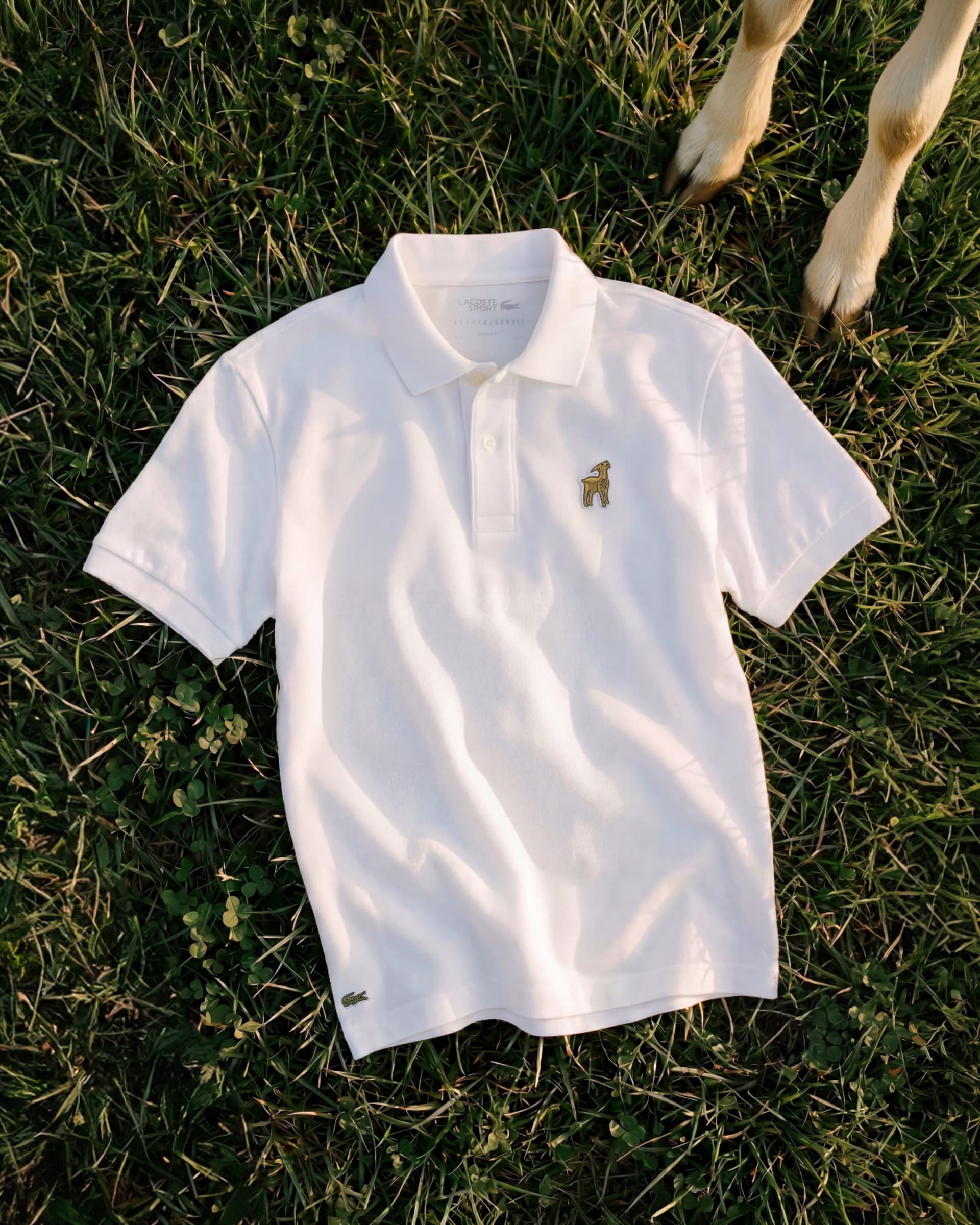
The hero item here is a fine-gauge cashmere polo in ivory, stone, or soft camel. Paired with straight-leg chinos in a khaki or putty tone and a thin leather belt in tan or chocolate (simple single-bar buckle, no contrast stitching), finished with leather loafers, this is the formula that works for weekend lunches, airport travel, and low-stakes office days with equal ease.
- Hero: Cashmere polo (look for 2-ply, ribbed collar, no branding). Invest: $180–$350. Thrift target: men's cashmere departments at estate sales often yield pristine polos.
- Sub 1: Fine merino polo from Uniqlo or M&S at $35–$60 reads identically at three feet.
- Sub 2: A cotton piqué polo in the same neutral palette holds the formula if cashmere is outside budget.
- Styling rule: Tuck loosely at the front only. Belt visible. No visible logo on any piece.
- Cost-per-wear: A $280 cashmere polo worn 80 times over four years costs $3.50 per wear. A $35 merino polo worn 40 times costs $0.87. Both beat a $90 printed tee worn six times.
- Thrift checklist: Polo (men's section, size up one), chinos (waist + hem alteration under $20), leather belt (look for full-grain, ignore color; conditioning restores it).
Formula 2: The Tailored Weekend
An unstructured blazer, a Breton-stripe top, dark selvedge or Japanese denim, and suede penny loafers. This is the formula Carolyn Bessette-Kennedy and generations of Nantucket weekenders have cycled through with minimal variation. The unstructured blazer is the key variable: it must have no padding at the shoulder and drape slightly loose through the body, in wool-linen, cotton-linen, or light wool.
- Hero: Unstructured wool-linen blazer in navy, oatmeal, or chalk. Invest: $250–$600. Thrift target: men's section; blazers here run large but tailor cleanly.
- Sub 1: A cotton canvas blazer from J.Crew or COS holds the silhouette at $120–$180.
- Sub 2: A linen blazer from Mango or Arket at $80–$120 works for spring and summer specifically.
- Styling rule: Leave unbuttoned. Roll the sleeves once. Dark denim must be hemmed to exactly one break above the shoe.
- Care note: Steam, do not iron, linen-wool blends. Hang on a wide cedar hanger to preserve shoulder line.
- Thrift checklist: Breton top (any high street), dark denim (Levi's 501 or 511 in rinse wash), suede loafers (look for unscuffed toe box; suede erasers fix the rest).
Formula 3: The Navy Blazer Formula
This is the single most cost-efficient formula in the system. A single-breasted navy blazer in lightweight wool, a crisp white cotton-poplin shirt (no stretch fabric), tailored wool-blend trousers in charcoal, grey, or camel, and a leather oxford or polished loafer. The three-color restriction (navy, white, one neutral) is what makes it read expensive; the moment a fourth color enters, the formula breaks.

- Hero: Single-breasted navy wool blazer. Invest: $350–$900. Thrift target: The navy blazer is the most donated piece in menswear; expect good condition at $15–$40.
- Sub 1: A ponte-fabric blazer from Banana Republic or Reiss at $100–$200 travels and holds its shape well.
- Sub 2: A secondhand Polo Ralph Lauren navy blazer from Poshmark or eBay frequently lists under $60 in excellent condition.
- Styling rule: One button fastened. Shirt collar open by one button. Belt matches shoe leather.
- Cost-per-wear: A $400 wool blazer worn 120 times across five years = $3.33 per wear. Few items in fashion beat this number.
- Thrift checklist: Navy blazer (check for moth damage at pocket lining), white cotton shirt (look for 100% cotton label, skip blends), wool trousers (waist alterations are $15–$25).
Formula 4: The Turtleneck Architecture
A fine-gauge cashmere or merino turtleneck in black, ivory, or tobacco brown, straight-leg trousers in a complementary neutral, and leather loafers. No jewelry. No belt. Nothing else. This is the formula closest to Bessette-Kennedy's daily uniform and the one most readers underestimate because it sounds too simple. That restraint is the point entirely.
- Hero: 100% cashmere turtleneck, fine-gauge (not chunky). Invest: $150–$400. Budget hero: Quince Mongolian cashmere turtleneck at under $150 is the most cited accessible entry.
- Sub 1: Merino turtleneck from Uniqlo's premium line at $40–$60.
- Sub 2: A ribbed viscose-blend turtleneck for warmer months; the silhouette carries regardless of fiber.
- Styling rule: Tuck turtleneck fully or leave fully untucked. Never half-tucked. Trouser hemline should graze the top of the shoe.
- Care note: Hand-wash cashmere in cool water with a wool-specific detergent; lay flat to dry. Pilling is prevented by turning inside out before washing.
- Thrift checklist: Cashmere turtleneck (feel for pilling before buying; a fabric shaver fixes minor fuzz), straight-leg trousers, loafers in tan or black.
Formula 5: The Trench Coat Layer
A water-resistant gabardine trench coat in camel or stone worn over a thin silk or satin blouse and dark cigarette-cut trousers. The belt must be tied, not buckled, into a loose half-knot at the front. This is the formula that performs hardest in transitional seasons and photographs most reliably because the strong vertical line of the trench does the editorial work.
- Hero: Classic cotton-gabardine trench in camel. Invest: $400–$1,200 (Burberry Heritage being the benchmark). Thrift target: Burberry and Aquascutum trenches surface frequently at consignment; budget $80–$200 for secondhand.
- Sub 1: A cotton-polyester trench from Mango, & Other Stories, or COS at $100–$180 replicates the silhouette cleanly.
- Sub 2: A Marks & Spencer Pure Cotton trench at under $130 is a consistent high-street hit for fit.
- Styling rule: Belt tied loosely, never tightly. Collar up or fully flat; never partially lifted. Blouse collar should peek above the trench neckline.
- Care note: Gabardine should be dry-cleaned no more than once per season; spot-clean between wears to protect the water-resistant finish.
- Thrift checklist: Trench coat (check belt loops and epaulettes for missing hardware), silk blouse (charmeuse and crepe-de-chine both work), cigarette trousers.
Formula 6: The Minimalist Evening
A bias-cut slip dress or a tailored sheath in champagne, ivory, black, or deep navy, a single-strand pearl necklace or a small gold hoop, and a low kitten heel in nude or black satin. The accessories total must stay at one: one earring style or one necklace, never both simultaneously. The kitten heel, maligned and resurrected on a roughly ten-year cycle, is experiencing a sustained return precisely because it belongs to this aesthetic natively.
- Hero: Bias-cut silk or silk-charmeuse slip dress. Invest: $200–$600. Thrift target: 1990s slip dresses in silk appear regularly at vintage stores; expect $20–$60.
- Sub 1: A satin-finish polyester slip dress from & Other Stories or Reformation at $80–$150 drapes convincingly.
- Sub 2: A tailored ponte sheath in black as a cooler-weather alternative to silk.
- Styling rule: Hem should fall mid-calf or ankle. No visible bra strap. Single accessory only.
- Cost-per-wear: A $400 silk slip dress worn to 30 events over five years costs $13 per wear. At that rate it outperforms a $200 "occasion dress" worn twice.
- Thrift checklist: Slip dress (check seams at bias points for fraying), kitten heel (leather upper only; patent or satin can be re-dyed), pearl strand (test by rubbing against teeth: real pearl feels slightly gritty, glass feels smooth).
Formula 7: The Monochrome Tonal Set
A camel or oatmeal cashmere crewneck sweater worn with wide-leg or straight-cut trousers in the same or an adjacent tone (oatmeal, cream, stone, warm grey), and tan suede loafers or white leather sneakers as the only break. The tonal palette does what a brand logo cannot: it signals an eye for color and proportion without a word. A $5 fabric shaver and a handheld steamer are the only accessories that actually matter here, because the formula collapses the moment either piece looks tired.
- Hero: Camel cashmere crewneck, mid-weight. Invest: $180–$450. Thrift target: Cashmere crewnecks in tan and camel are the easiest thrift find in this system; expect $8–$25 at most charity shops.
- Sub 1: A merino or cotton-cashmere blend crewneck from Everlane, Uniqlo, or H&M premium at $40–$80.
- Sub 2: A fine-knit lambswool in the same camel range; the texture difference is negligible to most observers.
- Styling rule: Stick to a maximum of two tones from the same warm-neutral family. Add one metal, either a thin gold chain or a signet ring, never both.
- Care note: Store knitwear folded, never hung, to preserve shoulder shape. Cedar balls prevent moth damage without the chemical smell of mothballs.
- Thrift checklist: Cashmere crewneck (smell for cedar or storage; both wash out), wide-leg trousers in cream or oatmeal (linen for summer, wool-blend for winter), tan suede loafers.
The system works because it is a constraint, not a mood board. Each formula has a ceiling (the investment piece), a floor (the accessible substitution), and a rule set that makes it reproducible regardless of where you shop. The only irreducible requirement across all seven is fit: a $50 blazer altered to your measurements will always read better than a $500 blazer that doesn't. Budget accordingly, and spend on a tailor before you spend on a label.
This article was produced by Prism’s automated news system from verified source data, official records, and press releases, then run through automated quality and moderation checks before publishing. The system is built and supervised by the people who set the standards it runs under. Read our full AI policy.
Did this article answer your question?