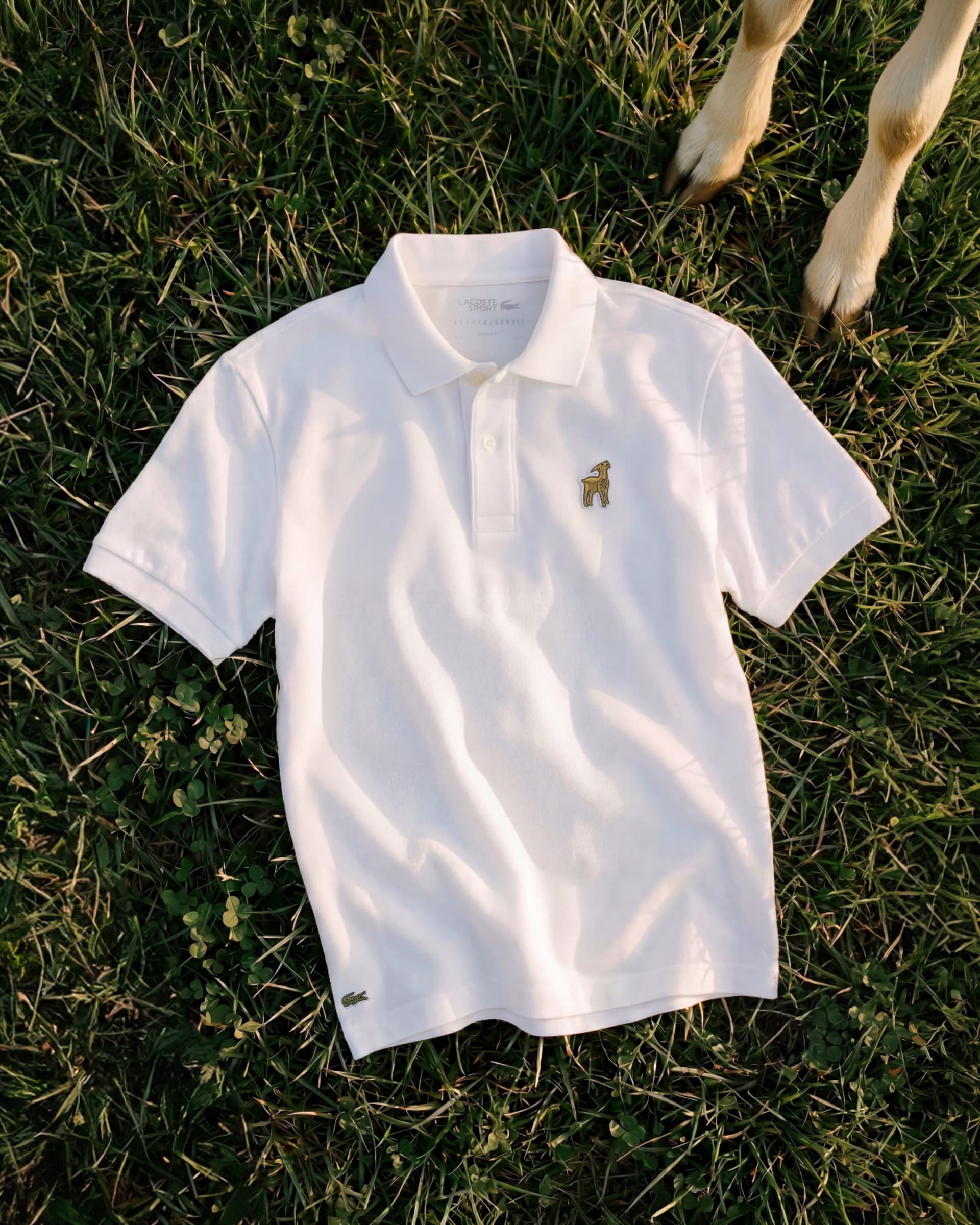
Six Transitional Outfit Formulas Bridge Winter Layers With Spring Essentials
Six outfit formulas make the winter-to-spring wardrobe shift feel intentional, not accidental — here's how to layer what you already own.
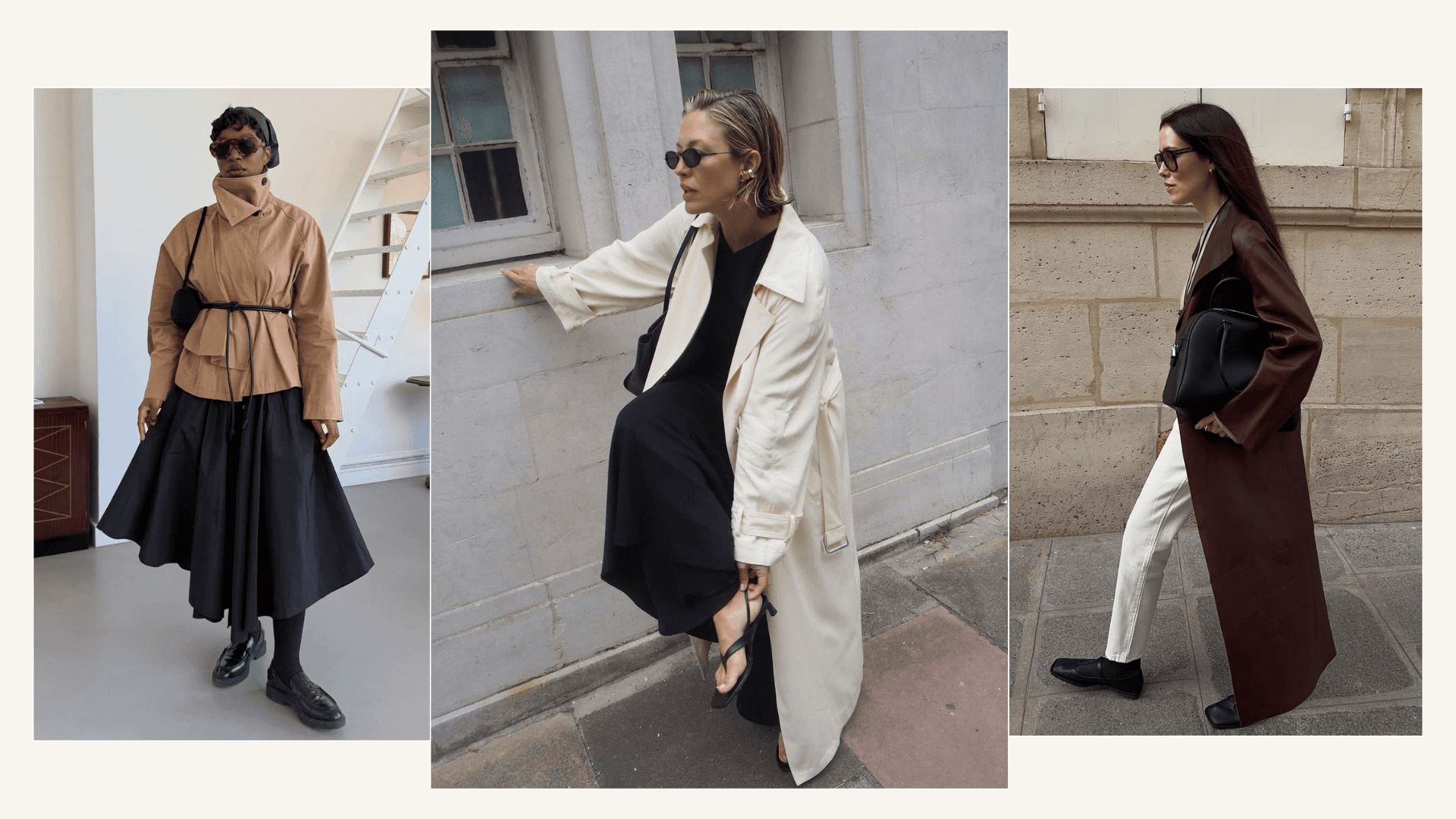
An old-money capsule wardrobe is less a trend than an attitude, and nowhere does that attitude get tested more than in March, when the weather refuses to commit and your closet feels like it belongs to two different people. The coat is still necessary. The linen trousers are calling. The question is how to make both feel deliberate rather than confused.
Melissa Epifano, writing for Who What Wear, identified six outfit formulas that answer exactly that question. The premise is practical: stop waiting for a clean seasonal break that never actually arrives, and start working the overlap. Transitional dressing, done well, is one of the quietest signals of real style fluency. Here is how each formula works.
The Tailored Blazer Over a Lightweight Knit
The blazer is the workhorse of transitional dressing because it holds a silhouette together without adding the bulk of a full winter coat. Worn over a fine-gauge knit in a neutral, it reads spring-ready from the waist up while keeping you warm enough for a 50-degree morning. The key is proportion: a slightly oversized blazer in a heavier wool or bouclé balances against a slim knit underneath, so neither piece looks like an afterthought. Navy, camel, and oatmeal are the palette that makes this formula feel expensive rather than transitional by necessity.
The Trench Coat as the Hero Piece
Few garments bridge seasons as naturally as the trench coat, which is precisely why it has never left the old-money repertoire. Layer it over a cotton button-down and straight-leg trousers, and the outfit does all of its work before you've added a single accessory. The trench keeps out the wind without telegraphing winter; underneath, the lighter fabrics signal that you're already mentally, if not meteorologically, in spring. A belted trench in camel or stone is the formula's anchor. What's worn beneath it can shift with the temperature.
White Shirt, Dark Denim, and a Chunky Knit
This formula works because it operates on contrast. The crispness of a white cotton shirt, whether a classic Oxford or a poplin button-down, reads fresh and spring-adjacent. The dark denim grounds it in something more structured than casual. The chunky knit worn over both, sleeves pushed up, is the transitional variable: it handles the cold when needed and ties around the shoulders when it doesn't. The styling move that elevates this from weekend default to something more considered is fit. Straight-leg or wide-leg denim, not skinny, gives the whole silhouette the kind of relaxed authority that old-money dressing prizes.

Cashmere Turtleneck With Wide-Leg Trousers
Cashmere is the fabric that makes transitional dressing feel like a choice rather than a compromise. A fine-gauge turtleneck in a mid-weight cashmere works in temperatures that would be too warm for heavy wool and too cool for cotton. Paired with wide-leg trousers in a coordinating or complementary neutral, it creates an outfit that looks fully considered from the first layer. Ivory, chocolate, and soft grey are the tones that read most naturally here. The silhouette, fitted on top and relaxed through the leg, is the kind of proportion that holds up from a morning meeting to an afternoon outside.
A Light Leather Jacket Over Florals
The leather jacket introduced over a floral dress or blouse is one of the most effective ways to bring a spring piece into rotation before the weather warrants it. The leather provides the weight and warmth the season hasn't abandoned yet, while the floral signals exactly where you're headed. This pairing works best when the leather is simple and unembellished: a clean bomber or classic moto silhouette, ideally in a neutral like tan, cognac, or black, so the print underneath reads clearly. It's a formula that looks more spontaneous than calculated, which is, of course, the point.
Tailored Wool Trousers With a Linen or Cotton Blouse
The final formula works from the bottom up. Wool trousers in a mid-weight fabric, charcoal, camel, or deep navy, retain enough structure and warmth for the season's colder days. But pairing them with a linen or lightweight cotton blouse above the waist creates a visual pivot toward spring that feels ahead of the weather rather than at its mercy. A tucked-in blouse sharpens the transition; layering a fine-knit cardigan over it adds the flexibility to dress for a 40-degree morning and a 62-degree afternoon without rethinking the entire outfit. This is the formula that rewards a well-edited wardrobe: it only works if the trousers are cut well and the blouse is something worth seeing.
What connects all six formulas is the same underlying logic: the best transitional outfits don't try to hide the season they're in. They hold two temperatures in the same silhouette without apology, and they use quality fabrics, specifically cashmere, wool, cotton, and linen, to make the layering feel considered rather than compulsory. March is the month that separates the people who wait for permission from those who dress for the season they want. These six formulas make a compelling case for the latter.
This article was produced by Prism’s automated news system from verified source data, official records, and press releases, then run through automated quality and moderation checks before publishing. The system is built and supervised by the people who set the standards it runs under. Read our full AI policy.
Did this article answer your question?