Soft loafers take over, The Row’s Canal leads the season
Soft loafers are the rare shoe that feels like a slipper but reads like money. The Row’s $990 Canal is the cleanest proof.
The shoe that looks expensive by refusing to try
Soft loafers are having the kind of moment that quiet-luxury dressing lives for: they look polished, but they never look pushy. Marie Claire calls them the shoe story of the season because they trade stiffness for ease, and that shift matters if your wardrobe is built on clean basics, good tailoring, and pieces that do not beg for attention.
This is not about a cute flat that happens to be comfortable. The appeal is much sharper than that. A good soft loafer gives you the restraint of old-money style without the brittle feel of dress shoes, so the whole outfit reads calmer, richer, and more considered.
Why The Row’s Canal leads the pack
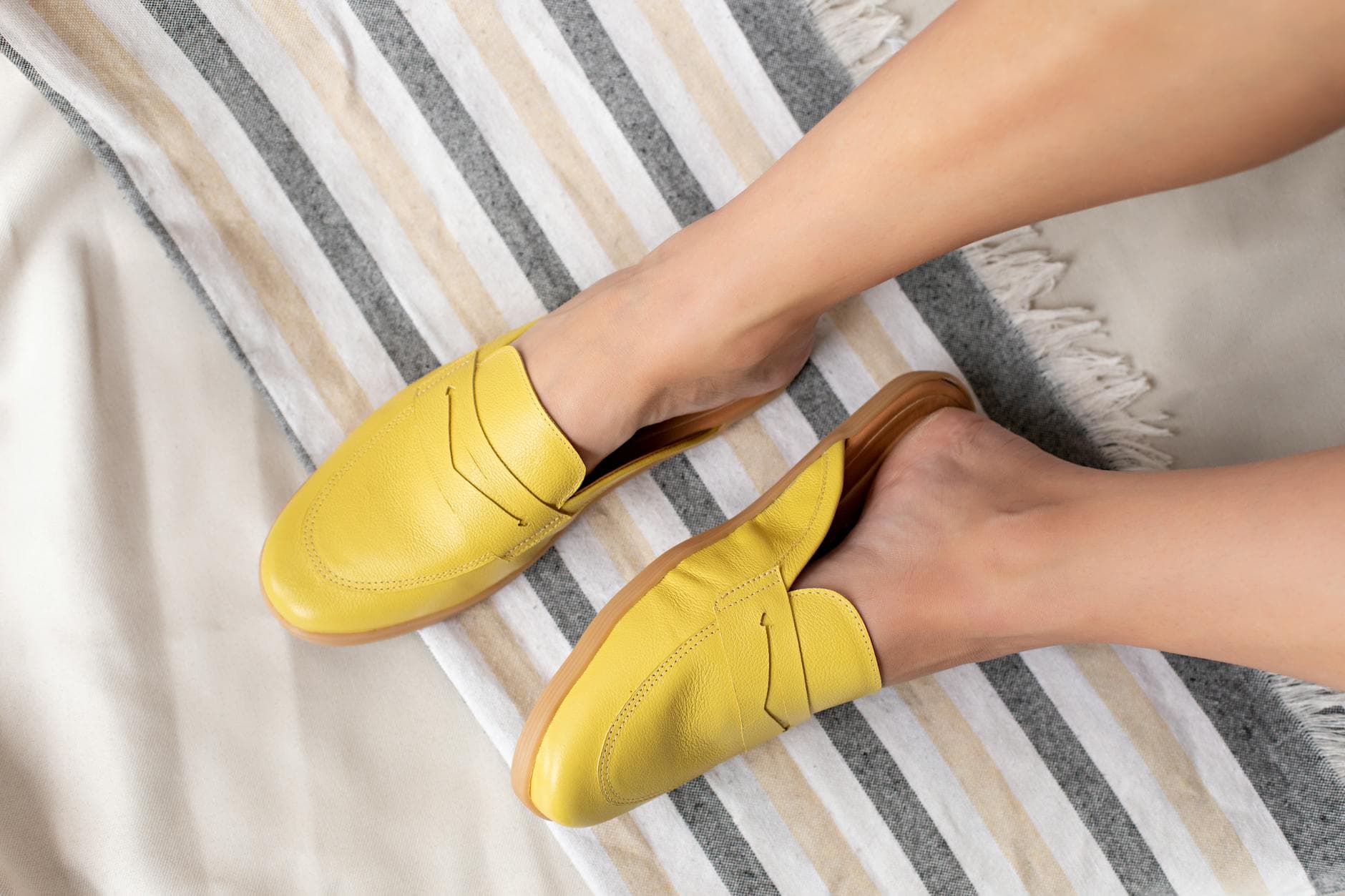
The Row is the label setting the pace here. Founded in 2005 by Ashley Olsen and Mary-Kate Olsen, the brand has built its reputation on stripped-back clothes and accessories that look almost private in their luxury, and the Canal loafer is exactly that kind of object. It is a deconstructed, minimal women’s loafer made in Italy from vegetable-tanned calfskin leather, with a notched tongue, raised-stitch detail, and a rubber sole. The official price is $990.
That price tells you what kind of shoe this is. It is not cheap, but it is also not inflated into costume territory the way some fashion loafers are. The value is in the shape: slim, lightweight, low to the ground, with a high vamp that lengthens the foot and a softness that makes the shoe sit closer to slipper territory than stiff office footwear. That relaxed but elongated silhouette is the whole trick. It lets the loafer disappear just enough to make the rest of the look feel sharper.
Marie Claire names The Row’s Canal as the lead style in the soft-loafer wave, and the celebrity roster is exactly the sort that pushes a shoe from insider favorite to cultural shorthand. Zendaya, Kendall Jenner, Jennifer Lawrence, Elle Fanning, and Sofia Richie Grainge are all wearing the same idea, which is usually how a niche shape becomes a season-defining one.
How to wear soft loafers so they read rich, not lazy
The best thing about this trend is that it works with the kind of wardrobe people actually wear: trousers, denim, knitwear, a crisp shirt, a coat you have had for years. Soft loafers look strongest when they are allowed to keep their line. Think clean hems, long or slightly cropped tailoring, and basics with structure elsewhere so the shoe can stay relaxed without the outfit collapsing into slouch.
What makes them feel expensive is balance. The upper should look supple, not flimsy. The sole should feel thin and purposeful, not bulky or sneaker-like. The shoe should skim the foot, not swallow it. When the silhouette is right, the whole outfit gets that inherited-feeling polish old-money style is chasing, the kind that comes from restraint rather than display.
The easiest pairing is with everyday staples that already lean refined: straight-leg denim, tailored wool trousers, sharp socks, simple knits, and coats with a clean shoulder. Soft loafers are especially useful because they soften the severity of tailoring without turning it into athleisure. That is why they work for readers building a wardrobe around quiet basics. They can make the same black trousers feel more current and more lived-in at once.
How to spot elegant softness from shoes that just look collapsed
There is a fine line between luxe softness and a loafer that looks tired. Elegant softness comes from considered construction. On The Row’s Canal, that means the vegetable-tanned calfskin, the notched tongue, the raised stitch detail, the thin rubber sole, and the made-in-Italy finish all doing quiet work at once. The shoe looks relaxed, but it still has shape.
A bad version is easy to spot. It looks overly mushy at the heel, floppy at the sides, or vague in the toe. The upper folds like it has given up. The sole is either too thick or too flatly generic, and the whole thing starts reading casual in the wrong way, less slipper and more house shoe. The best soft loafers never lose their outline. They bend with the foot, but they still look tailored.
The trend is bigger than one celebrity feed
This is not just a women’s street-style story. Spring 2026 fashion and retail coverage points to soft loafers as part of a wider comfort-driven footwear shift, and men’s spring 2026 footwear reporting says loafers are continuing to dominate there too. That crossover matters. It means the trend is not just about one polished celebrity uniform, it is part of a larger move toward wearable luxury, where shoes need to work in real life, not just in a lookbook.
That broader appetite helps explain why the style feels so durable right now. People want shoes that can go from a polished errand run to dinner without changing their tone. Soft loafers do that better than most footwear because they sit between structure and ease. They are formal enough to clean up an outfit, but relaxed enough to live in.
A classic with a longer memory
The soft-loafer boom also makes more sense once you know where loafers started. G.H. Bass says it introduced the first penny loafer in 1936, naming the style Weejuns after a Norwegian slipper-type moccasin used for “loafing in the field.” That origin story is almost too perfect for what is happening now. The modern version has simply stripped away the stiffness and leaned into what loafers were always supposed to do: move easily.
That is why the new soft shapes feel so right for old-money dressing. They do not shout. They do not need logos. They just sit there, calm and assured, making trousers look better, denim look sharper, and a basic wardrobe feel inherited instead of assembled. The smartest loafer of the season is not the most decorated one. It is the one that looks like it has already been worn in by someone who knew exactly what they were doing.
This article was produced by Prism’s automated news system from verified source data, official records, and press releases, then run through automated quality and moderation checks before publishing. The system is built and supervised by the people who set the standards it runs under. Read our full AI policy.
Did this article answer your question?