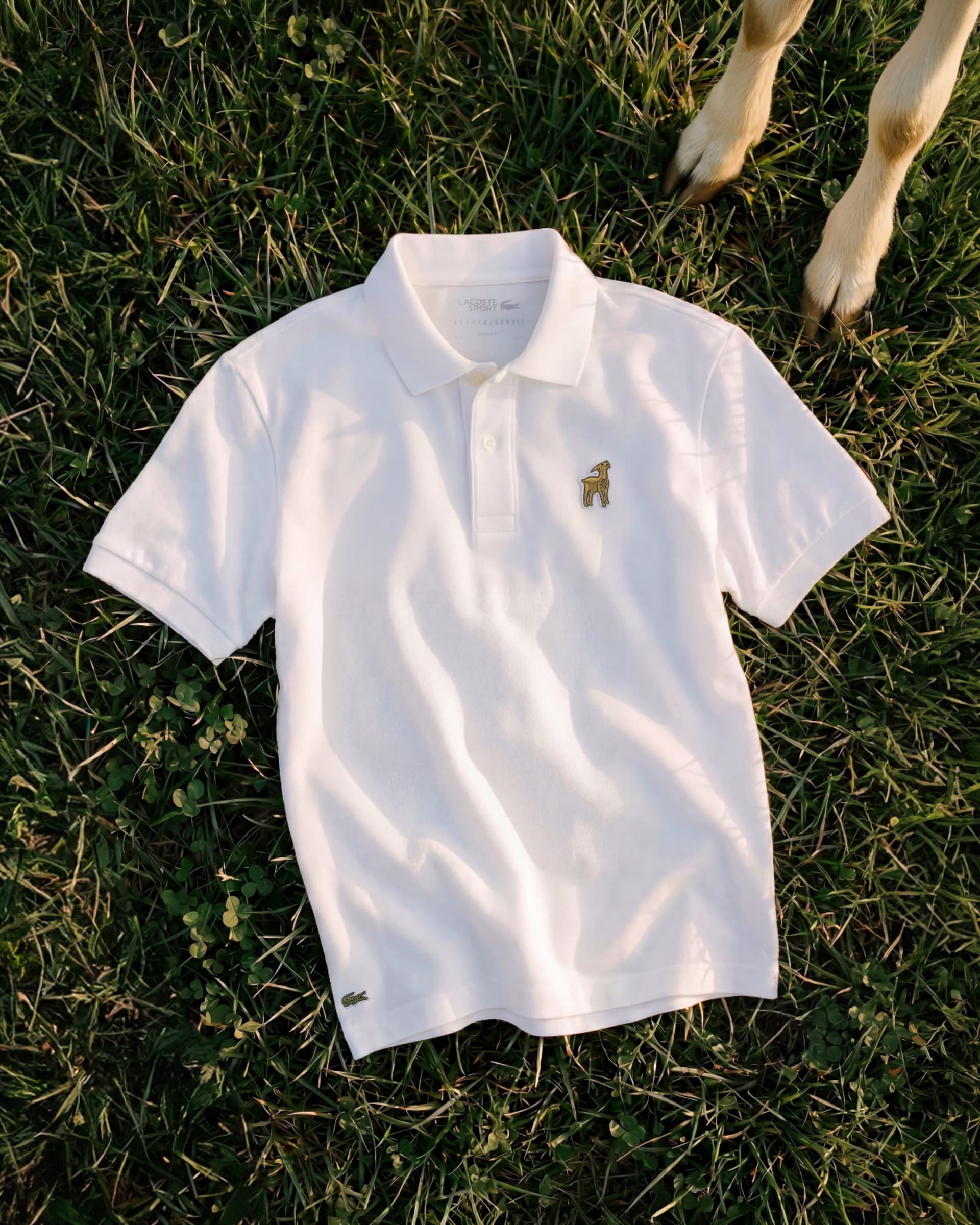
Spring 2026 channels Phoebe Philo minimalism with quiet old-money glamour
Spring 2026 is about restraint with polish: trench coats, tailoring, butter yellow, and olive read expensive, while the more retro shapes are best used sparingly.
The new old-money signal is quiet, not precious
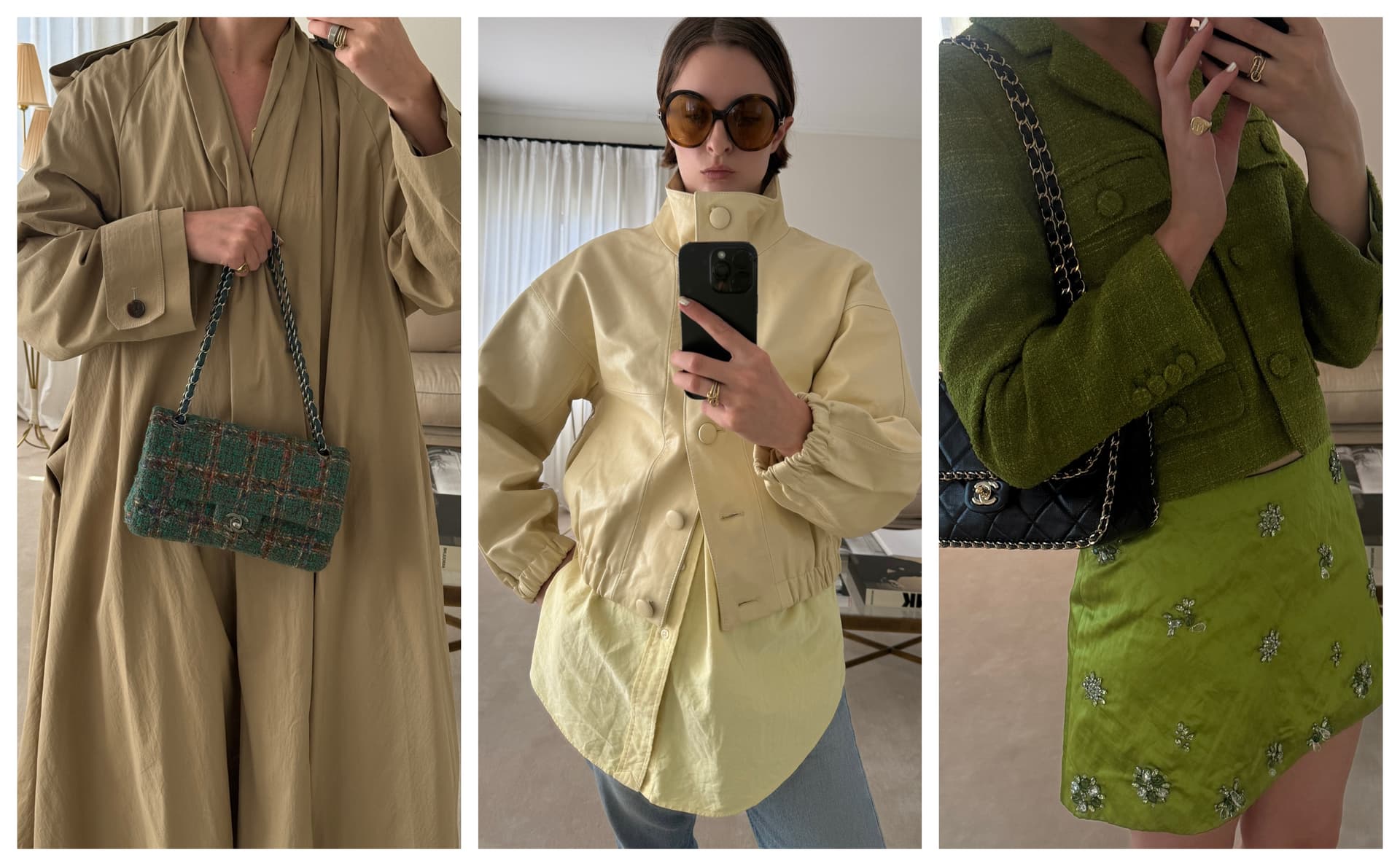
Spring 2026’s most convincing clothes do not shout status. They suggest it in the cut of a trench, the fall of a tailored trouser, the soft authority of butter yellow, and the serious ease of olive green. Marie Claire’s spring coverage, shaped by Christie Tyler’s minimalist eye, treats the season less like a runway recap and more like a wardrobe brief: wear the pieces that look composed, expensive, and slightly unbothered.
That is what gives this old-money moment its pull. The mood has a retro-glam finish, but the real message is restraint. The best looks feel discreetly luxurious because the fabrication does the talking first, then the silhouette, then the styling. It is a return to clothes that look as if they were chosen, not chased.
The silhouettes worth keeping are the ones with discipline
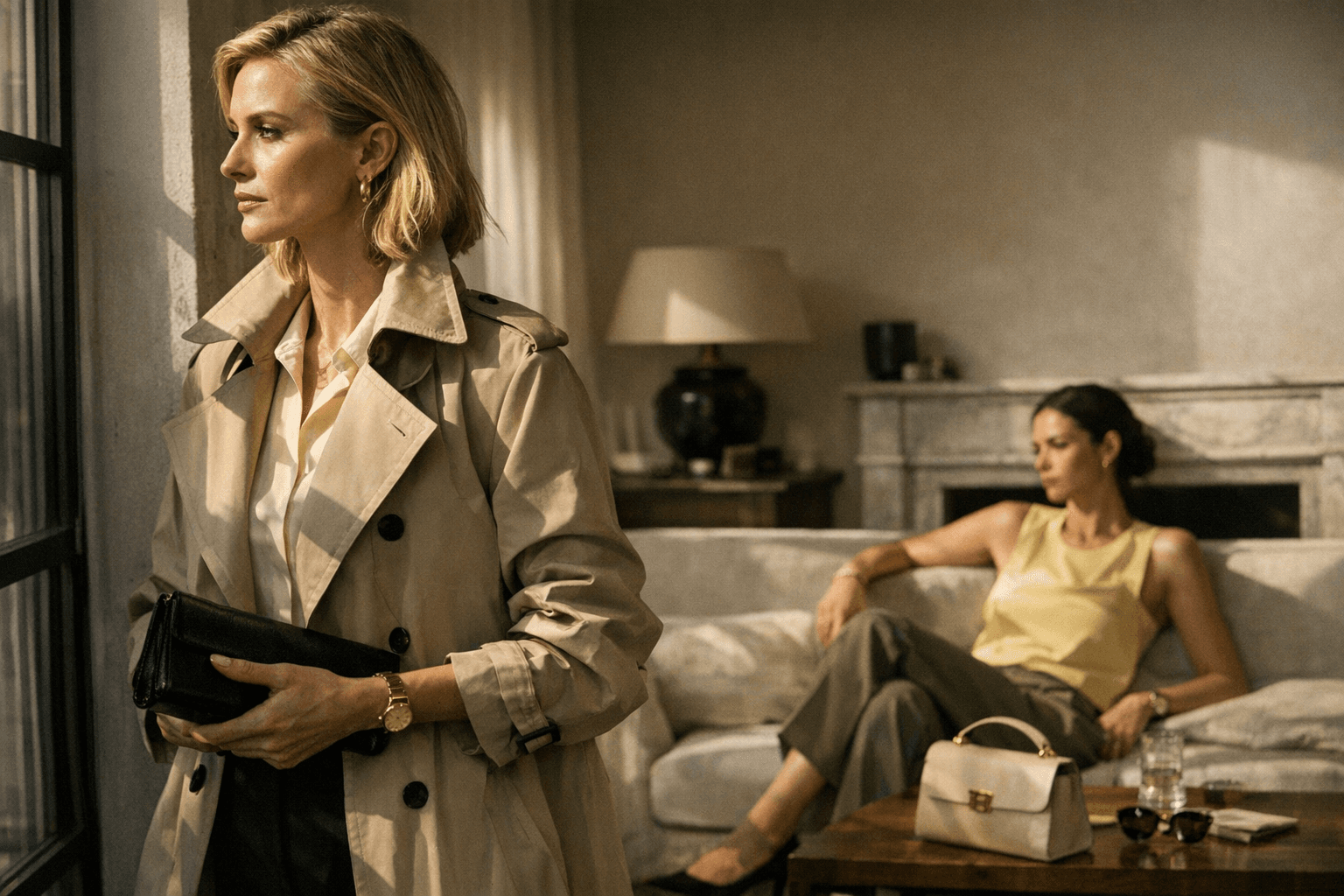
If you want the part of the trend that will outlast the mood cycle, start with trench coats and clean tailoring. These are the anchors of the look because they create structure without fuss, and that is where the quiet-expensive effect lives. A trench in a substantial fabric or a sharply cut blazer immediately reads more polished than anything overworked, especially when paired with simple separates rather than stacked with extras.
Butter yellow and olive green are the season’s most usable color stories because they feel restrained enough to function as neutrals with personality. Butter yellow softens the palette without turning sweet, while olive has the kind of grounded sophistication that never needs to explain itself. Both shades work best when the clothes are pared back: a straight skirt, a fluid trouser, a crisp shirt, a coat with a clean shoulder.
Phoebe Philo is the reference point because she made minimalism desirable
Phoebe Philo is the clearest lineage behind this look, and that matters because her influence has never been only aesthetic. She was creative director at Chloé from 2001 to 2006, then at Céline from 2008 to 2017, before launching her own label in 2023. Her Céline years are still the shorthand for modern minimalist luxury: clothes that were spare but never cold, expensive but never obvious.
The Business of Fashion has said she transformed Céline into a global fashion force that generated an estimated $900 million in annual sales before her exit in 2017. That kind of commercial force explains why the Philo mood keeps resurfacing. It was never just a runway idea. It became a way of dressing that customers trusted because it looked wearable, polished, and clear-eyed, with the kind of authority that does not need embellishment.
The retro notes are chic, but not all of them belong in your forever wardrobe
The season’s cropped shapes and oversized sunglasses bring the glamorous edge into focus, but they should be treated as accents rather than foundations. Cropped silhouettes can sharpen a look, especially when balanced with high-rise trousers or a longer coat, yet they tilt more fashion-forward than old-money. They can energize an outfit, but they are less likely to feel like the backbone of a lasting wardrobe.
Oversized sunglasses do useful work here because they add that slightly cinematic, guarded attitude that makes minimalism feel less severe. Still, they are a styling tool, not the main event. The clothes that matter most remain the ones with the strongest bones: the trench, the tailoring, the fluid but controlled lines that look as elegant in motion as they do at rest.
Why the spring 2026 mood feels bigger than one trend cycle
This minimalism lands at a moment when the fashion calendar itself is reinforcing the appetite for edited dressing. The Council of Fashion Designers of America’s preliminary official New York Fashion Week schedule for the spring-summer 2026 season covered September 11 to 16, 2025 and included more than 60 runway shows and designer presentations. That breadth matters because it shows how much of the season is being built from multiple city conversations, not one isolated idea.
With New York, Paris, and London all feeding the conversation around spring and summer dressing, the old-money look feels less like nostalgia and more like the market reasserting its faith in clothes people can actually wear. Marie Claire’s broader spring coverage reflects that same shift. It is not asking readers to decode the runway. It is guiding them toward what belongs in a real closet, and what only belongs in the mood board.
How to wear the look without turning it into costume
The easiest way to make this aesthetic feel current is to keep the styling spare and the fabrics honest. A trench coat should look substantial, not flimsy. Tailoring should hang cleanly through the body, with enough ease to feel lived-in but enough precision to look deliberate. Butter yellow works best in knits, shirts, or soft outerwear; olive green is strongest in coats, trousers, and structured dresses.
A useful way to edit the trend is to separate the wardrobe builders from the fashion accents:
- Buy first: trench coats, straight tailoring, softly structured separates, and well-cut pieces in butter yellow or olive.
- Add second: oversized sunglasses and cropped shapes, but only if the rest of the look stays controlled.
- Skip the over-styled version: anything too glossy, too embellished, or too aggressively retro to feel effortless.
That balance is what makes the spring 2026 version of old-money fashion feel persuasive. It is not about pretending to own a country house or dressing like a period piece. It is about clothes that project calm, restraint, and a very specific kind of confidence: the kind that comes from cut, fabric, and a refusal to overstate the point.
This article was produced by Prism’s automated news system from verified source data, official records, and press releases, then run through automated quality and moderation checks before publishing. The system is built and supervised by the people who set the standards it runs under. Read our full AI policy.
Did this article answer your question?