Spring 2026 Fashion Looks Beyond Y2K, Embraces Old Money Eras
Spring 2026 is trading Y2K flash for older codes of polish, from Rococo softness to Carolyn Bessette Kennedy minimalism. The mood is heritage, but only when it reads as restraint.
Spring’s backward glance is farther than the ’90s
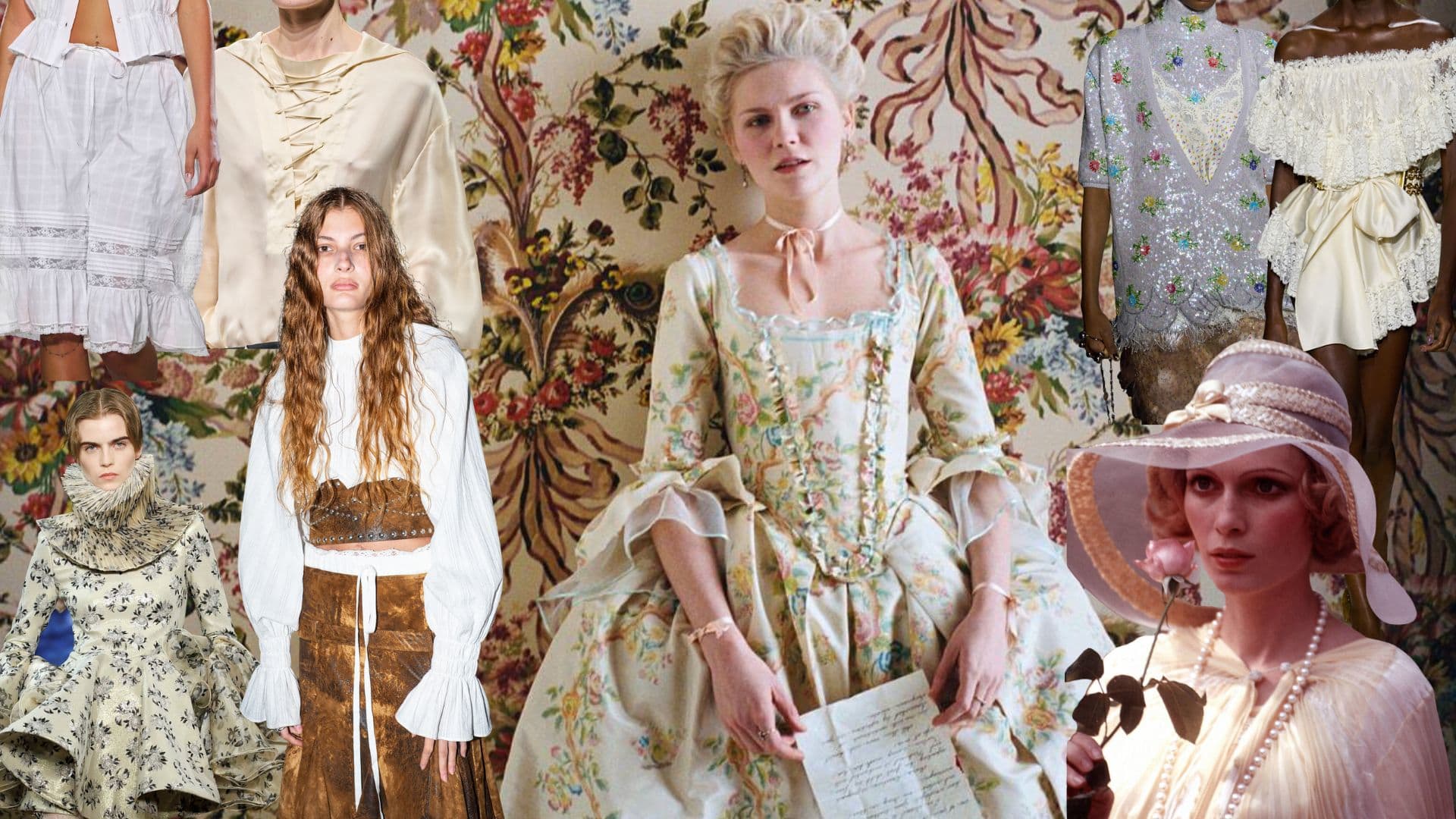
Spring 2026 is not leaning on the easy shorthand of Y2K nostalgia. Who What Wear’s runway read of both spring/summer 2026 and autumn/winter 2026 points to a broader mood shift, one that pulls from eras much older than the ’90s and treats history like a styling resource, not a costume box. The five lanes it identifies, Roaring Twenties, Rococo romance, Gothic Victorian, Baroque, and Renaissance revival, all speak to a desire for permanence: clothes that feel inherited, considered, and expensive in the quietest possible way.
That’s why the old-money lens matters here. The strongest looks do not quote history literally; they take the discipline from it. A dropped waist can nod to the Roaring Twenties without turning flapper. A clean pencil skirt can suggest lineage without looking fussy. The Business of Fashion’s State of Fashion 2026 report, now in its 10th annual edition, helps explain the shift, with trade, technology, and consumer behavior all pushing brands toward stable, heritage-coded dressing instead of a frantic race through microtrends.
Rococo romance works best when it is barely softened, not sweetened
Rococo is the easiest of these references to overplay. Left unchecked, it becomes macarons, corsetry, and decorative excess, all pretty on a hanger and exhausting on a real body. But in the right hands, Rococo romance becomes a lesson in texture and light: satin with a slight bloom, pale blush or cream, a bow placed with restraint, a pearl earring that feels borrowed from a family jewel box rather than bought for the night.
The old-money translation lives in the edit. Think silk blouse, bias-cut skirt, delicate embroidery, and color that stays dusted rather than sugary. What gives the look credibility is not volume but finish, the sense that the fabric knows how to behave. Push it too far with panniers, powdered sweetness, or head-to-toe ornament and the effect tips straight into costume.
Victorian gothic brings drama, but only if the silhouette stays sharp
Victorian gothic is the darkest and most seductive of the five lanes, which is exactly why it needs restraint. Its strongest codes are high necklines, lace, jet-black surfaces, velvet, and a sense of structure around the torso, all details that can read beautifully expensive when they are trimmed into a modern shape. The key is to let one gothic note carry the mood, not the entire wardrobe.
A lace blouse under a tailored blazer, a black wool coat with a fitted waist, or a long sleeve in sheer organza can suggest the era without becoming theatrical. Color is crucial here too: ink, garnet, and deep plum are far more convincing than costume-black shorthand alone. Old-money dressing in this lane feels severe in the best way, with polish doing the work that spectacle usually tries to do.
Baroque and Renaissance references belong in fabric, jewelry, and color
Baroque and Renaissance revival are the most opulent of the group, and they are also the easiest to get wrong. When they are handled well, the richness lives in the materials: brocade, tapestry-like weaves, embroidered surfaces, jeweled brooches, and deep jewel tones that look as though they were chosen for candlelight. These references do not need a full court silhouette to make their point; in fact, they are strongest when they arrive in one deliberate element.
A brocade jacket over plain trousers, a gold brooch pinned to a sharply cut coat, or a deep emerald dress with minimal jewelry can carry the grandeur without tipping into pageantry. Once you stack too many signals, ornate fabric, heavy trim, elaborate sleeves, the look loses the confidence that makes old money feel effortless. The real appeal is permanence, the idea that craftsmanship and restraint matter more than novelty.
Carolyn Bessette Kennedy is the clean counterpoint to all that ornament
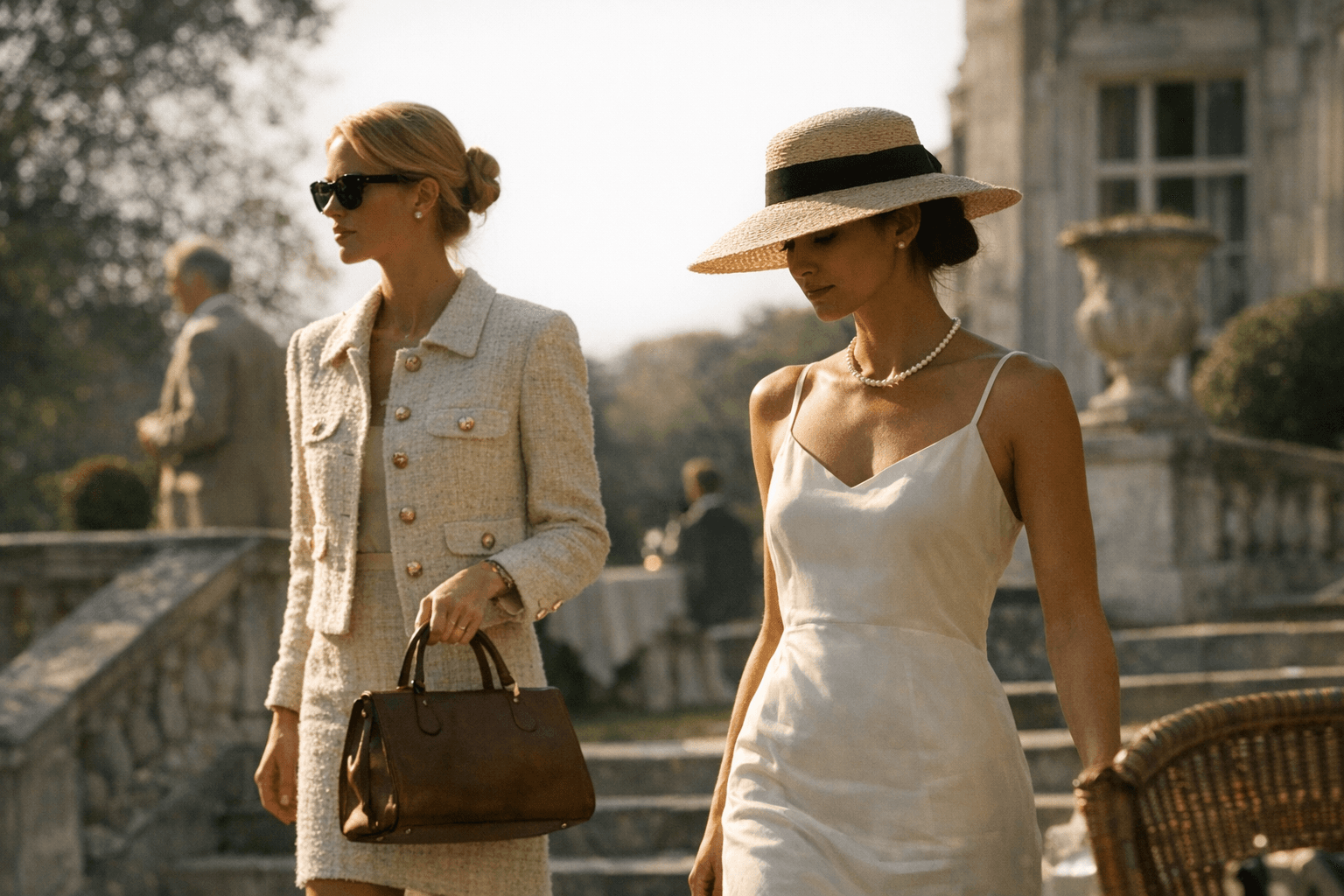
If the historic references provide the mood, Carolyn Bessette Kennedy provides the clean line that keeps it modern. Who What Wear says pencil skirts inspired by her are rising for spring 2026, and its style coverage frames her Calvin Klein-era wardrobe as a lasting template for sleek, polished silhouettes. CBC Life also folded Carolyn Bessette Kennedy-inspired fits into its spring trend roundup, proof that her appeal is not limited to one fashion audience or one nostalgia cycle.
The FX/Hulu series Love Story has widened that appeal even further, introducing her ’90s elegance to new audiences and, by many accounts, driving demand for CBK-linked accessories such as tortoiseshell headbands. The reports of sellouts and long lines at C.O. Bigelow in New York show how potent her image remains when it is translated into something wearable and specific. That is the point of this whole spring mood: old money is no longer about looking ornate for its own sake. It is about knowing exactly when to stop.
This article was produced by Prism’s automated news system from verified source data, official records, and press releases, then run through automated quality and moderation checks before publishing. The system is built and supervised by the people who set the standards it runs under. Read our full AI policy.
Did this article answer your question?