Spy Case at Luxury Yacht Maker Ferretti Faces Dismissal
Milan prosecutors dropped the spy case at Ferretti, home of Riva. Consider it your cue to study what old money actually wears on a superyacht.
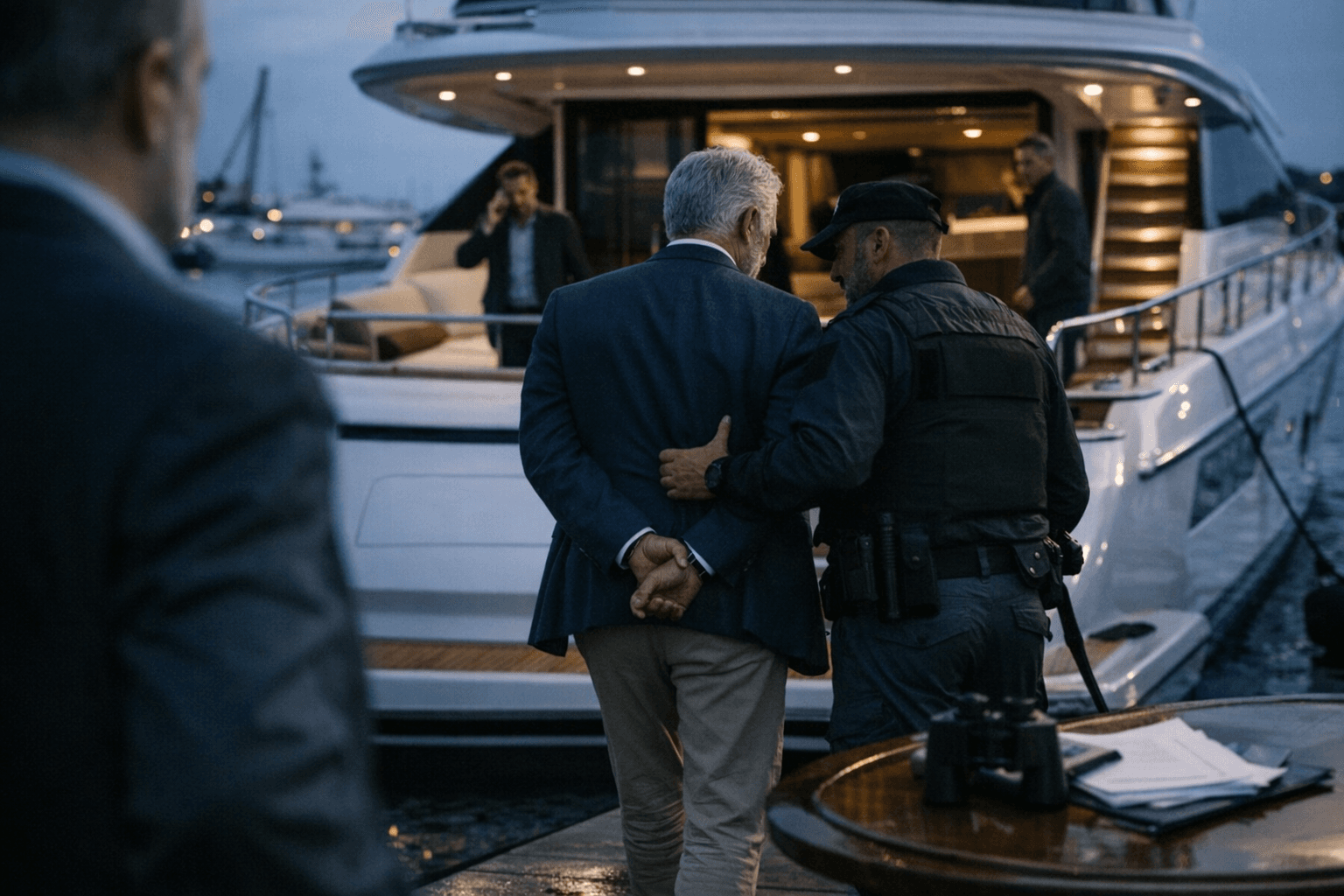
The spy case at Ferretti SpA, Italy's luxury yacht conglomerate, just hit a wall: Milan prosecutors requested dismissal of a corporate espionage investigation in late March, citing insufficient evidence to proceed to charges. A judge still has to sign off, and the case could be reopened if new evidence surfaces, so the drama is not entirely dead. Neither is the parallel takeover fight: Czech billionaire Karel Komárek's investment vehicle KKCG Maritime raised its cash offer for Ferretti shares to €3.90 per share this year, and the Ferretti board told shareholders to hold, calling the price inadequate. Weichai Power, the Chinese industrial conglomerate that controls Ferretti and listed the company on the Hong Kong Stock Exchange in 2022, and KKCG are not done with each other yet.
But here's why the broader world of style should care about any of this: Ferretti's crown jewel is Riva, a boatbuilder founded in 1842 by Pietro Riva on Lake Iseo in Lombardy. Carlo Riva, who ran the company from the 1950s through the 1970s, turned that heritage into something closer to a mythology. His mahogany-hulled Aquarama model was owned, at various points, by Brigitte Bardot, Sophia Loren, the Aga Khan, and King Hussein of Jordan. When a vessel becomes the preferred leisure prop of multiple monarchs and a generation of cinema's most photographed women, it stops being a boat and becomes a set. And sets require a wardrobe.
The Agnelli template still applies. Gianni Agnelli, the Fiat patriarch who functionally invented Italian summer dressing as social currency, wore his watch over his shirt cuff, kept his linen shirts one size loose, and treated sprezzatura not as affectation but as discipline. On a yacht, his discipline was practical: nothing that snagged on rigging, nothing that broadcast money loudly, everything in a palette that treated salt air and Mediterranean sunlight as design collaborators. Faded navy. Warm ivory. The color of sun-bleached rope. That grammar is still operative, and it is still being ignored by most people who step aboard charter yachts.
Start with the shoes, because they are where most people make their first mistake. The traditional choice is a leather-soled boat shoe, specifically the classic moccasin-style deck shoe with non-marking white rubber soles, worn without socks or with very short cotton no-show socks. Sperry and Sebago have been building these since the 1970s for a reason. The mistake is escalating to chunky sneakers or, worse, technical trainers with visible branding. A boat deck is not a streetwear runway; it is a working surface with teak that shows every scuff. If the soles are not made for marine environments, the shoes will leave marks and the crew will know immediately.
Fabrics are the second tier of the test. Salt air is corrosive and damp, and it treats synthetic fabrics with predictable cruelty: polyester gets clammy, fast-fashion linen wilts by noon, and anything with a heavy dye job fades unevenly against UV. What survives and looks intentional after six hours at sea: midweight Irish or European linen in natural or faded tones, cotton twill in navy or ecru, pure merino for evenings when the temperature drops, and lightweight wool-cotton blends that hold their shape when damp. Loro Piana has built a significant part of its identity around exactly this problem, with technical fabrics engineered for sun and wind exposure that still read as heritage textiles. The price point, a Loro Piana polo starts around $500, is calibrated for the Riva owner market rather than the charter guest market, but the material logic applies at any budget: natural fibers, neutral palette, nothing that cannot be hand-washed in a sink.
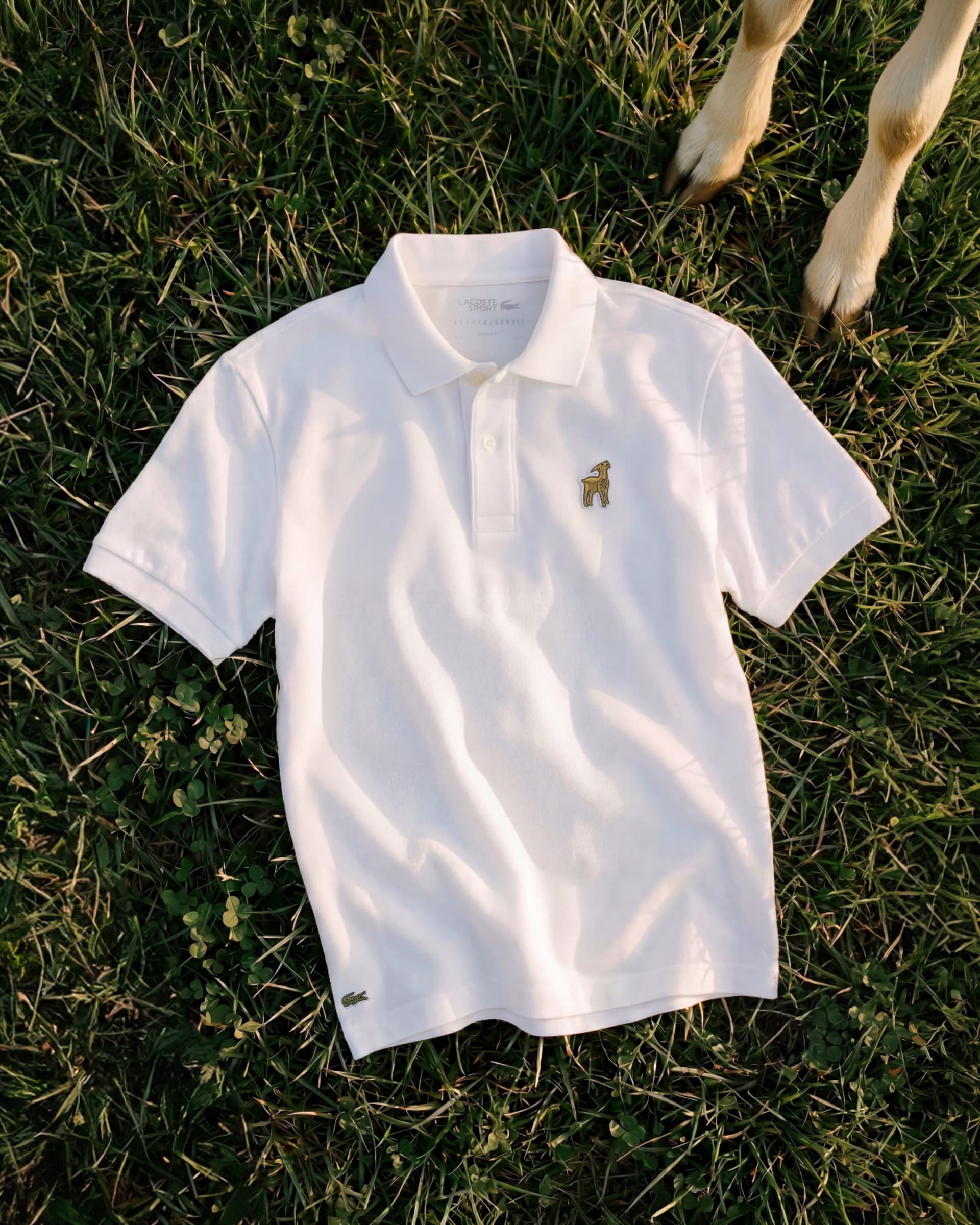
Logo-minimal is not merely a preference on a superyacht; it is a social code. Guests who arrive in head-to-toe branded sportswear register immediately as people who are new to this. The old-money logic is that the quality of the cloth speaks; labeling it defeats the purpose. A single small emblem, a polo player on a shirt, a small anchor on a belt buckle, sits at the outer limit. Exterior branding at scale, the kind that fills a logo where fabric should be, reads as insecurity about belonging. The people who belong have already stopped performing.
What reads gauche onboard is worth knowing cold. Heels of any kind on a teak deck are an immediate tell. Heavily structured handbags that require dry conditions signal inexperience with the environment. Dark-soled shoes leave marks. Bright white clothes photograph well but absorb diesel and brine and look catastrophic by hour two. Jewelry that clangs or swings, the kind you would wear to a dinner party ashore, is wrong for a vessel in motion; it becomes a liability and a noise complaint simultaneously.
For a 48-hour Mediterranean charter, the practical wardrobe collapses to a small and intentional set. Two pairs of chino shorts or lightweight trousers in sand, navy, or olive. Three linen or cotton shirts, one of which doubles as a light layer over a swimsuit. A lightweight merino or cotton crewneck for the evening. One swim kit that dries fast and does not look deflated when wet. Canvas sneakers or clean boat shoes for the deck; one pair of espadrilles or leather sandals for going ashore. One lightweight quilted or cotton jacket for unexpected weather. A wide-brimmed straw or canvas hat, not a baseball cap with a brand printed across the front. The entire kit should fit in a soft duffel, because superyachts have limited storage and hard-sided luggage is difficult to stow.
The Ferretti case, with its surveillance devices, competing billionaires, and contested board recommendations, is really a story about who gets to own what the Agnelli generation built and the Aquarama generation immortalized. The style question is less about ownership than access: what you wear when you step onto a Riva deck signals whether you understand what you are inheriting, even for 48 hours. The clothes do not need to be expensive. They need to be considered.
This article was produced by Prism’s automated news system from verified source data, official records, and press releases, then run through automated quality and moderation checks before publishing. The system is built and supervised by the people who set the standards it runs under. Read our full AI policy.
Did this article answer your question?