SS26 Great Reset Sees 15 New Creative Directors Reinvent Old Money Codes
SS26 crystallized a deliberate pivot: 15 creative‑director debuts across Paris and Milan are recoding old‑money taste toward craft, surprise and selective heritage.
1. Dior, Jonathan Anderson
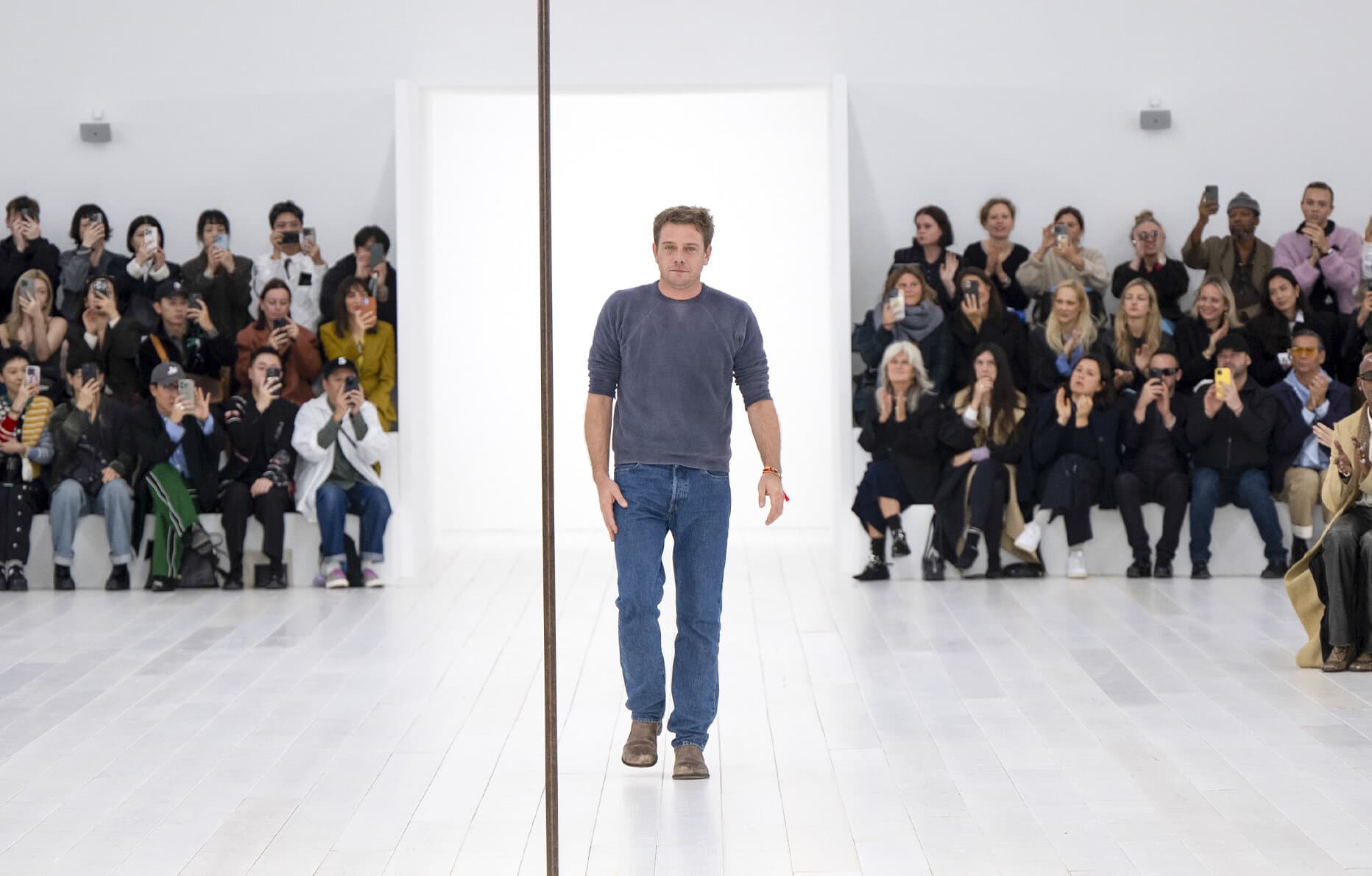
Jonathan Anderson’s Dior emerged as the season’s signal-caller: BoF recorded it as the top‑performing show at Paris S/S 2026 by share of voice in user‑generated content, and Harper’s Bazaar noted how “craft, heritage and a quirky sense of storytelling collide” under Anderson’s hand. That combination, rooted in couture techniques and an offbeat narrative voice, is precisely the kind of creativity younger customers prize (BoF: 81 percent under‑35 cite design and creativity as their primary purchase driver). Anderson’s performance shows how one debut can generate cultural momentum as well as social‑media traction.
2. Maison Margiela, Glenn Martens
Glenn Martens framed his Maison Margiela debut as an explicit conversation with the archive: “new design suggestions appear alongside reintroductions and evolutions of archival ideas,” he said, and Wallpaper documented a collection of deconstructed tailoring, slashed and reworked denim and slope‑shouldered silhouettes. Martens also borrowed ambience from Martin Margiela’s S/S 1990 reference points, bringing a gritty, referential mood that tests how archival reinvention can reset refined taste rather than flatten it into beige sameness.
3. Gucci, Demna
Demna chose to defer a traditional runway and release a lookbook titled “La Famiglia,” photographed by Catherine Opie, calling it “a study of the ‘Gucciness’ of Gucci, an expression of the brand as a mindset and a shared aesthetic language.” Wallpaper observed that Demna’s revisitations, from Horsebit loafers to the Bamboo bag and GG monogram, were read through the eyes of past creatives (Michele, Giannini, Tom Ford) but marked by his “unmistakable witticisms.” The move away from spectacle toward curated storytelling signals how heritage objects can be recontextualized for discerning, experience‑driven customers.
4. Jil Sander, Simone Bellotti
Jil Sander’s runway introduced Simone Bellotti in a debut captured by Harper’s Bazaar’s imagery, an explicit example among the SS26 roster of 15 new creative voices. The captioned debut at a house synonymous with restraint highlights the season’s recurring question: how do new directors negotiate the quiet, good‑taste codes of old money without surrendering distinctiveness? Bellotti’s arrival at Jil Sander is a test of minimalist language recalibrated for cultural appetite.
5. Chanel
Chanel was among the houses that used SS26 as an early test of new creative direction, according to multiple outlets noting debut womenswear collections across legacy maisons. In a market McKinsey/BoF call “Luxury’s great reset,” Chanel’s show is part of the larger industry experiment: can long‑guarded codes be freshly interpreted to restore desirability rather than rely on price escalation?
6. Balenciaga
Balenciaga figures in the season’s roster of leadership change and in Wallpaper’s wider narrative about a stylistic relay among major houses. That relay, between Michele, Pierpaolo Piccioli and Demna, underlines how creative moves at Balenciaga ripple through houses like Gucci and Valentino, reshaping what quiet luxury looks like when experimental edge meets established codes.
7. Loewe
Loewe appears repeatedly among the SS26 names spotlighted by Wallpaper and Harper’s Bazaar; its debut womenswear offering was cited as part of the season’s early tests. In an environment where ultra‑high‑net‑worth customers say the top attribute of luxury is “expertise and quality,” Loewe’s craft‑forward positioning is emblematic of a wider shift toward workmanship over indiscriminate price inflation.
8. Bottega Veneta
Bottega Veneta was listed among the houses central to the season’s reinventions, representing the kind of house where new directors must reconcile discreet, tactile codes with cultural relevance. The larger industry context, a $1.84 trillion fashion economy facing muted growth, makes Bottega’s stewardship a strategic exercise in value, scarcity and brand integrity.
9. Versace
Versace was one of the names flagged as part of the spotlight on 15 creative directors; the house’s flamboyant registers present a distinct challenge to the “quiet luxury” conversation. Versace’s place in the SS26 chorus demonstrates that the reset is not monolithic: some houses answer the call with amplified glamour while still seeking to reanchor desirability through craft and story.

10. Jean Paul Gaultier
Jean Paul Gaultier’s inclusion in Wallpaper and Harper’s Bazaar lists places the house among those whose new leadership must translate couture legacy into contemporary cultural currency. For houses with a storied past, SS26 became a laboratory for marrying archival bravado with the refined signals that old‑money audiences respect.
11. Mugler
Mugler was named in Wallpaper’s rundown of houses that supplied new creative leadership this season. The house’s theatrical DNA provides a counterpoint to minimalism: Mugler’s reinvention across SS26 contributes to the season’s larger claim that creativity, not inflationary pricing, will drive engagement (BoF: design and creativity are primary purchase drivers for younger customers).
12. Area
Area appears on Wallpaper’s list of houses affected by the SS26 creative turnover, demonstrating that the reset spans both heritage couture brands and younger, design‑led labels. Area’s involvement underscores how the reappraisal of classic codes reaches houses that trade in contemporary references as much as in legacy emblems.
13. Proenza Schouler
Proenza Schouler was another name included in Wallpaper’s season inventory; its presence in the cohort points to a broader industry tactic of appointing fresh voices to retool codes of taste. In a flat growth market forecast by McKinsey/BoF, houses like Proenza Schouler can punch above their weight by emphasizing invention and scarcity.
14. Valentino
Valentino featured in Wallpaper’s mapping of a fashion relay and SS26 debuts, a signal that the house’s stewardship is part of a wider choreography among top brands. The relay, with Alessandro Michele, Pierpaolo Piccioli and Demna cited as passing influence between Gucci, Valentino and Balenciaga, shows how leadership shifts recalibrate expectations about heritage and experimentation.
15. Celine
Celine was listed by Harper’s Bazaar among the houses in the SS26 cohort, and its placement completes the season’s roster of 15 names that together frame “a season of strategic reinvention,” as Harper’s Bazaar put it. The stakes are explicit: BoF/McKinsey document that nine of the largest 15 luxury brands appointed new creative directors in the 12 months since September 2024 and that luxury must “recalibrate” toward creativity and craftsmanship; Interbrand’s Manfredi Ricca argues the reset “is about restoring balance: pricing that reflects real value, operations that reinforce integrity, and creativity that inspires shapes culture.” These houses, and the 15 creative directors who led them, are the practical test of whether luxury can rebuild trust and desire without losing the codes older customers prize.
Conclusion (implicit in item 15) SS26 wasn’t a round of musical chairs; it was an intentional repositioning across 15 houses, each debut a promise that craftsmanship, selective heritage and fresh storytelling will replace algorithmic sameness and price‑led expansion as the true currency of old‑money appeal.
This article was produced by Prism’s automated news system from verified source data, official records, and press releases, then run through automated quality and moderation checks before publishing. The system is built and supervised by the people who set the standards it runs under. Read our full AI policy.
Did this article answer your question?