Streamlined loafers dominate 2026, the polished quiet-luxury shoe
Chunky loafers are out; 2026 is all about slimmer pairs in leather, suede, or croc-embossed finishes that read expensive without trying too hard.
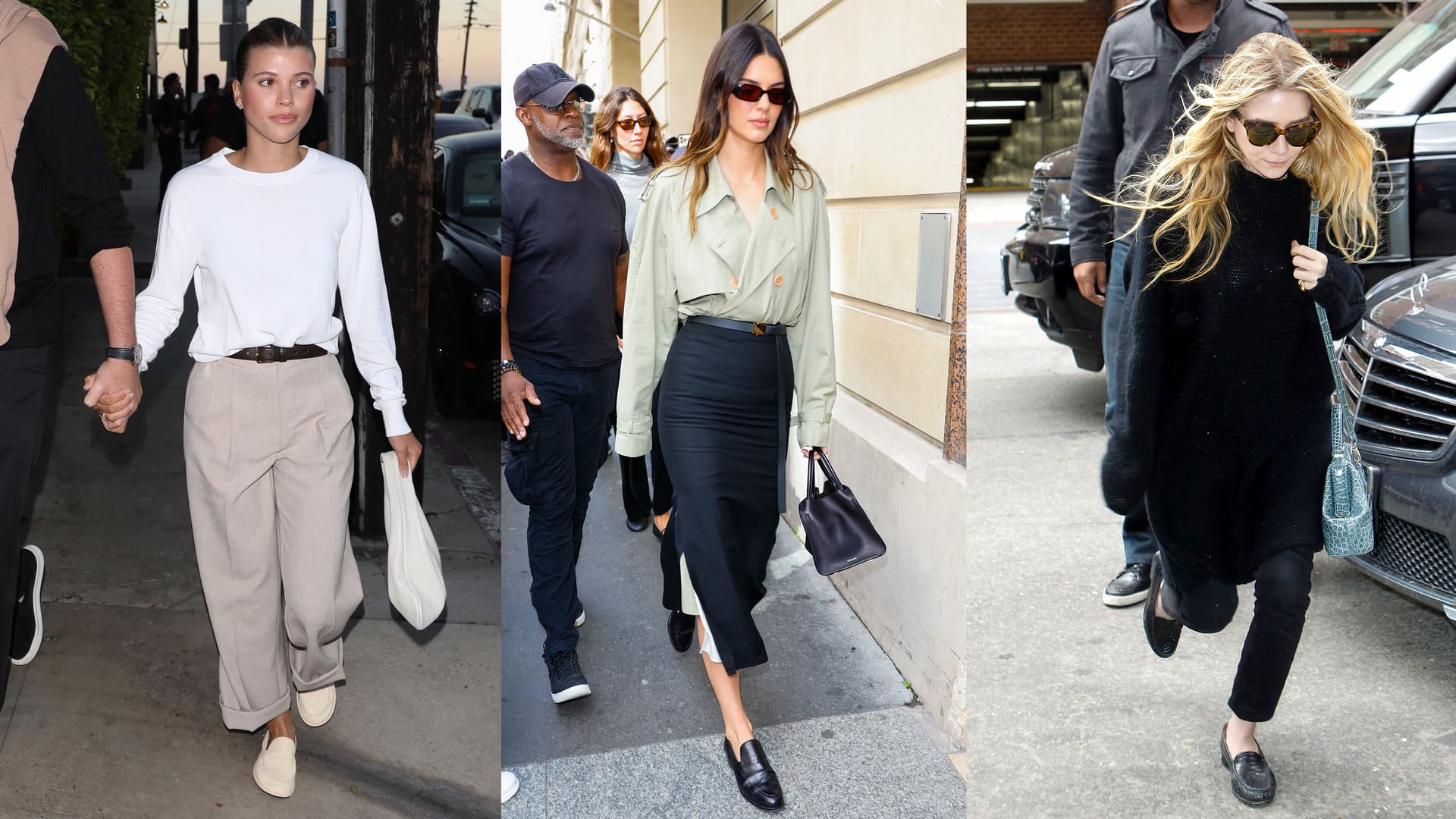
The loafer is slimming down, and that is the real story. After a few seasons of heavy lug soles and oversized volume, 2026 is pushing the shoe back into sharper, quieter territory, the kind that slips under tailored trousers and instantly makes an outfit look better composed.
The silhouette has changed, and that changes the whole mood
Who What Wear’s read on the market is blunt: streamlined loafers are the silhouette winning 2026, and the super-chunky styles that were everywhere a few years ago are giving way to low-profile pairs. That shift matters because it moves the loafer back into old-money territory, where polish beats spectacle and the shoe is supposed to support the outfit, not steal the scene.
This is why the current loafer feels more Ivy League than street. The best versions have a flatter profile, a cleaner sidewall, and enough structure to hold their shape without looking armored. In the language of dressing codes, they signal restraint, legacy, and control, which is exactly why they are landing so hard in a year when fashion is tired of shouting.
What to buy if you want the right version
If you want the loafer that actually reads 2026, start with the toe. The most convincing pairs are streamlined through the front, with a narrower almond shape or a softly squared line that still feels refined. Skip anything bulbous, aggressively square, or cartoonishly long, because the whole point now is discretion.
The sole should stay close to the ground. Think slim, structured, and easy to walk in, not thick and lugged. That is the fastest way to tell whether a pair belongs to the current polished mood or is still stuck in the heavy, post-pandemic loafer phase.
Material is doing a lot of the work too. Who What Wear highlights suede, leather, and croc-embossed finishes as the main 2026 options, and that trio makes sense. Leather looks the most authoritative, suede softens the form for day-to-day wear, and croc embossing gives the shoe texture without adding bulk.
- chunky lug soles
- platform-heavy bottoms
- overly rounded, clunky toes
- glossy finishes that look cheap rather than rich
- decorative hardware that overwhelms the shoe
What to avoid is just as important:
If the loafer looks like it is trying to be a sneaker, it has already missed the point. The new one should feel controlled, discreet, and expensive in a quiet way.
Why the loafer is back in the old-money rotation
This silhouette is so tied to old-money style because it has always lived near tailoring, prep, and campus codes. The Gentlemen’s Journal traces the loafer back to Norwegian slip-on shoes, then points to G.H. Bass bringing the style to the masses with the Weejun, which became a campus staple across the United States. That lineage is exactly why the shoe still carries an Ivy League charge.
The modern penny loafer, introduced by G.H. Bass in 1936, set the template for a shoe that could move from class to club lounge without losing its polish. Gucci’s Horsebit loafer, launched in 1953, pushed the category into luxury territory, and PORTER notes that Gucci has been making classic loafers for more than 70 years. Between those two poles, the loafer became the perfect old-money object: practical, coded, and instantly legible to anyone who knows the language.
The designers and retailers are leaning into the sleeker mood
The current push is not happening in a vacuum. PORTER describes classic loafers as combining effortless polish, walk-miles comfort, and timeless appeal, and that is exactly the balance fashion is chasing right now. The structured sole, polished leather upper, and signature details like a metal buckle, tassels, or a penny strap still matter because they anchor the shoe in its original design codes.
WWD is seeing the same thing in menswear. For spring 2026, loafers are still functioning as the main sneaker alternative, and Nordstrom men’s fashion director Jian DeLeon says the trend is moving toward sleeker, dressier shoes with a “rumpled sense of elegance.” That phrase nails the new mood: slightly undone, but still undeniably composed.
Bruce Pask, senior director of men’s fashion at Saks Fifth Avenue and Neiman Marcus, says comfort-focused innovation is helping drive demand, which explains why the category is expanding rather than fading. People still want mileage, but they want that mileage wrapped in a shoe that looks like it belongs in a boardroom, a museum dinner, or outside a Paris show.
Why this feels like a quiet-luxury reset, not a nostalgia play
The old-money shoe conversation in 2026 is not really about minimalism for its own sake. It is about recalibrating what polish looks like after a run of louder, heavier, more obviously trendy footwear. Who What Wear’s shopping edit names Prada, The Row, Saint Laurent, and Gucci, and that mix tells you everything: the category is still trend-aware, but it is being sold as an investment piece, not a throwaway seasonal flex.
Who What Wear UK makes the argument even more directly, treating loafers as a polished style that can make an outfit look more expensive, with real leather as the smartest choice for longevity. That is the practical filter worth using. If the shoe cannot sharpen a tailored trouser, clean up denim, or sit naturally under a long coat, it is not the right loafer for this moment.
The best 2026 pair is the one that looks like it has been in your wardrobe forever, even if you just bought it. Slimmer, quieter, and more exacting than the chunky loafers of the last cycle, it is the shoe that makes old-money dressing feel current again.
This article was produced by Prism’s automated news system from verified source data, official records, and press releases, then run through automated quality and moderation checks before publishing. The system is built and supervised by the people who set the standards it runs under. Read our full AI policy.
Know something we missed? Have a correction or additional information?
Submit a Tip