The Devil Wears Prada 2 fuels luxury brands’ Gen Z status push
Luxury brands are betting on The Devil Wears Prada 2 to pull Gen Z back to polish, pedigree and authority dressing, where logos matter less than taste.
The sequel as a luxury stress test
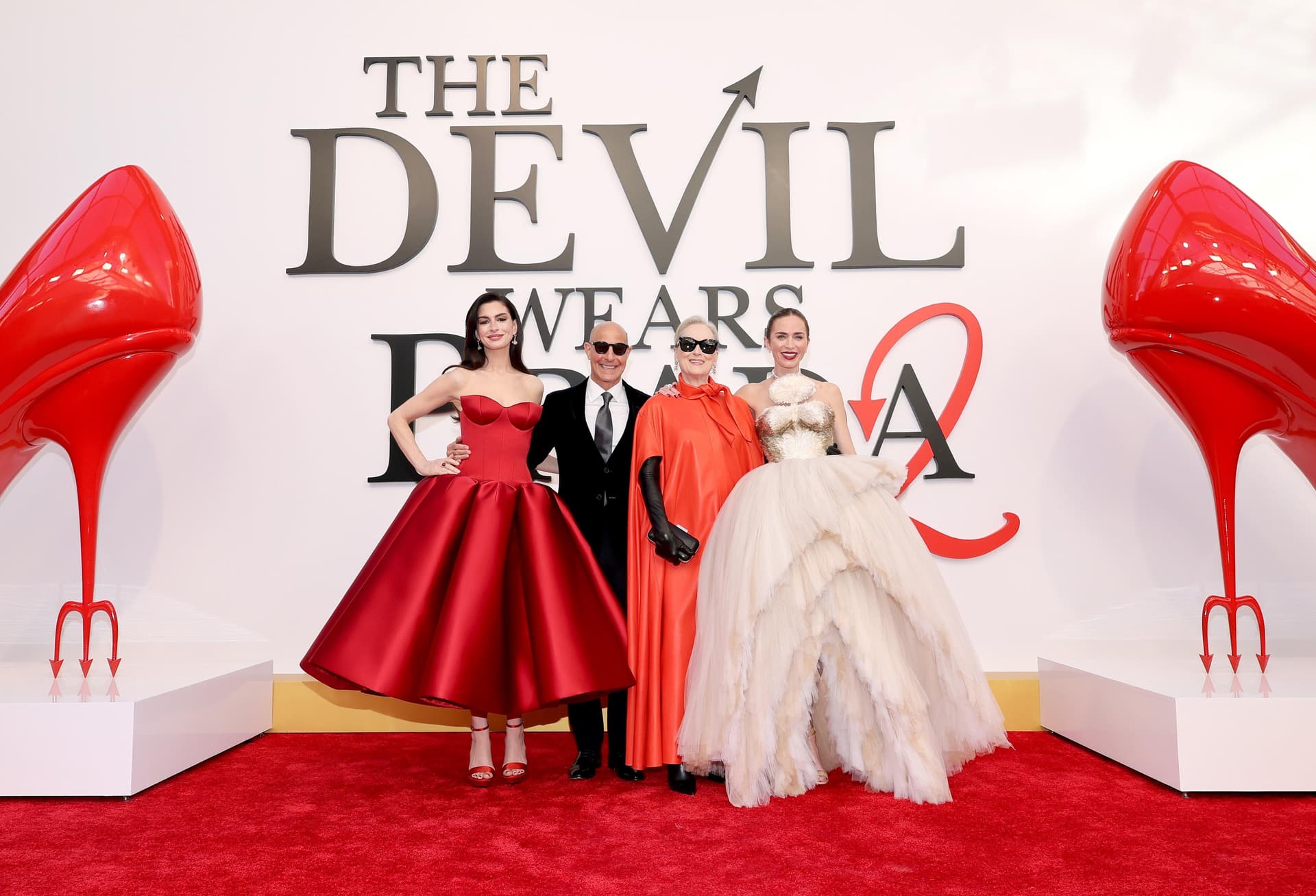
The real spectacle around The Devil Wears Prada 2 is not the runway fantasy, it is the business model. Luxury brands are treating the sequel as a way to pull Gen Z back toward ultra-premium fashion after a soft stretch for the category, using a movie built on office authority and elite taste to refresh aspiration without leaning on loud logo culture.
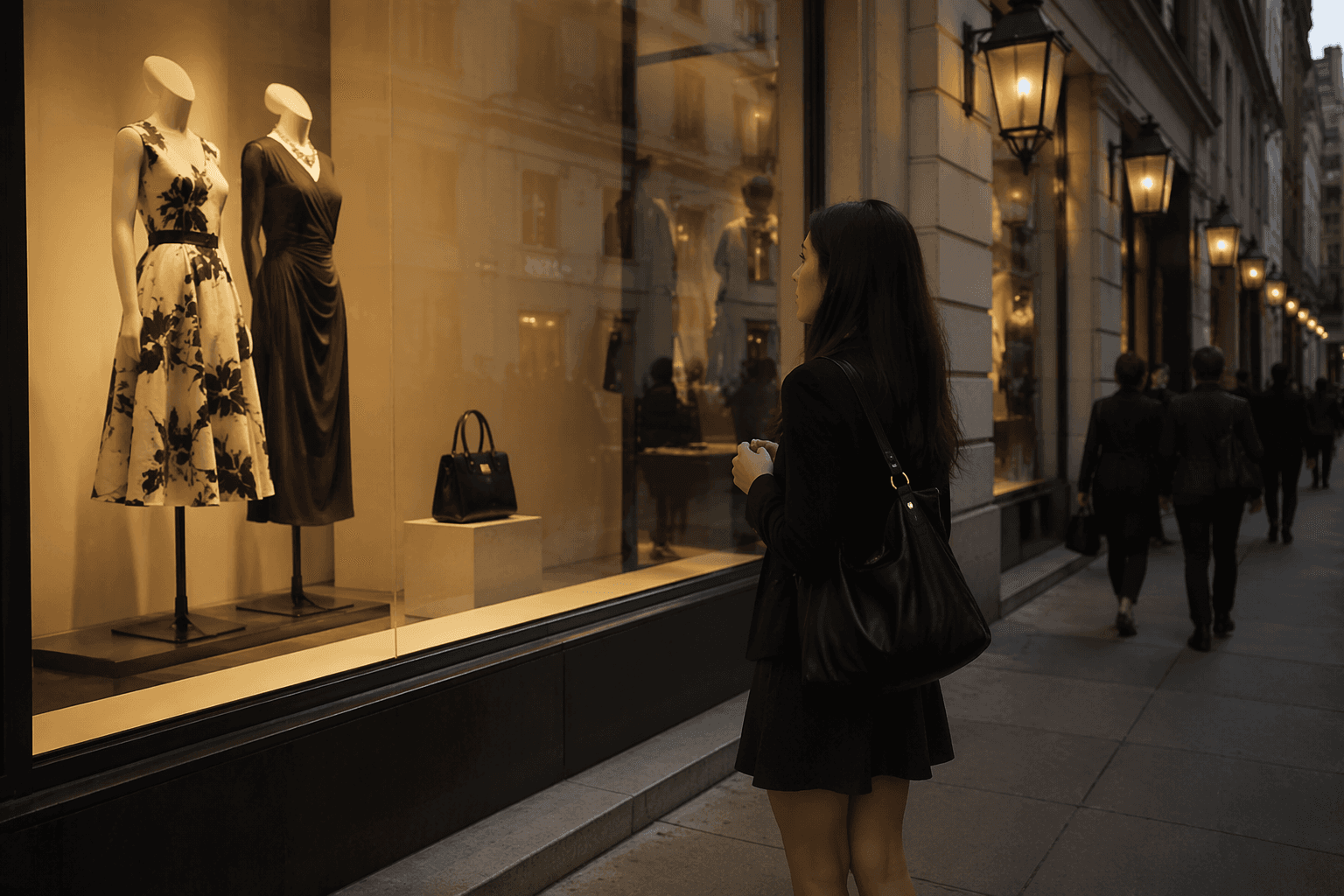
That is a sharp pivot for an industry under pressure. Bain & Company said global luxury spending was expected to be broadly stable in 2025 at about €1.44 trillion, but it also warned that the sector is facing its most far-reaching disruptions in at least 15 years. In other words, the market is still enormous, but the signals inside it are changing fast.
Why luxury needs a new kind of buyer
The numbers explain the anxiety. Bain expects more than 300 million new consumers to enter the luxury market over the next five years, and more than half of them are expected to be in Generation Z or Generation Alpha. McKinsey & Company has also pointed to a slowdown in 2024 that is expected to continue through 2025, which is why customer experience and loyalty have become such prized growth opportunities for executives heading into 2026.
Forbes sharpened the generational picture even further. One analysis said the number of luxury consumers fell from 400 million in 2022 to 340 million in 2025, and that Gen Z shoppers are asking for authenticity, ethical clarity and clear brand positioning rather than simple logo recognition. That shift matters because it changes what status looks like: not spectacle for its own sake, but confidence, restraint and a sense that the wearer knows the code.
What the film is really selling
The Devil Wears Prada 2 is being positioned as a theatrical event for May 1, 2026, with filming confirmed in 2025 and the original cast returning, including Meryl Streep, Anne Hathaway, Emily Blunt and Stanley Tucci. That alone gives the sequel enormous inherited glamour, but the bigger value is cultural. The first film made Miranda Priestly shorthand for a specific kind of elite fashion authority, and the sequel is now being used as a bridge between that older idea of luxury and a younger audience that does not automatically equate expensive with desirable.
Industry coverage says brand partnership contributions around the sequel have been valued at $250 million, which tells you everything about how hard luxury houses are leaning in. They are not merely buying proximity to a movie; they are buying relevance inside a story about taste hierarchy, editorial power and the kind of competence that reads as expensive even when nothing is screaming for attention.
Why old-money codes are back in focus
This is where old-money dressing comes back into frame. The sequel’s pull is not nostalgia in the sentimental sense. It is a stress test for whether luxury can revive aspiration through legacy, office polish and insider competence, the kinds of signals that make a wardrobe feel inherited rather than assembled.
That means the language of dress changes too. The most convincing old-money looks are no longer about obvious wealth markers. They are about the immaculate drape of a tailored blazer, the authority of a crisp shirt collar, the discipline of a straight, clean silhouette and the quiet confidence of clothes that look rewearable, not disposable. Even when the fabrics are sumptuous, cashmere with a dense hand, wool with structure, silk with a soft sheen, the message is control.
- a sharply cut blazer over a simple knit
- polished trousers that skim rather than cling
- a leather bag with architectural structure
- shoes that look maintained, not trend-chasing
- jewelry that feels inherited, not inflated
A Gen Z audience does not necessarily want to dress like a billionaire, but it does want to understand why one looks the part. That is why this moment favors clothes that suggest pedigree, not performance:
Those choices are the visual opposite of logo-driven fantasy. They signal that the wearer understands the room before entering it.
What luxury houses are trying to recover
Luxury’s problem is not only desirability, it is credibility. Bain’s forecast shows the market still has scale, but the disruption is cultural as much as economic. McKinsey’s emphasis on customer experience and loyalty points to the same conclusion: luxury cannot rely on price escalation alone when younger consumers are looking for meaning, coherence and proof that a brand still knows how to make them feel seen.
That is why a film like The Devil Wears Prada 2 matters so much to brands. It gives them a narrative vehicle for authority, one rooted in legacy rather than novelty. The attraction is not simply that it recalls fashion fantasy, but that it makes competence look seductive again, and in 2026 that may be the most valuable luxury signal of all.
The lasting takeaway is likely not a return to gimmicky status dressing. It is a quieter, stricter recalibration toward old-money codes of authority, where polish beats flash, lineage beats hype and the most persuasive luxury story is the one that looks as if it has been worn, inherited and understood for years.
This article was produced by Prism’s automated news system from verified source data, official records, and press releases, then run through automated quality and moderation checks before publishing. The system is built and supervised by the people who set the standards it runs under. Read our full AI policy.
Did this article answer your question?