Weekend Max Mara marks Pasticcino bag anniversary with Florence heritage chapter
Florence gave Weekend Max Mara’s Pasticcino real provenance: archive Vichy checks, Lisio silks, Budri marble, and six numbered bags built for collectors.
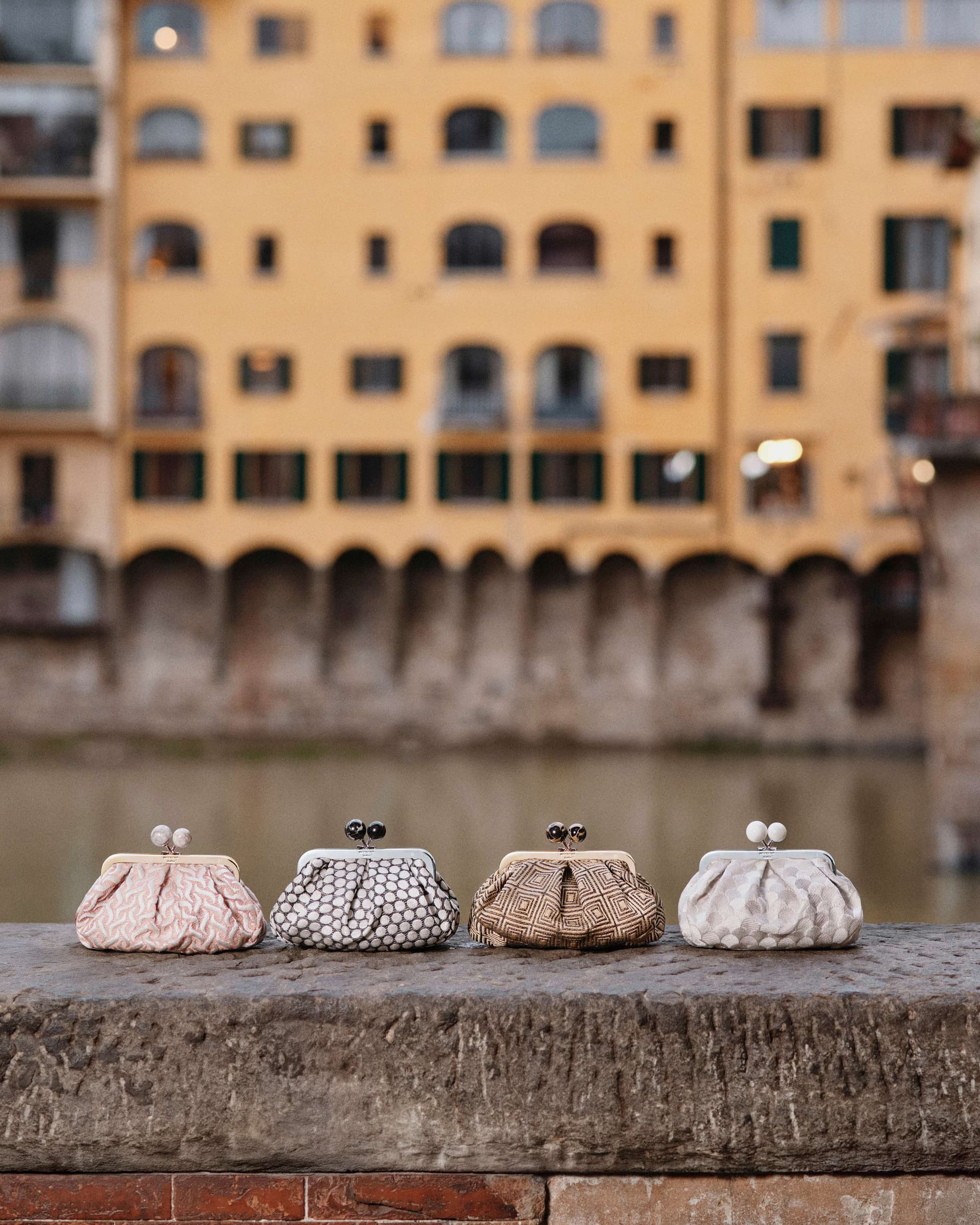
Weekend Max Mara made a strong case that the Pasticcino bag can behave like a collectible, not just a seasonal accessory. In Florence, the house’s Italian Roots chapter turned the 10th anniversary of the bag into a study in provenance, pairing archive-minded reissues with textile work rooted in Tuscan craft, marble detailing, and a numbered run of six special-edition bags.
That matters because the Pasticcino has always sold on personality as much as polish. First introduced in 2016 and named for the Italian word for small pastry, the pouch has a playful, day-to-dark ease that keeps it from feeling like a museum object. Weekend Max Mara’s Re-Issue capsule revisited five archive versions, starting with the original Vichy checks, a reminder that the bag’s strongest currency is not novelty but recognizability. In a market where old-money shoppers reward objects with a clear lineage, that archive logic carries more weight than another simply pretty launch.
The Florence chapter was the fifth stop in the Pasticcino Bag World Tour, which began in 2022 after earlier visits to Venice, Kyoto, Paris and Granada. This return to Italy gave the project a sharper point of view. Six numbered bags were crafted with fabrics from Fondazione Arte della Seta Lisio, the Florence mill founded by Giuseppe Lisio in 1906, while Budri supplied the marble ball clasps and, on the large and medium versions, a marble insert along the closure trim. That is the kind of material story that can travel beyond a press calendar, because it reads as making rather than marketing.
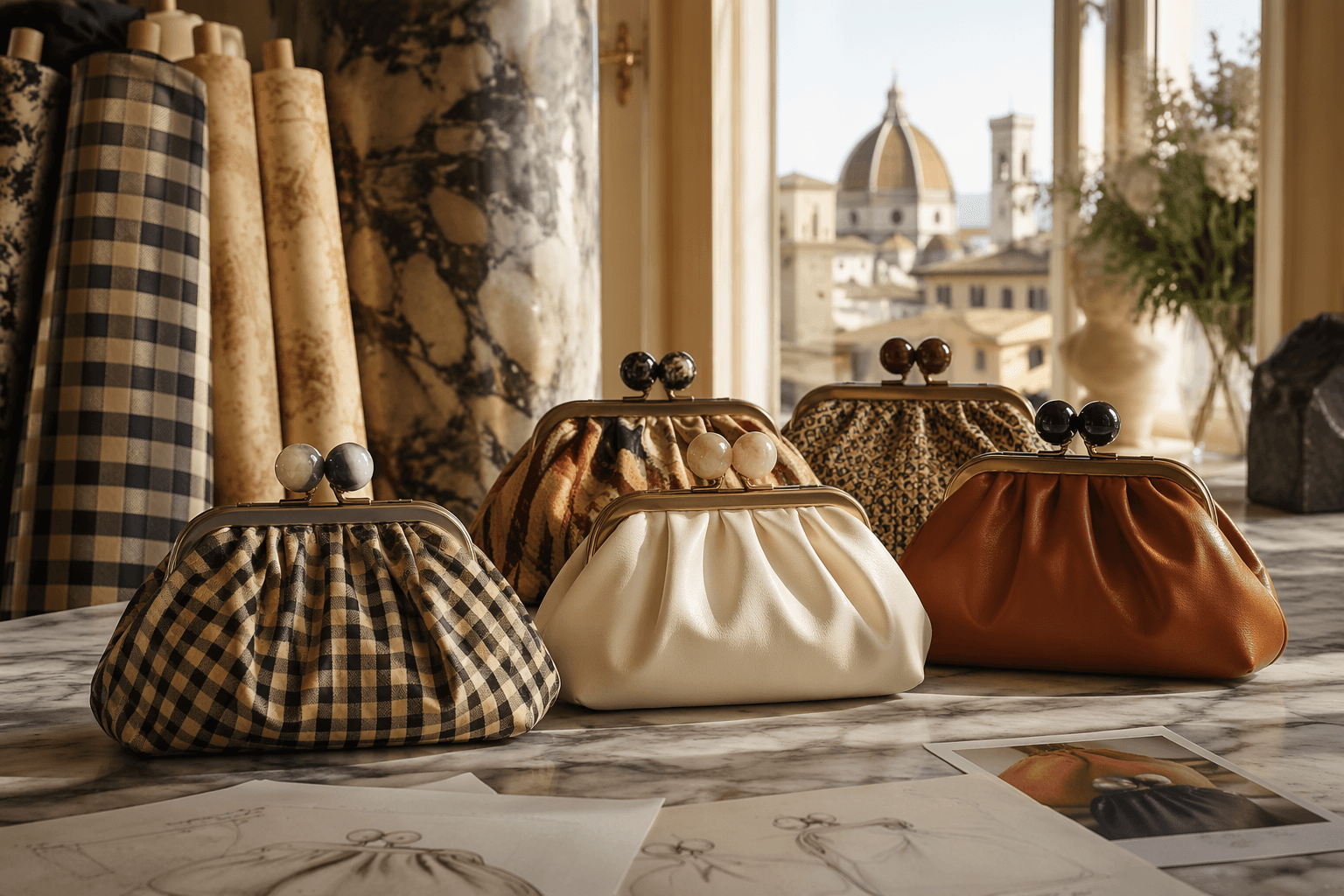
The textiles leaned hard into Florence’s own visual language. Weekend Max Mara and the foundation framed the jacquards around Tuscan Renaissance architecture, with motifs inspired by monuments and palazzos, plus references to marble waves, facades, columns, coffered ceilings and the softened palette of Renaissance interiors. After World War II, Fidalma Lisio carried the family business forward and established the Fondazione Arte della Seta Lisio in 1971 to preserve the craft and train new artisans, which gives the collaboration genuine depth. For buyers who collect with an eye on future resale, that combination of numbered editions, historic mill work and marble hardware gives the Pasticcino something rarer than trend appeal: a credible claim to heirloom status.
This article was produced by Prism’s automated news system from verified source data, official records, and press releases, then run through automated quality and moderation checks before publishing. The system is built and supervised by the people who set the standards it runs under. Read our full AI policy.
Did this article answer your question?