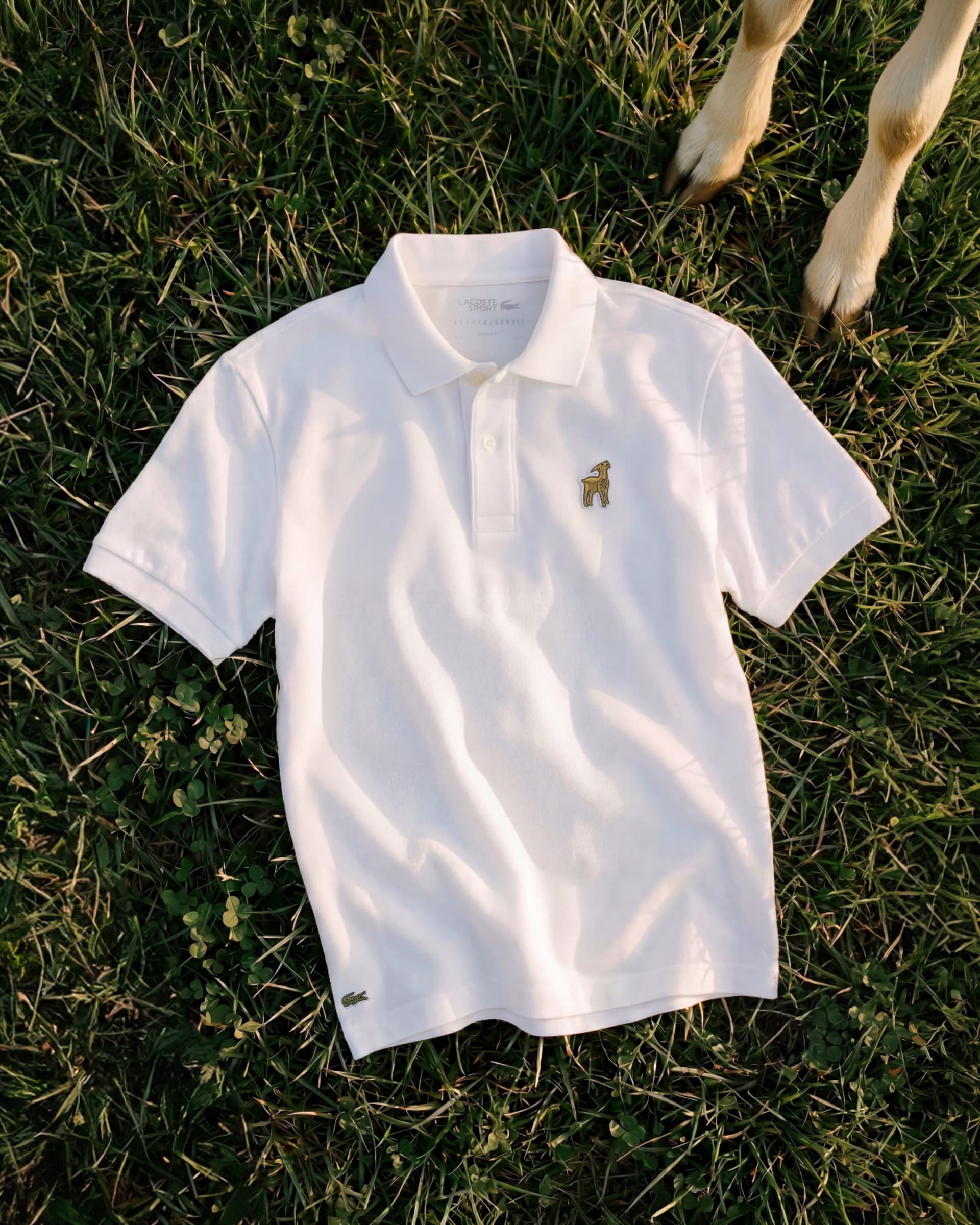
Zegna's Vertical Integration and Multi-Brand Strategy Define Conscious Luxury Era
Zegna posted €1.917B in FY2025 revenue while deliberately shrinking wholesale — proof that cutting volume can actually build a luxury brand.
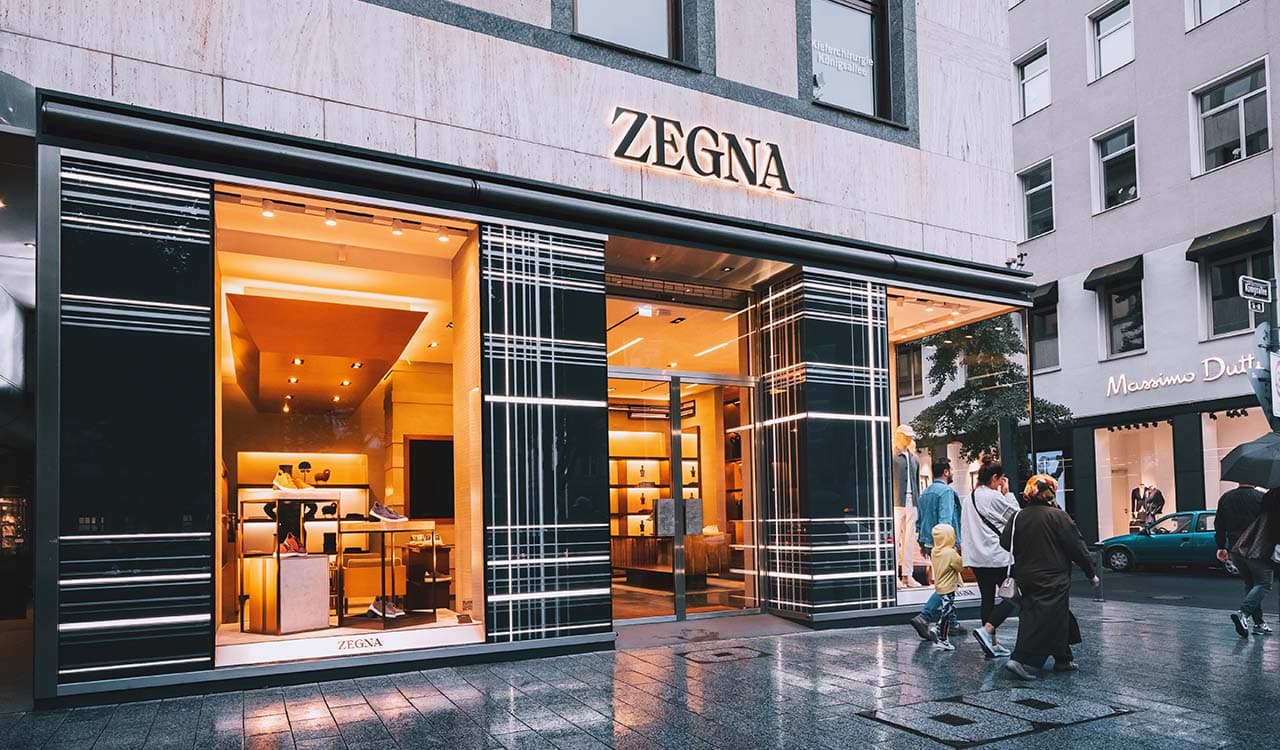
Ermenegildo Zegna posted €1.917 billion in total revenues for FY 2025 and, in the same breath, told the market it was fine with earning less from more places. That willingness to shrink deliberately is the clearest signal yet of where conscious luxury is heading: toward margin, ownership, and restraint.
The numbers, released on March 20, 2026, look contradictory at first glance. Reported revenues dipped 1.5%, a decline the company attributed directly to the intentional pruning of wholesale accounts. Strip out that strategic contraction, and organic growth came in at a positive 1.1%. The standout metric for 2025, however, was profitability, not the top line. Zegna is prioritizing "value over volume," and the financials are being engineered to reflect exactly that.
Trading Volume for Margin
The wholesale pruning is the most revealing move in the FY 2025 results. Luxury brands built on exclusivity have long understood that where a product is sold shapes how it is perceived. By pulling back from wholesale distribution, Zegna is tightening control over its retail environment, protecting price integrity, and concentrating sales through channels that support higher margins. The reported revenue dip is not a stumble; it is the cost of repositioning, and the company appears to have paid it willingly.
This "value over volume" philosophy is not purely defensive. With organic growth holding at +1.1% even as wholesale accounts were cut, the underlying demand signal is stable. The business is not shrinking; it is being reshaped. That distinction matters considerably for how investors and the broader luxury industry read the results.
A Century of Cloth, A Modern Portfolio
Zegna's competitive argument has always rested on what happens before a garment reaches a showroom. The company's vertically integrated textile operation, built across more than a century, gives it a degree of control over raw materials and fabric quality that most fashion conglomerates cannot replicate by acquisition alone. That heritage in fine textiles is not branding language; it is a structural advantage in a market where traceability and craft credentials are becoming prerequisites rather than differentiators.
The modern layer on top of that heritage is a multi-brand approach that spans aesthetic extremes. Thom Browne brings an avant-garde sensibility, a label whose proportion-defying tailoring and intellectual rigor sit at the farthest edge of contemporary menswear. Tom Ford Fashion operates in an entirely different register: glamorous, high-polish, and architecturally seductive. Together, they extend Zegna's reach across taste profiles and price points without requiring the parent brand to stretch its own identity to cover that ground.
By combining its century-old heritage in fine textiles with a modern, multi-brand approach including the avant-garde Thom Browne and the glamorous Tom Ford Fashion, Zegna is attempting to prove that a family-controlled, vertically integrated model is the most resilient path forward in a volatile global economy. That sentence, from financial analysis published alongside the FY 2025 results, doubles as a thesis statement for the entire strategic era the company is now entering.
Stock Resilience as a Confidence Signal
ZGN shares were trading around $9.30 as of March 20, 2026. After the post-IPO volatility that characterized 2022 and 2023, that stability reads as a market acknowledgment that the strategic direction is coherent, even if the short-term revenue math involves deliberate trade-offs. A stabilizing trend at this level suggests investors are willing to hold through the transitional period rather than punish a company for consciously sacrificing volume.

The comparison to the IPO years matters contextually. Luxury stocks that went public in the early 2020s faced a particularly brutal recalibration as post-pandemic demand euphoria faded and interest rate environments shifted. That Zegna has found a floor and is trading with what analysts have characterized as remarkable resilience is not incidental. It reflects a market reading the family-controlled governance structure as a stabilizer rather than a liability.
Family Control as Strategic Architecture
The governance dimension of Zegna's story is worth examining on its own terms. Family-controlled luxury companies operate with a time horizon that publicly dispersed shareholders rarely tolerate. Decisions like wholesale pruning, which compress reported revenues in the near term for structural margin gains over a longer arc, require the kind of conviction that quarterly earnings pressure tends to erode. Zegna's family-controlled model provides the institutional patience that this particular pivot demands.
The FY 2025 release also signals a major leadership transition running in parallel with the strategic repositioning. The specifics of who is moving and into which roles had not been detailed in the earnings materials, but the pairing of a strategic pivot with a leadership change is itself a statement of intent. Companies that announce both simultaneously are typically drawing a clean line between one chapter and the next.
What Conscious Luxury Actually Requires
The phrase "conscious luxury" gets deployed loosely across fashion and finance, but Zegna's FY 2025 results give it a specific operational definition. Conscious luxury, in this reading, means building a business model that can absorb global economic volatility without compromising the quality or exclusivity of the product. It means choosing which accounts to walk away from. It means investing in textile infrastructure that takes decades to develop rather than sourcing for the best quarterly margin. It means using multi-brand portfolio management to serve the full luxury consumer spectrum without diluting any single brand's integrity.
Vertical integration is the piece of this that most fashion coverage underweights. When Zegna controls the fabric, it controls the story that begins before the designer sketches the first silhouette. In a market where consumers are increasingly sophisticated about provenance and process, that upstream control is a form of brand equity that compound interest cannot easily replicate.
The Test Ahead
Proving out the model at scale is the next chapter. Organic growth of 1.1% against a backdrop of deliberate wholesale contraction is a credible beginning, but the strategic argument requires profitability to continue as the standout metric across subsequent reporting periods. The multi-brand relationships with Thom Browne and Tom Ford Fashion will need to demonstrate that they contribute meaningfully to the margin profile, not just to the portfolio's aesthetic range.
For the wider luxury industry, Zegna's pivot functions as a live case study in whether heritage, vertical integration, and family governance can outperform the acquisition-led conglomerate model in a prolonged period of macroeconomic uncertainty. The answer will not arrive in a single earnings cycle, but the direction of travel is now unmistakably set.
This article was produced by Prism’s automated news system from verified source data, official records, and press releases, then run through automated quality and moderation checks before publishing. The system is built and supervised by the people who set the standards it runs under. Read our full AI policy.
Did this article answer your question?