2026 trends favor slinky waists, scarves and bold shoulders
Petites can wear the new slinky waist and scarf mood almost as shown, while military layers, ’80s shoulders and florals work best when scaled and sharpened.

The most useful thing about the new fashion mood is that it finally respects line again. Wayman Bannerman and Micah McDonald, the Los Angeles-based stylists and editors in residence known for dressing Colman Domingo, Tessa Thompson, Regina King, Da’Vine Joy Randolph, Danielle Deadwyler and Alicia Silverstone, are reading the season through proportion, not gimmick. That makes their outlook especially smart for petites: some trends slip on beautifully, while others need a careful edit so the body still reads first.
A new silhouette code
The first collections from Jonathan Anderson at Dior, Matthieu Blazy at Chanel and Pierpaolo Piccioli at Balenciaga have reset the conversation around shape. Dior’s Spring-Summer 2026 show merged the digital with the physical, Chanel’s new era under Blazy leans into exceptional savoir-faire, and Balenciaga places the human form at the center. Together, they signal a shift away from loud, overbuilt fashion toward clothes that trace the body more deliberately, which is exactly why petites should pay attention.
Anderson summed up the mood with unusual clarity: “Designing for a house like Dior requires an empathy with its history while forging a path forward.” That idea sits underneath the whole trend picture. The runway is not asking for more decoration for its own sake. It is asking for cleaner placement, smarter waistlines and proportions that keep the figure in view.
Slinky waists: the easiest win for petites
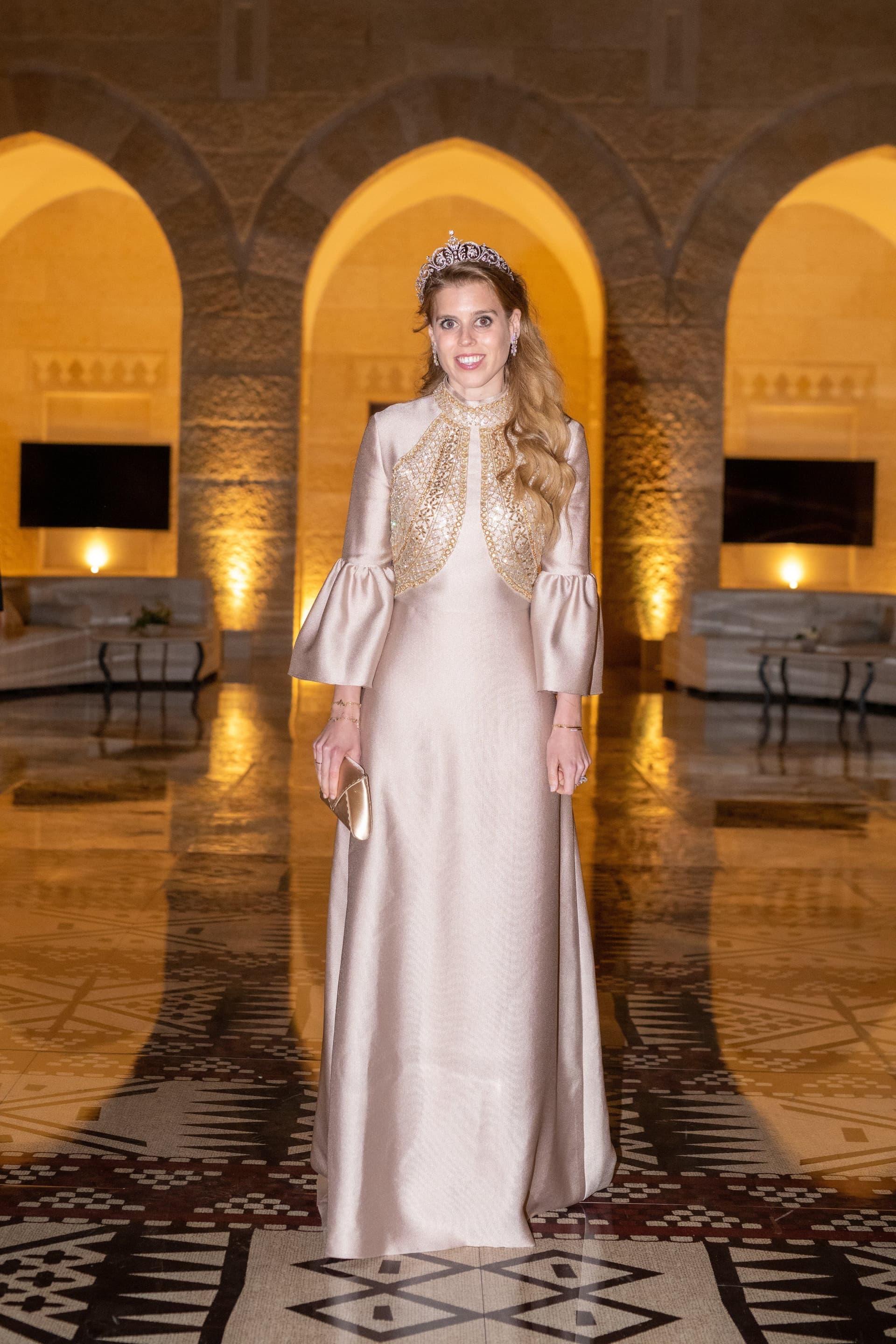
This is the trend petites can wear straight off the runway with the least resistance. Wayman and Micah say the accentuated waist is taking a pause in favor of slinkier silhouettes, and on a smaller frame that usually reads as length rather than bulk. A fluid dress or skirt that skims the midsection creates one uninterrupted column, which makes the body look taller and more vertical.
The proportion trick is simple: keep the waist high, but not cinched to the point of stiffness. Look for a waist seam that sits at or just above your natural waist, then let the fabric fall in a clean line through the hip. Bias cuts, narrow rib knits and softly draped satin are especially strong here because they follow the body without adding horizontal width.
What shortens a petite frame is excess fabric gathered too low on the torso, or a waistline that visually splits the body in the wrong place. If the slinky silhouette is paired with a long jacket, keep the jacket open and cropped close to the hip bone so the eye still moves upward and downward in one motion.
Scarves: keep them narrow and close to the neck
The scarf return is one of the season’s prettiest developments, and it can be exceptionally flattering on petites when it is handled with restraint. Wayman and Micah are specifically pointing to silk scarves at the neck, a detail that creates a polished vertical accent rather than a heavy layer. Worn slim and tucked close, it draws the eye to the face and collarbone instead of surrounding the wearer with too much volume.
The key is scale. A narrow silk tie, a smaller square folded into a slim band, or a scarf knotted low and left to trail in a clean line can elongate the torso. A giant drape, by contrast, can overwhelm the shoulder line and shorten the neck, especially if it is bulky or printed in a crowded pattern.
For petites, think refinement rather than drama. Choose a scarf in the same color family as the blouse or jacket, keep the knot neat, and let the ends hang vertically. The result feels chic and intentional, not fussy.
Military dressing: sharp, not boxy
Military-style jackets and tailoring are expanding again after a resurgence last fall, and this category can either sharpen a petite frame or swamp it. The best versions have structure at the shoulder, but not so much that they widen the body past its natural line. A precise, single-breasted jacket with a defined lapel and a hem that stops near the high hip can give the body a crisp, lengthening frame.
This is where petites need judgment. A long double-breasted coat, heavy epaulettes or a jacket that hangs mid-thigh can visually chop the body into sections. If you want the military mood, keep the coat slightly cropped, the buttons close-set and the hardware disciplined, then balance it with a straight trouser or slim bootcut that keeps the line moving.
Tailoring matters just as much as decoration here. The collection should feel nipped, not armored. On a petite frame, the most flattering military pieces are the ones that suggest authority without adding thickness.
The ’80s comeback: use the attitude, trim the volume
The ’80s return is the least petite-friendly trend if it is copied literally, because bold shoulders can overwhelm faster than almost anything else in fashion. Wayman and Micah tie this comeback to color blocking, skinny pants and denim, all of which can work beautifully if the silhouette is controlled. The trick is to borrow the confidence of the decade without importing its biggest proportions unchanged.
Bold shoulders look best on petites when the rest of the outfit is narrow and clean. A slightly padded blazer over slim pants can work if the jacket is shortened and the shoulder line is tidy, but a boxy oversized blazer with a wide sleeve can make the body disappear. Keep one statement element, not three: if the shoulders are strong, let the trouser be slim and the top simple.
Color blocking can also flatter a smaller frame when the blocks are placed vertically or diagonally. Think of a dark lower half, a brighter upper half and a visible waist, rather than a hard horizontal split across the middle. Denim is the easiest entry point here, especially when it is straight, slim or gently tapered rather than baggy.
Florals: smaller-scale blooms are the petite advantage
Florals remain important, especially in the bold contemporary versions seen at Chloé and Dries Van Noten, but scale is everything. On petites, smaller-scale florals or a print with air between the blooms can lengthen the body because the eye reads the pattern as part of the garment rather than as one giant surface. Dense, oversized florals can be beautiful, but they often need careful editing so they do not flatten the silhouette.
The most flattering placement is usually on one long panel of the body, such as a skirt or column dress, paired with a plain top or jacket. If the print is busy, keep the cut simple and the waist high. A floral with vertical movement, like vines or scattered petals, tends to elongate more effectively than a print that clusters heavily at the hem or shoulder.
For petites, florals should feel like movement, not coverage. That is the difference between a dress that wears you and one that makes you look taller, lighter and more composed.
The larger lesson of the season is that the strongest trends are not the loudest ones. Slinky waists, narrow scarves and disciplined tailoring can flatter a petite frame immediately; bold shoulders, military bulk and oversized florals need proportion control. In 2026, the most modern petite dressing is not about shrinking style, but about making every line earn its place.
This article was produced by Prism’s automated news system from verified source data, official records, and press releases, then run through automated quality and moderation checks before publishing. The system is built and supervised by the people who set the standards it runs under. Read our full AI policy.
Did this article answer your question?