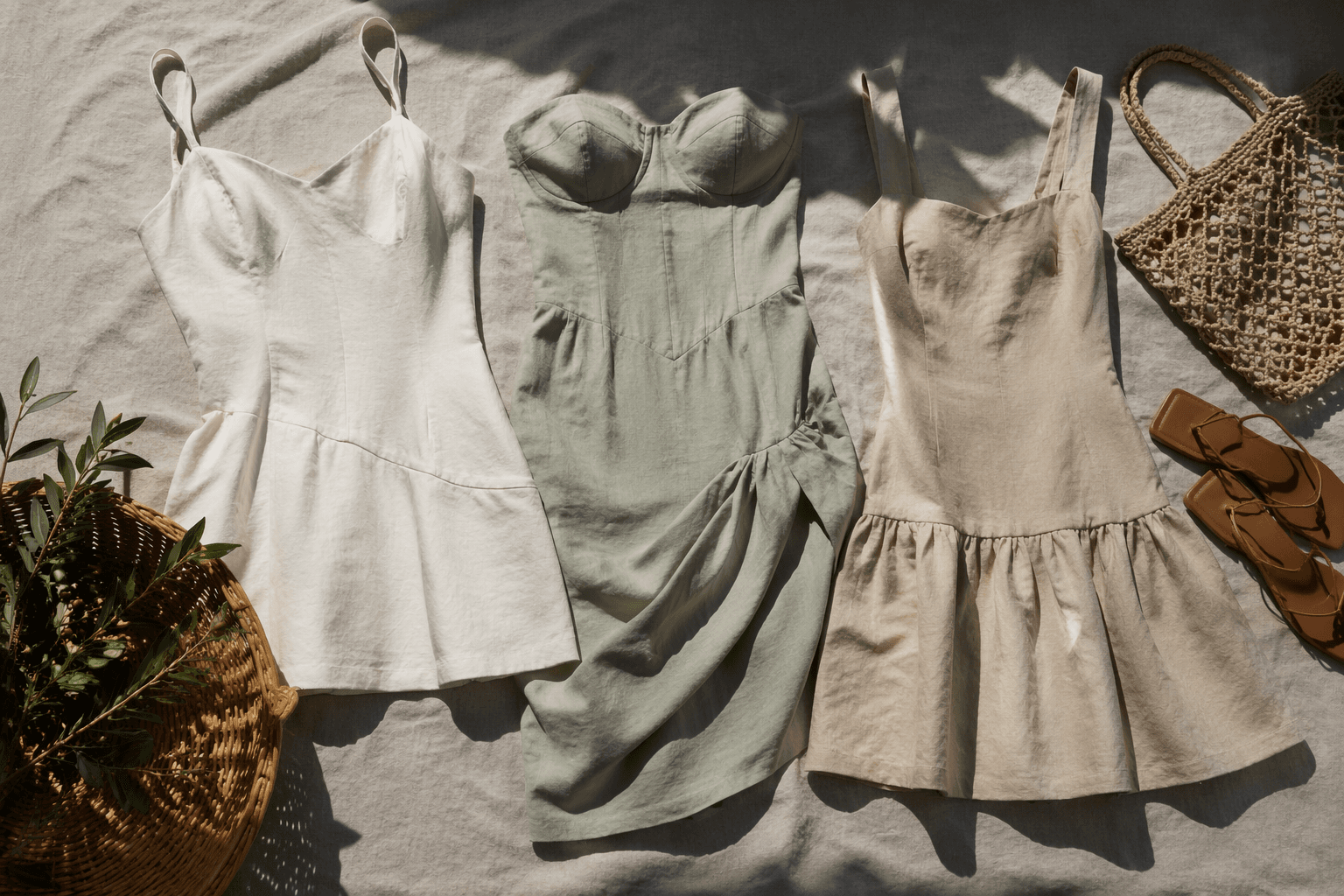
5'1" Editor Picks Petite Dresses That Flatter and Fit Right
A 5'1" editor’s petite dress edit solves the usual traps: dragging hems, dropped waists, and heavy fabric. The best picks start at $15 and are built for proportion, not just size.
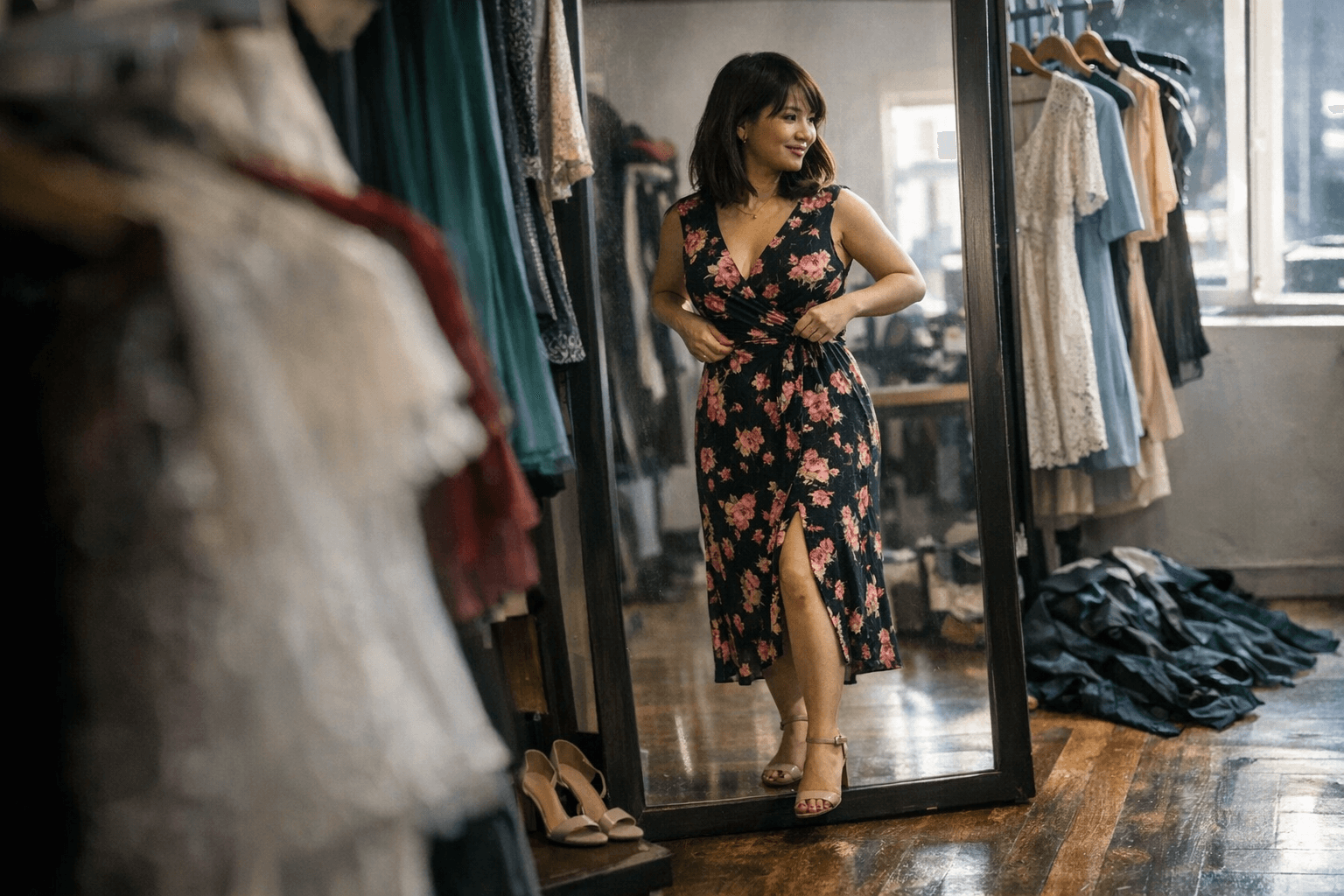
The petite dress problem is rarely about style, it is about proportion
A dress can look polished on a screen and still fail the minute it meets a 5'1" frame: the hem skims too low, the waist sits in the wrong place, and the fabric hangs with more weight than shape. That is why Rachel Roszmann’s Yahoo Shopping edit lands so cleanly, because it is built around the exact frustrations petite shoppers know by heart and starts at $15.
Petite sizing is commonly defined as 5'4" and under, but the point is not smaller clothing in a broad sense. It is better proportioned clothing, with shorter hemlines, adjusted inseams, and torso lengths that stop dresses from reading oversized on a shorter body. The best petite fashion writing keeps returning to that truth because the fit issue is real, persistent, and easy to see the second a dress hits the wrong spot.
Waist definition does the heavy lifting
If one detail can make a petite dress feel custom, it is the waist. A defined waist, whether it comes through seaming, a tie, elastic shaping, or a wrap closure, gives the eye a clear place to land and keeps the silhouette from spreading out across the frame. On a shorter body, that definition is not decorative, it is structural.
Higher waist placement is especially useful because it visually lifts the body and stops the torso from looking compressed. That is why petite style advice keeps coming back to wrap dresses and empire waists: both create shape without demanding a lot of extra fabric, and both can make a dress feel intentional instead of simply scaled down. A 5'1" shopper does not need more volume. She needs a dress that understands where the waist belongs.
Straps and sleeves should adjust to you, not the other way around
Strap adjustability sounds like a small feature until you have worn a dress where the neckline sits too low or the bodice pulls in the wrong place. Adjustable straps can shorten the entire visual line of a dress, which matters when every inch counts, and they help keep a neckline balanced instead of slipping into awkward territory. For petite shoppers, that means less tugging, less pinning, and fewer trips to a tailor.
The same logic applies to sleeves, armholes, and bodices that are cut with proportion in mind. Who What Wear’s petite coverage, written by a 4'11" fashion editor, reflects how recurring this issue is: a petite frame is often swallowed by details that are perfectly fine on a taller body. When a dress is ready to wear right out of the box, that is not a luxury feature. It is the whole point.
Hem placement is where most petite dresses win or lose
Length is the easiest way to make or break a petite dress. Minis and midis are perennial favorites because they stop the eye before the silhouette starts to drag, and they preserve a little space between the hem and the ground that keeps the whole look light. When the hem lands in the right place, a dress feels deliberate. When it lands too low, it looks borrowed.
That is why petite editors keep steering readers toward hemlines that are shortened, lifted, or simply better judged for a smaller frame. The current crop of petite-friendly roundups also leans hard into immediate wearability, which is exactly what makes them practical. Nobody wants a dress that arrives looking chic online and then demands hemming before it can be worn once.
Fabric weight and the bigger petite market tell the same story
Fabric matters as much as cut. Lightweight, drapey material moves with the body instead of sitting on top of it, which keeps a petite frame from disappearing under too much cloth. Heavy, stiff fabric can make even a good silhouette feel boxy, while softer textures give dresses room to skim rather than swamp.
That practical advice sits inside a much bigger market story. An academic paper cited petite clothing as a more than $10 billion category using 2006-era industry data, and retail coverage since then has made clear why brands are paying attention: demand has not gone away, so petite assortments keep expanding. For shoppers, the payoff is immediate. More options, better proportions, fewer returns, and a lot less time spent wondering why a dress that looked effortless online suddenly reads too long, too loose, or too heavy in real life.
This article was produced by Prism’s automated news system from verified source data, official records, and press releases, then run through automated quality and moderation checks before publishing. The system is built and supervised by the people who set the standards it runs under. Read our full AI policy.
Did this article answer your question?