7 polished June outfit ideas that flatter petite proportions
Seven June outfit formulas make petite dressing feel sharper, not fussier: cleaner lines, smarter rises, and one proportion trick in every look.
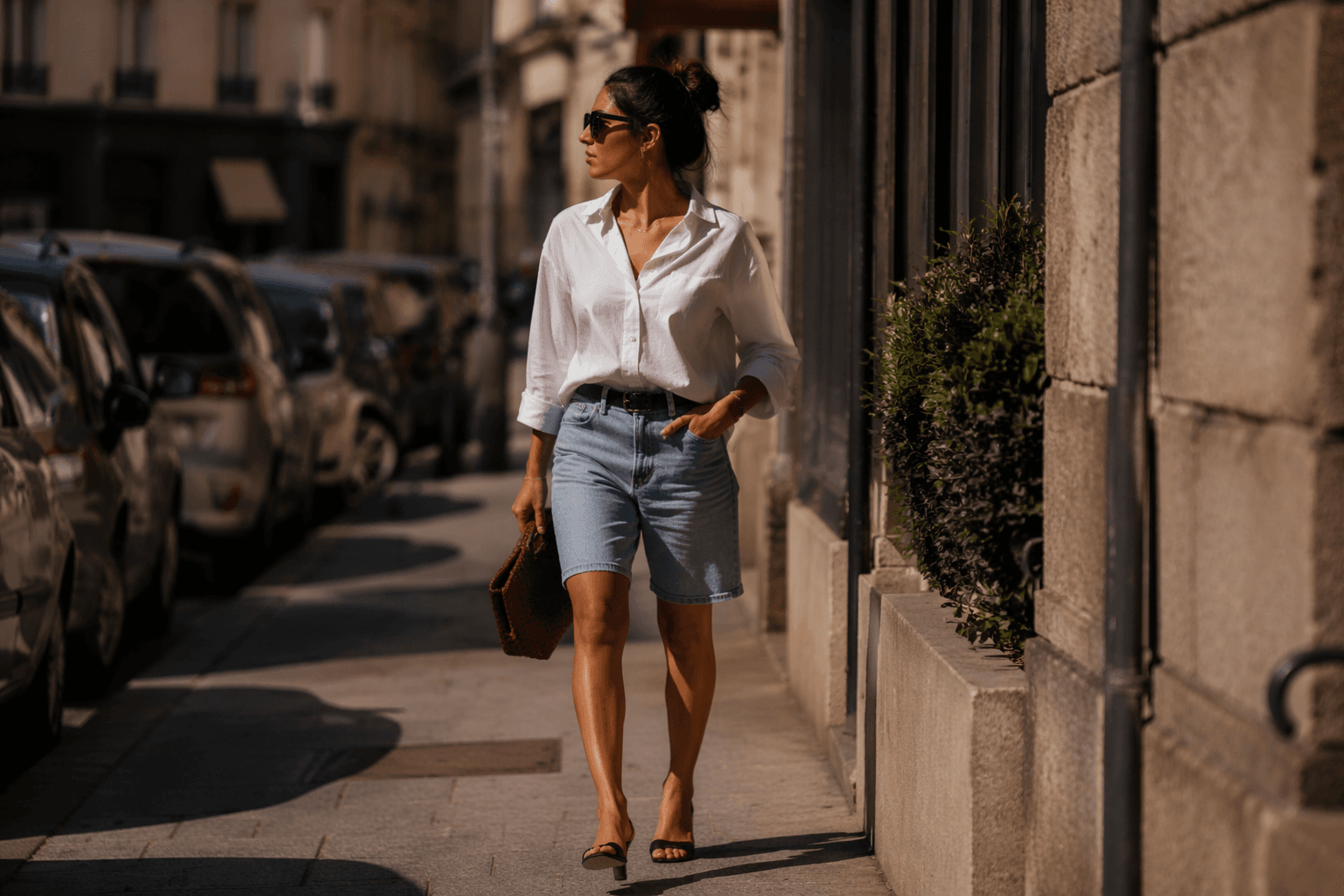
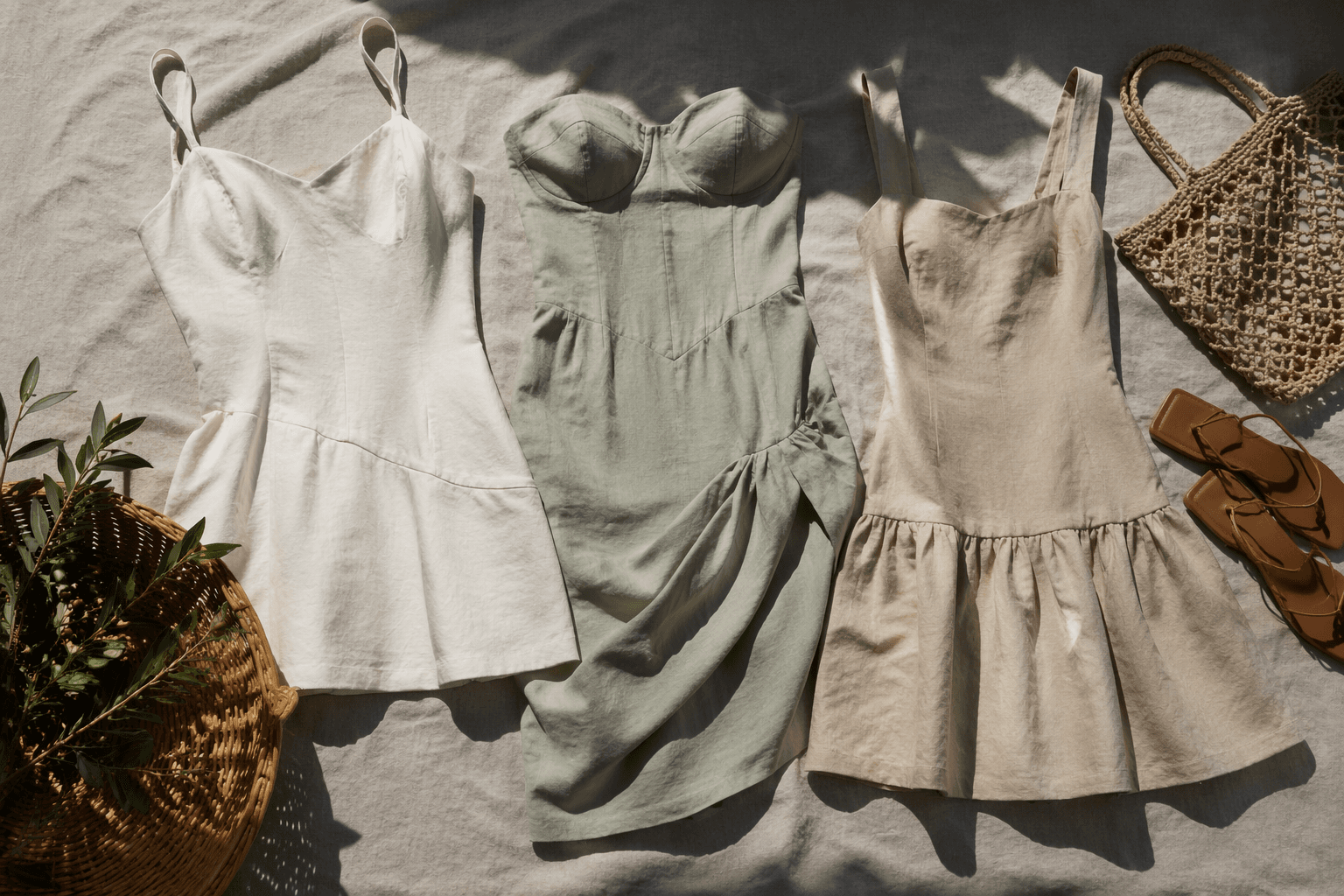
The best June outfits for petites do one thing brilliantly: they keep the line clean. Who What Wear’s June outfit board lands in the same lane as its earlier petite formulas, where a 4'11" fashion editor makes the case that proportion matters more than trend-chasing. When retailers like Macy’s and Anthropologie define petite as about 5'4" and under, they are really talking about adjusted sleeves, inseams, rises, shoulders, and torso lengths, not just shorter hems, and that distinction is the whole game.
Column dressing
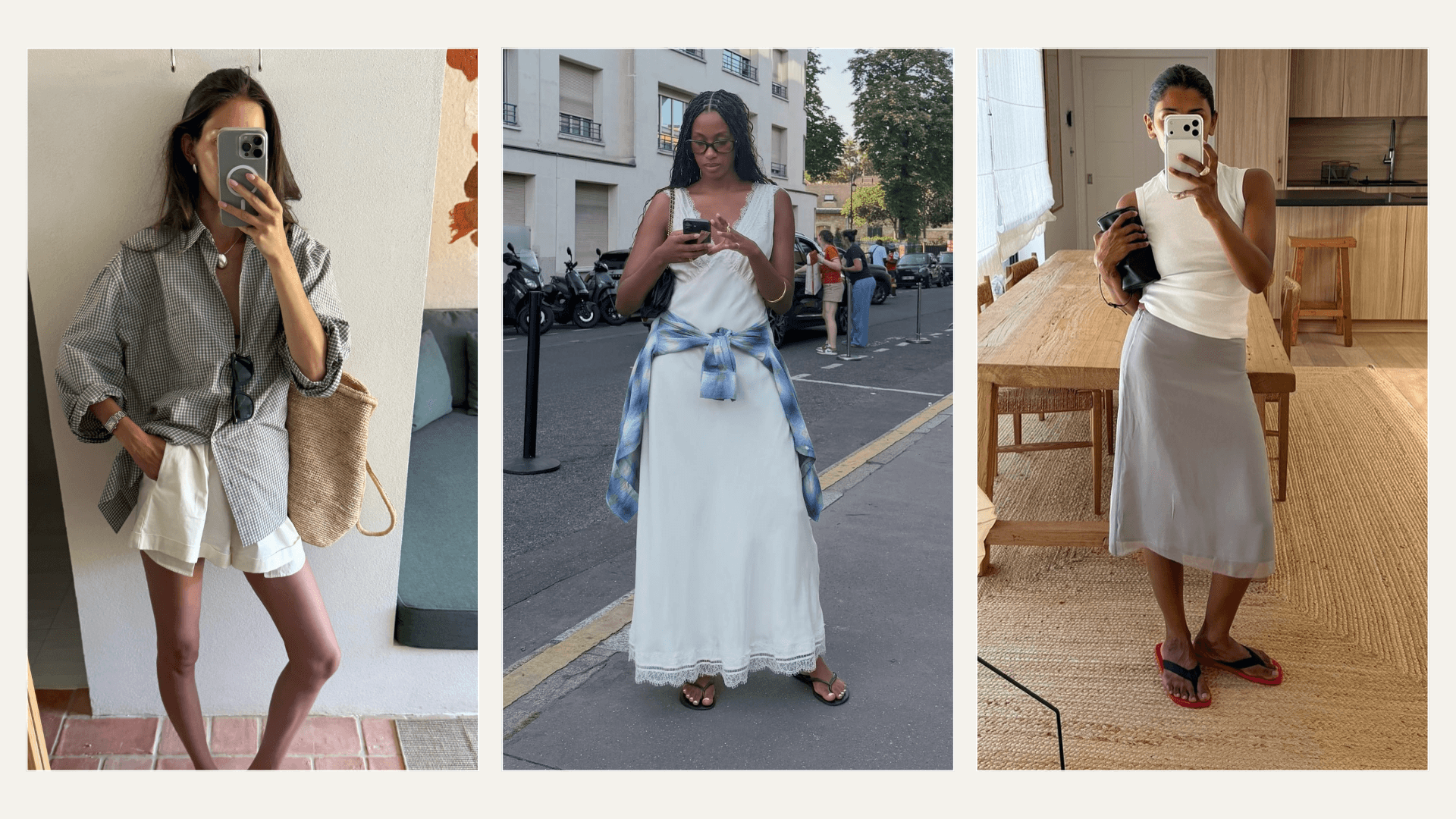
Column dressing is the easiest way to make a petite frame look longer without trying to perform contortions around it. A top and bottom in the same color family create one vertical read, which is why the earlier petite guidance from Who What Wear argues so strongly for single-color dressing and a continuous line. On a June day, that can be as simple as a sleeveless knit with matching trousers or a tank and skirt in the same soft neutral, because the eye keeps moving instead of getting stuck on every break in the outfit.
Visible ankle
Visible ankle sounds small, but it is the kind of small that changes everything. A hem that lands just above the ankle bone keeps the leg from disappearing into fabric, which is especially useful when denim and dresses remain two of the most persistent fit pain points in womenswear. For petites, this is the difference between looking cropped on purpose and looking like the clothes ran out before the body did.
Waist placement
Waist placement is where a lot of outfits either start flattering or start fighting you. When a skirt, trouser, or dress sits at the natural waist, it gives the eye a clear midpoint and leaves more leg below it, which creates shape without adding bulk. That matters in summer, when a tucked tee or a slim blouse can look sharp and easy at the same time, while a dropped waist or an overly long top can pull the whole outfit downward.
Low-bulk layering
Low-bulk layering is the petite answer to unpredictable air-conditioning and too-bright sun. A light overshirt, an unlined blazer, or a thin cardigan keeps the outfit polished without drowning it in fabric, and that restraint matters because petite frames can disappear fast under heavy, boxy layers. The best version of this idea is all about keeping the shoulder line neat, the sleeves controlled, and the overall shape close enough to the body to still read as deliberate.
Single-color dressing
If you want one shortcut that never feels fussy, go single-color from head to toe. Who What Wear’s petite roundup makes the case cleanly: one color creates one continuous line, and that visual trick gives the illusion of added height while making the whole outfit feel more composed. In June, that could mean cream with cream, navy with navy, or black with black, and the effect is especially strong when the fabric mix stays simple, like cotton, linen, or a smooth knit.
Precise proportions at the shoulders and rise
Petite dressing is not only about shorter hems, it is about where clothes hit the body. Macy’s and Anthropologie both frame petite as a proportion problem, with adjusted rise, shoulder width, torso length, inseam, and sleeve length doing as much work as the size tag itself. That is why a trouser that sits correctly at the waist or a blazer that does not overwhelm the shoulders can make a petite outfit look expensive in a way that standard sizing often misses.
Fit-first denim and dresses
The reason these June formulas feel so useful is that fit frustration is still everywhere in the shopping experience. WWD has been talking about petite women falling short on clothing options for years, and more recent industry reporting keeps pointing to sizing and fit as major drivers of returns, especially in jeans and dresses. So when a petite outfit looks simple, that is the point: the simplicity is what lets the body read clearly, the proportions stay clean, and the clothes look like they were chosen for the frame instead of forcing the frame to adapt to them.
This article was produced by Prism’s automated news system from verified source data, official records, and press releases, then run through automated quality and moderation checks before publishing. The system is built and supervised by the people who set the standards it runs under. Read our full AI policy.
Did this article answer your question?